
Efficacy of Indigenous Knowledge and Selected Modified Storage Structures to Insect Pests of Maize during Home Storage: A Review
Maize (Zea mays L) is an important food crop in Ethiopia and is produced in a number of agro ecologies in the region. Despite the favorable environmental conditions for its production, maize is infected by several insect pests before and after harvest, due to poor pre- and post-harvest practices/handling. Farmers store the produce for two reasons; for home consumption and marketing. They may not accept improvements which incur costs when storing primarily for home consumption. Thus, this review will assess the use of indigenous knowledge and modified storage structures to store maize by controlling postharvest insect pests. The use of indigenous knowledge has been seen by many as an alternative way of promoting development in poor rural communities in many parts of the world. Most developing countries are in the tropics, often in areas of high rainfall and humidity. These conditions are ideal for the development of micro-organisms and insects which cause high levels of deterioration of crops in store. Food losses during storage are the result of biological, chemical or physical damage. In earlier times various indigenous items and methods were used for storage of household items including food items, clothing and bedding etc. The shelf life or storage span of items was increased using readily available and low cost items like mineral substances (ash, sand, table salt, camphor, and inert dust) and other different plant materials and they are the common methods adopted by majority of the rural farmers for storing the grains although majority of them are not aware of the reasons or qualities of these materials and are using them as age old wisdom. Modified storage structures such as hermetic storage, bamboo mat with mud plastering, jute bag with inner plastic lining, metal bins and others are another technique adopted by farmers for maize storage. So it can be concluded that many of the indigenous practices find credibility even in today’s period. Moreover, their user-friendly approach, local availability associated with scientific reasoning provides enjoyment and satisfaction to the users. It must therefore be encouraged to use only those eco-friendly practices that are known to be both safe and effective. These practices must be modified to make them more efficient for further transfer to the end users in the future.
Introduction
Maize (Zea mays L.) is one of the four major food crops of the world and in terms of production; it has the first position in production level in the world [1, 2]. It is the most important cereal food crop in sub-Saharan Africa (SSA), particularly in eastern and southern Africa accounting for 53% of the total area covered by cereals [3] and 30-70% of the total caloric consumption [4]. In Ethiopia, maize is the staple food and one of the main sources of calories particularly in the major maize producing regions of the country [5]. It also serves as raw materials for many finished products. It ranks first in total production and yield per hectare, and next to tef in area coverage being grown across varied agro-ecological zones of the country [6]. It is a major food for most households and the main source of income and employment for the majority of rural households. Food security and welfare of the farming population are dependent on the productive capacity of maize farmers [7]. The importance of appropriate and readily available post-harvest storage practices for agricultural crops cannot be overemphasized in any development plan for increased food production and enhancement of food security. Adequate storage of farm produce remains paramount for preservation of farm produce for future consumption. A lot of mature, ready-to-harvest and harvested crops, especially maize are lost to spoilage, contamination, mould and pests in the field and on storage.
Damage of stored food grains is very serious problem in our country and throughout the globe and the overall damage caused by insect pests, worldwide is estimated to be 10- 40% annually. Due to lack of proper ware housing facilities, stored grain insects largely damage food grains in stores as well as during shipping and transportation. The infestation is carried to the storehouses from the infested field crops with the food grains and spread rapidly. Further, damage is supported by environmental factors such as humidity, temperature and light. For better protection appropriate methods for disinfecting the food grains are required. Farmers, through a long history of battle against stored product pests, have learnt to exploit natural resources, or to implement accessible methods, that would lead to a degree of population suppression of pests. Traditional methods usually provide cheap and feasible ways of post-harvest handling of the crops, but they have many limitations. Basically, farmers should be fairly aware about hygienic practices which are essential for successful storing i.e. thorough cleaning of bins or granaries, avoidance of mixing infested grains with healthy ones, burning crop residues after-harvesting, sealing cracks and holes in muddy structures and another practices that ensure storage of food grains in a clean and uncontaminated environment. The use of pesticides for control of pests is effective but not economical [8]. Apart from not being economical, pesticides tend to have severe side effects on the environment [9]. Collinson [10] stated that there is urgent need for intensified efforts to be geared towards provision of adequate and efficient improved storage facilities in order to avoid wastage of farm produce.
The devastating loss of stored products to insect attack has therefore necessitated the use of various measures such as chemical control against maize weevils. However, the use of insecticide for the control of stored product insect pests is of global concern with respect to environmental hazards, development of resistance, chemical residues in food, side effects on non-target organisms and the associated cost [9]. The use of plant products against pest damage is a common practice in traditional farm storage systems in most developing countries including Ethiopia [11]. Pepper fruit (D. tripetala) and ginger (Z. officinale) are spices that are used in spicing soup, meat and mixed with other herbs in traditional African medicine and its insecticidal potential has been reported Ishii T [12].
During storage, some traditional materials are also added to the product, which contribute to the reduction of pests’ activity [13]. Different mineral substances and plant parts are added in variable amounts into the stored product. Friction of dust particles with insect’s cuticle leads to desiccation and hampers the development of the pest [14]. Pre-treatment of Vigna radiata seeds with inert clay resulted in 100% adult mortality of Callosobruchus chinensis within 24hr [11]. It provides effective protection up to 12 months of storage under ambient conditions [11]. Maize farmers are using certain local methods and techniques such as storing over fire in the kitchen, use of earthen pots, gourds, storing on the floor, and use of cribs, use of different plant materials and other substances in storing maize to be used for future consumption.
The objective of this review is to gather and document available information regarding different indigenous knowledge of maize home storage against insect pests and recommend effective storage method that could minimalize maize loss during entire storage. The review also focuses on modern maize storage management practices that could be effective in storage pest control.
Literature Review
Major Insect Pests of Stored Maize
Several cereal crops are grown in Ethiopia and maize is among the most important cereals. However, their yields are very low partly due to pest attack and partly due to other constraints of production. Loss and deterioration of available food resources in storage further add to the problem. Grain produced should be stored to meet home consumption and for sale. About 80% of all grain produced is estimated to be stored at farm or village level. Heavy losses are inflicted to grain in storage. Insects, micro-organisms and vertebrates (birds and rodents) are the major agents causing loss to food grain in storage; insects being the principal pests. The extent of losses depend on crop variety, length of storage, year, pest(s), type and sanitation of storage structure, pre-storage handling of the produce and so on More than 40 species of arthropods have been recorded on stored maize and other cereals in Ethiopia [15, 16, 17].
Among these only a few are of major importance (Table 1). Some of these insects are primary pests attacking sound grain while insects in the family tenebrionidae, pyralidae, cucujidae and nitiduldae are secondary pests attacking grain already damaged by primary pests. By boring within the kernels and feeding on the surfaces insects remove food material (sometimes selecting highly nutritive fractions), and encourage both higher moisture in the grain and the development of micro-organisms. Infestations start in the field and continue in the store. All cereals except tef (Eragrostis tef) are attacked by these pests. Tef is a resistant cereal to insect infestations probably due to its small seed size; although the red flour beetle was reported to be able to multiply effectively on Tef [18].
| Scientific Name | Common Name | |
|---|---|---|
| Bostrychidae | Rhizopertha dominica (F) | Lesser grain borer |
| Cucujidae | Cryptolestes spp. | Flat grain beetles |
| Curculionidae | Sitophilus zeamais Motsch. | Maize weevil |
| Curculionidae | Sitophilus oryzae (L.) | Rice weevil |
| Nitidulidae | Carpophilus spp. | Sap beetles |
| Pyralidae | Ephestia cautella (Walker) | Warehouse moth |
| Pyralidae | Plodia interpunctella (Hub.) | Indian meal moth |
| Tenebrionidae | Tribolium castaneum (Herbst) | Red flour beetle |
| Tenebrionidae | Tribolium confusum J. du Val | Confused flour beetle |
| Gelechiidae | Sitotroga cerealella (Oliv.) | Angoumois grain moth |
Table 1: Major Insect Pests Recorded on Stored Maize in Ethiopia.
Source: [15, 16, 17, 18] Table 1: Major Insect Pests Recorded on Stored Maize in Ethiopia.
Indigenous knowledge and its role in grain storage
Indigenous Knowledge refers to the local knowledge by indigenous people that is unique to a given culture or society. It forms the basis on which local decisions on fields such as agriculture, education, health, natural resources management and others are made. Such people depend on specific skills and knowledge that have been influenced by internal creativity and experimentation for their livelihoods over a long period of time [19]. While such knowledge is of value to the owners and to the world economy as it forms part of the global knowledge. A major distinguishing characteristic of indigenous knowledge is that it is intergenerational. It is handed over from one generation to the next. Those who hold the knowledge hold it as it were in trust for future generations. It has been preserved, transferred, adopted and adapted in many situations as development process interacts with it (World Bank Website). Indigenous knowledge has gained prominence of late as people realize the role it has played over time in preservation of biodiversity. Mayet [20] describes traditional knowledge as any knowledge, innovation, or individual or collective practice of an indigenous population or local community, having real or potential value, associated with a biological resource, protected or not by intellectual property legislation.
The use of indigenous knowledge has been seen by many as an alternative way of promoting development in poor rural communities in many parts of the world. In Africa, the bulk of grain is produced by small scale farmers [21]. Food security of these farmers, and especially in famine prone countries, depends on their success to grow and store their staple food that they need for their families, with a minimum loss of quantity and quality, using an effective method that they can afford. They must be able to keep the stored produce until the next successful harvest, and this might be more than a year, in the case of a crop failure. Even in developing countries which have central storage facilities, farmers in peripheral regions find it difficult to procure the needed grains in times of famine, unless they can rely on their own food stores. Besides obvious economic considerations, African farmers are strongly influenced by socio-cultural factors like the norms of their ethnic group.
The high costs and the erratic supply of chemical pesticides in developing countries have stimulated a renewed interest in traditional botanical pest control agents [22]. Their potential was largely ignored, in the past. Thus, FAO’s latest summary of grain storage techniques in developing countries does not even mention these indigenous methods, probably because their efficacy has still to be experimentally demonstrated. In Ethiopia, Abraham T [23] mentioned Datura stramonium, Phytolacca dodecandra, Tagetes minuta and Weinia longiflora as plants with pesticidal effects, which are used by farmers to protect stored grains. Firdissa E [24] added chilli pepper (Capsicum sp.) and Croton macrostachyus to the list of local plants used to protect grains in on-farm storage. However, our knowledge on farmer’s attitudes towards these plants is still minimal. As to physical protection measures, polyethylene lining of underground pits was recommended already by Fentahun M [25] and again by Boxall R [26].
Indigenous Storage Practices to control Maize Insect Pest
Pest control involves any measure deliberately initiated by man to prevent, reduce or eliminate the harm caused by pest animals. Any action that kills, or prevents the increase or distribution of pest organisms is considered as pest control. Although some control measures are accomplished in nature by natural factors including predatory, parasitic or disease causing organisms, several applied measures are commonly practiced to control insects or other pests. These measures include cultural, physical, biological, chemical, pheromones, varietal resistance, and use of botanical control methods.
Cultural Control
Cultural methods of pest control may entail both before harvesting and after harvesting to the stored produce. Cultural preventive measures before harvest includes; crop rotation and mixed cropping, selection of less susceptible cereal, choice of the time of harvesting (prompt harvesting), and for storage selection of store location, build suitable storage structure, provide shade by means of wide eaves or shading trees, allow ventilation, storing bags on pallets, maintain space of 1 m around all bag stacks and prevention of pest introduction by checking for infestation before storing.
Crop Rotation
Planting different types of crops in fields each year will reduce the problem of grain stores being infested by insects flying in from the fields [26]. For example, after a crop of maize is harvested it could be followed by a crop of beans or cassava. Generally, of course, farmers growing a food staple do not have sufficient land to rotate crops in this way. As an alternative, they might try to intercrop or crop mix, so that maize is planted with beans one year and, perhaps, sweet potatoes the following year.
Early Harvesting
The risk of storage insects attacking the crop in the field can be reduced by harvesting as early as possible after the crop has matured.
Selection of Pest Resistant Varieties
Local or traditional varieties of cereals and pulses are usually more resistant to insect attack than new high- yielding ones. Local varieties may be stored for long periods while the high yielding varieties may be sold earlier to avoid heavy insect damage. Experience will show which of the new varieties have some resistance to pest attack and these can be chosen for longer-term storage. Maize cobs with good husk cover (thick, long and tight fitting husk) will suffer less insect damage [26]. If maize is stored on the cob, selecting cobs with good husk cover at storage will help to reduce insect damage. However, cobs with the husk intact will take longer to dry than those without husks. This may be of no concern where harvest is followed by long periods of hot, dry weather but otherwise it could result in mould problems. Thick husks, such as those of groundnuts and rice, generally give good protection against insect attack and these crops should be stored on farms with the husks intact. In crops such as sorghum and millet the husk provides no protection and other measures are needed to prevent insect damage.
Physical control
Storing by Threshing/shelling: Shelled/threshed maize was found to be less damaged by the Angoumois grain moth larvae than dehusked maize stored on the cob [16, 18, 27]. Most farmers (61%) in the Bako area stored their maize shelled [18]. Cobs with complete husk cover were well protected from insect damage [27]. Some farmers tie husks at the tip of cobs together in such a way that the cob is covered completely.
Heating the Infested Seed
High temperature due to direct solar radiation may kill the developing larvae in the seed. Black polyethylene bags enveloped with another transparent polyethylene sheets killed a higher proportion (90.5%) of weevils as compared to the check (sisal sack = 30%) after 24 hr exposure to the sun [25]. All eggs and adult weevils were killed when infested grain was heated at 60°C for 2 hr. and at 70°C and 80°C for 1 hr. (at initial moisture contents of 13 and 16% respectively); larvae were killed only at 70 and 80°C [26]. High density black polyethylene sheet collected the highest solar heat (63°C) and caused 100% mortality in the maize weevil after 3½ hr. of exposure to the sun [28]. However, temperature, time and depth of grain layering for effective disinfestations are to be determined before recommendation for practical use.
Smoking
Farmers suspend a bunch of maize cobs in smoke over fire and such stored maize was less damaged [16, 27]. The smoke and heat from the fire may kill insects or drive them out of the grain, retards their development and prevents re- infestation by migrating insects, because of drying of the harvested product is accelerated. The stored ears rapidly reduce their moisture content to 8-10%. The method is not always effective; in particular the larger grain borer will not be killed.
Addition of Substances to the Stored Maize
To limit subsequent infestation of stored grain by insects, farmers may add materials with insecticidal properties to the grain. These materials can be of local origin, such as plants or inert dusts. A wide range of plant materials have been used with some success in insect control. The efficacy of plant materials is highly variable even within plant species, depending on variety, season, soil types, and the way that the plant material is used (whole dried products, powders, extracts [29].
Admixture of Mineral Substances
There are different materials which can be added to the stored produce. The most frequently used types of mineral substances are: table salt, wood ashes, fine sands and clays and inert dusts (DE). The inert dusts include material such as ash from maize cob cores, paddy husk, sand, or clay that can be admixed with grain to provide a barrier to insect entry [30]. Once the storage vessel has been filled with ash, a further 3-cm layer of ash is added to the top to provide a barrier to pest entry. In the case of ash, there may be a problem with tainting and discoloration, and all these types of admixture are inconvenient in that they require cleaning of grain [30].
Storage of Maize By Common Salt
Common table salt can be used to store maize for a period of 6-8 months. In this practice about 200 gm. of salt is mixed manually in one kg of maize. Due to this practice, insects were kept away from the stored grains. As salt had abrasive action on skin of insects thereby preventing their movement inside the storage containers and as a result their growth in the storage box was inhibited. This practice was perceived to be moderately effective and affordable in cost. Fekadu G [31] also reported that farmers used common ingredient, table salt, in red gram grains for storage in their house. Salt has hygroscopic and insecticidal property which helps in keeping the grain dry by absorbing the moisture thus avoiding spoilage and hence aid in safe storage.
Admixture with Wood Ash
Indigenously, grains are stored in earthen pots. For safe storage of grains, grains are filled in earthen pots to its ¾ volume and rest 1/4 volumes being filled by wood or cow- dung ash. By doing so, farmers felt that wide range of storage pests like maize weevil and fig moth could be controlled for 6-8 months [32]. If grains are too stored for a longer period, then after 6 months the grains and pots are sun-dried and again filled with fresh ash. The scientific basis of using ash is that ash contains silica which along with being harmful to insects is also harmful to insect pests.
Admixing with fine sands and clays
The mixing of fine sands with threshed grains that are well dried is a popular traditional method of insect control. However, to be effective, large quantities (20 percent or more by volume) should be added to grain, which should then be shaken or stirred to ensure good mixing. Paddy husk can be used at 5 to 10 percent by volume because its silica content increases its effectiveness [33]. The ashes and sand form a layer over the surface of the grains, which prevents insect attack. They also fill the spaces between grains and act as a physical barrier preventing insect movement and reproduction [33]. Before the grain is used the ash or dust must be removed by sieving, winnowing or washing.
The protection of stored grain with inert substances such as wood ash and sand is a time honored universal practice that is still in use for preserving seeds. Free movement of the adults for oviposition is prevented by the substance such as ash filling the inter-granular spaces. Girma D [34] compared wood ash, sand, tobacco dust, saw dust, neem seed powder and pirimiphos-methyl in the laboratory at Awassa (southern Ethiopia) and reported that tobacco dust was superior to all treatments in terms of damage caused by the Angoumois grain moth larvae and seed germination; followed by their mixtures. However, treatment with tobacco dust left undesirable taste on the grain [25] [17].
Admixing with inert dusts
Diatomaceous earth (DE), which is a fine powder composed by diatomaceous algae carapaces, represents one of the most efficient types of inert dusts and has been used for insect control around the world [35, 36]. According to Mital S [37], Arthur FH [38], the interest on this technique has increased because the number of active ingredients for insect control in grains is restricted to four or five products, mainly due to insect resistance problems. They are composed of very fine particles of aluminum silicate, which are obtained from naturally occurring diatoms, derived from riverbeds or the sea. They work by absorbing the wax from the insect’s body, causing water loss, then desiccation and death [39]. Unlike sand and ashes, DEs only need to be applied in small quantities, up to 0.2 percent by weight. DE is not toxic to humans, domestic animals, and environment and does not leave toxic residues in the grain and by products.
Admixture With Substances of Plant Origin
People have known about the insecticidal properties of certain plant species for millennia. Analysis of grain stored in Oriental (3000-30 BC), Greek (2000-200 BC), and Roman antiquity (500 BC – AD 476) has shown that various plants were used to protect stored food against insect damage [40]. Botanicals were widely used in agriculture until the arrival of synthetic organochlorines such as DDT during 1940 [41]. About 2000 species of plants have been known to have various properties against pests. Several types of plants are reported to be effective against stored product pests. Although promising results have often been achieved in laboratory tests with plant materials (botanicals), the effectivity under practical storage conditions varies a lot. Some provide satisfactory protection of the stored product when they are applied properly. Leaves, fruits, seeds, barks or roots used as dried powders and also in liquid form/ vegetable oil. This traditional method of grain protection is to mix dried or fresh parts of plants with grains before storage. Leaves are added more frequently but roots and seeds may also be used. Leaves may be steeped in water to produce a dipping solution or spray. They may be dried and powdered and simply mixed with the grain, or they may be added fresh to sacks of grain. Roots and seeds are usually first dried then powdered before use. Numerous plants are used in this way, the most common being Azadirachta indica(neem), pepper tree (Schinus molle L.), Calpurnia Aurea(cheka), Euphorbia Tirucalli(kinchib), endod (Phytolacca dodecandra L), Persian lilac/Chinacerry (Melia azedarach), pyrethrum (Chrysanthemum cinerariaefolium), Mexican tea (Chenopodium abrosoides), thorn apple (Datura strmonium), Eucalyptus globulus, endod (Phytolacca dodecandra), Tagetes minuta, Lantana (Lantana camara), etc. are reported to be effective against stored cereal grains and grain legumes pests [17, 41, 42].
Test with neem seed powder showed a promising potential of the material in controlling weevils on stored maize. Application of neem and chenopodium seed powder at 1% w/w on shelled maize in the laboratory caused significantly higher mortality and low emergence of maize weevil progeny at Bako [23]. Chenopodium ambrosioides was comparable to pirimiphos-methyl in protecting maize from Sitophilus zeamais [43]. Endod-type 44 (Phytolacca dodecandra) dry seed powder caused 61-93% mortality and low number of progeny emergence in maize weevil when compared to the untreated check [44]. In general, botanicals used as dried powders/fresh and in liquid form/vegetable oil.
Admixture With Botanical Powders
Several research centers screened effective botanicals for the control of the maize weevil, S. zeamais. Among the botanicals, Chenopodium performed very well and resulted in high percent adult mortality, reduced progeny emergence and low percent grain damage [45]. Mekuria T [22] found that Chenopodium umbrosiodes L. applied at the rate of 2% and 4% w/w powder is very effective against the maize weevil. Other botanicals that gave good control included Croton macrostachyus, Ricinus communis, Datura stramonium, Capsicum frutescens and Azadirchata indica. At the rate of 10% w/w these treatments gave comparable results to the standard insecticide, primiphos-methyl both in the free or no choice test [46]. Similarly, treatment of maize grain with dry seed powder of endod caused high level of mortality (61-93%) and a lower level of progeny emergence of maize weevil [47]. Botanicals such as Chenopodium, neem, datura seed, pepper tree, endod, and inert materials like wood-ash could be used for management of weevils [45]. However, recommendation of botanicals for protection of grain for human consumption requires further residual analysis tests and determination of side effects on human beings [46]. Bamaiyi LJ [48] reported that C. ambrosoides leaf powder at higher rate (15 g/150 g) application to haricot bean weevil’s resulted in 100% mortality of bean weevil. Ishii T [12] reported weak attractant effect of C. ambrosoides against rice weevil. The current findings are in agreement with the previous works, but because of the very much reduced dosage used, suggesting that the efficacy of botanical powders (C. ambrosoides) could serve as alternative maize weevil controlling material especially when applied at a higher rate. The botanical powders and cooking oils had insecticidal properties which are broad, variable and dependent on different factors like dosage, the presence of bioactive chemicals which need to be identified, isolated and manufactured in the factory for insect pest management. The presence of insecticidal properties that is used as a fumigant in storage insect pest management in different botanicals has been reported Mulungu LS [49]. The plant powders may act as fumigant, repellent, stomach poison and physical barrier against various insects [40, 50].
The germination test demonstrated that the plant materials tested against S. zeamais did not show any visible adverse effects on germination capacity of the grains. In contrary to the current findings, study conducted by Dejen A [51] pointed out that C. citratus oil treatment reduced the germination capacity of rice paddy as compared to the control. Fekadu G [52] showed that powders of D. stramonium, J. curcas, P. dodecondra and A. indica used in the control of S. zeamais did not show any significant effect on the germination capacity of sorghum.
| Mortality (%) | Hole number/10 seeds | Weight loss % | Germination % | |
|---|---|---|---|---|
| Control | 25 | 2.1(1.6)a* | 4.6 (2.1)a* | 86.5 (9.8)c* |
| Malathion dust | 100 | 0.0 (0.7)f | 0 (0.7)f | 95.5 (10.3)a |
| A.indica leaf | 70 | 1.1(1.3)cd | 0.8 (1.7)bc | 90.1 (10)bc |
| C.citratus leaf | 55 | 1.8 (1.5)a | 0.8 (1.5)abc | 90.1 (10)bc |
| T.eracta leaf | 70 | 1.1(1.3)cd | 0.4 (1.3)de | 90.1 (10)bc |
| A.sativum stem | 50 | 1.1(1.3)cd | 1.2 (1.8)abc | 88.3 (9.9)c |
| M.lanceolata seed | 55 | 1.1(1.3)cd | 1.2 (1.9)ab | 90.1 (10)bc |
| C.ambrosoid leaf | 70 | 0.3 (0.9)e | 0.4(1.2)e | 91 (10.1)a |
| CV (%) | 6.64 | 12.57 | 0.48 |
Table 2: Grain Holes, Weight Loss and Germination Percentage of Maize Grains Infested With _S. Zeamais_ as Influenced By Diffe
Means with the same letters within the columns are not significantly different (P>0.05) Source: [53]. Table 2: Grain Holes, Weight Loss and Germination Percentage of Maize Grains Infested With S. Zeamais as Influenced By Different Botanical Powders.
From the table above, among the botanicals used C. ambrosoid, Tagetus erecta, A. indica leaf and bark powder registered higher adult mortality (70%) followed by A. indica kernel (65%), Cybopogan citratus, Maesa lanceolata and Allium sativum (50%). Greater adult weevils mortality due to the application of the botanicals was observed as the exposure time of the pest to the treatment increased. As exposure time proceeds, there was a progressive increase in the toxicity of the botanicals to the test insect registering appreciable mortality of S. zeamais.
Percentage grains weight loss was highest from untreated check (4.6%) followed by grains treated with A. indica bark, A. sativum stem and M. lanceolata seed powder each with 1.2% weight loss. Germination percentage of the grains ranged from 86.5% to 95.5% in the untreated and Malathion treatedjars, respectively. The effect of the botanicals in powder form on the viability/germination rate of the treated grains indicated that none of the plant powders mixed with the grains adversely affected the germination of the maize grains compared to the untreated control.
Admixture with Botanical Oils
These are added in small quantities to the commodity and mixed thoroughly. They are especially useful for the protection of stored grain legumes against pulse beetles (bruchids). Oils are active against eggs and larvae and disable females to oviposit. The protection effect is generally satisfactory particularly if the grain is still uninfested at time of treatment. Oils of groundnut, coconut, palm, sesame, neem kernel, Niger seed (noug), maize, etc. have been reported to be effective.
Mohammed Dawd [29] found that both cotton and Ethiopian mustard seed oils caused, respectively, 100 and 95% mortality of S. zeamais with corresponding median lethal time of less than 1 day. In an effort to fine tune the use of these oils at lower dosages of 0.2 to 0.4 ml/250 g of maize grain were tested in addition to the dosage of 0.5 ml/250 g previously tested. The results of the test, using such variables as median lethal time, progeny emergence, seed hole number, weight loss and percentage germination, indicate that the dosage of 0.4 ml/250 g (1.6 ml/kg) is statistically comparable with the slightly higher dosage of 0.5 ml/250 g (2 ml/kg). These levels of treatment correspond respectively to 0.16 and 0.20% (v/w) of the oils. Odeyemi OO [54] obtained 100% mortality of maize weevil with a much higher dosage of 4.0% (w/w) cooking oil. The levels of oil found effective against the weevil in the present study likewise is compared favorably with a dosage of 0.7 ml Cymbopogon citratus essential oil per 50 g maize, equivalent to 1.4% (v/w), used by Ahn YJ [55] against S. zeamais. Essential oils are highly volatile and do pose fumigant activity leading to stored-product insects mortality [56]. These authors tested essential oils obtained from savory, oregano and myrtle and with varying degree of toxicity oils from the three plants have showed insecticidal activity against three species of adult insects namely: Ephestia kuehniella, Plodia interpunctella and Acanthoscelides obtectus.
The two cooking oils, Gossypium hirsutum and Brassica carinata exhibited toxicity to adult weevils, inhibition of progeny emergency and as a result no damage to the grains throughout the storage period similar to the standard chemical. The toxicity of these cooking oils may be due to their active components responsible for the insecticidal properties against the insect pests including weevils. Oils are known to have toxic effects on insects involving their spiracular system [31]. Blockage of the spiracles by oils severely limits breathing leading to asphyxiation and death of the insect. The fatty acid composition seemed to be responsible for this acute toxicity of oils. Similarly, Ahn YJ [55] found that C. citrates essential oil applied at 0.7 mL/50 g of maize increased the mortality of maize weevil compared to the untreated control. Solvent extracts of different lemon grass parts were reported to have toxicant, repellent and fumigant activities against storage pests.
| Treatment | Dosage | Mortality (%) | Hole number/10 seeds | Weight loss (%) | Germination (%) |
|---|---|---|---|---|---|
| G. hirsutum oil | 0.3ml | 45 | 0.2(0.8)b | 0.0(0.7)c | 89.2 (10)de |
| 0.4ml | 85 | 0.1(0.8)c | 0.0(0.7)c | 92.8 (10.2)bc | |
| 0.5ml | 100 | 0.0(0.7)d | 0.0(0.7)c | 95.5 (10.3)a | |
| B. carinata oil | 0.3ml | 35 | 0.2(0.8)b | 0.4(0.9)bc | 89.2 (9.97)de |
| 0.4ml | 80 | 0.1(0.8)c | 0.0(0.7)c | 91.9 (10.1)cd | |
| 0.5ml | 90 | 0.0(0.7)d | 0.0(0.7)c | 93.7 (10.2)ab | |
| Malathion | 0.125 g | 90 | 0.0(0.7)d | 0.0(0.7)c | 95.5 (10.3)a |
| Control | - | 5 | 0.54(1.0)a | 0.8(1.6)a | 84.8 (9.7)g |
| CV (%) | 6.75 | 13.9 | 0.4 |
Table 3: Effect Of Different Concentrations of The Cooking oils Used On Weevil Mortality, Maize Seed Grain Percentage, Weight
Source: [29]. Means with the same letters within the columns are not significantly different (P > 0.05) Table 3: Effect Of Different Concentrations of The Cooking oils Used On Weevil Mortality, Maize Seed Grain Percentage, Weight Loss and Germination Percentage of Infested Maize By S. Zeamais.
Modified Storage Structures of Maize
Traditional methods of storage have evolved over long periods and many generations and are usually well suited to the climatic and social environment in which they are used. The traditional system has achieved a balance whereby relatively small quantities of grain can be stored over many months, with little damage, and be sufficient to meet immediate family needs. Farmers may need to look for alternative or improved types of storage structures to either replace or improve their traditional stores. Improved storage structures include both modifications to traditional systems and the introduction of new store types. They incorporate or are made entirely from industrially produced materials, such as prepared timber, cement and galvanized iron sheets. Farmers may have difficulty in accepting improvements unless they can see the benefits for themselves and are able to afford them. The individual farmer’s level of production and need for storage will influence his or her willingness or ability to change and the type of store that may be adopted. Some of modified storage structures used for storing maize grains are described below.
Hermetic Storage Technology
Hermetic maize storage technology is airtight storage structure. The origin of hermetic storage dates back to antiquity. Hermetic storage (HS) technology has emerged as a significant alternative to other methods of storage that protect commodities from insects and molds. Hermetic storage is based on the principle of generating an oxygen- depleted, carbon dioxide-enriched interstitial atmosphere caused by the respiration of the living organisms in the ecological system of a sealed storage structure [21]. Pioneering modern hermetic storage has resulted in the broad use of safe, pesticide-free hermetic storage suitable for many commodities and seeds, particularly in hot, humid climate. Hermetic storage takes three distinct forms. 1) “Organic-Hermetic storage”, relies on the metabolic activity and respiration of insects, micro flora and the commodity itself to generate a modified, non-life sustaining low oxygen atmosphere, 2) “Vacuum-Hermetic Fumigation” (V-HF) -uses a vacuum pump to rapidly create a very low pressure atmosphere for accelerated disinfestations of non-crushable commodities through asphyxiation; and 3) Gas-Hermetic Fumigation (G-HF) uses an external gas source (usually CO2) for crushable commodities, such as dried fruit, prior to shipment [19].
A more recent but increasingly popular form of hermetic storage system is the triple layer bag [19] and it consists of a sealed storage system containing a modified atmosphere. This system utilizes a thin, transparent and low permeability co-extruded multi-layer plastic as a liner to a conventional jute or polypropylene bag. The low permeability envelope maintains a constant moisture environment. The triple bag consists of 2 layers of polyethylene bags which are expected to be as hermetic as possible and both are included in a protective polypropylene woven bag [19]. Food stored hermetically remains fresh and tasty; maize seeds maintain their vigour and their ability to germinate. This currently developed hermetic bag is used to store cereals like maize by keeping its quality and protecting it from insect infestation [57].
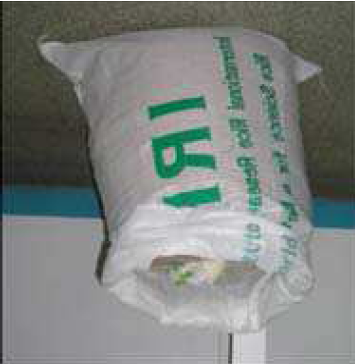
Source: [58]. Figure 1: Triple-Layer Bag Hermetic Type Storage Structure
Villers P [57] evaluated the effectiveness of triple-layer hermetic bag against S. zeamais and they were evaluated some parameters that indicates the effectiveness of hermetic technology comparing with others like polypropylene and jute bags. They assessed percentage damage of grain, weight loss and germination rate on these three different types of storage bags. The results they obtained showed that damaged maize grain and weight loss were significantly higher in the polypropylene and jute bags than the hermetic bag while germination potential of maize is high in hermetic bag storage. Therefore, triple-layer hermetic bags were effective against S. zeamais and could be used for storage of maize.
Basket Mudded Wall Storage
Dry, shelled maize grain can be stored in close-weave baskets or baskets that have mudded walls. Baskets may be woven from twigs, split bamboo, twisted grass rope and sorghum stalks. They may have tight-fitting lids and some may have additional loading or unloading hatches and they may be used for drying and storage. They can be used without mud plaster for the drying phase and then plastered for the storage period. A mud layer applied to the outer and inner walls of basket stores will provide protection from rain, strengthen the structure and restrict uptake of moisture by dry grain and intern protects maize from insect pest infestation [59]. It may also prevent damage to the basket by wood- boring beetles and restrict the rate of breakdown of insecticide dust by reducing airflow through the grain. Mudded stores may be more secure, limiting access to the grain by small animals, such as goats and sheep, and reducing the potential for theft [59]. Basket stores can be kept inside the house or outside in the open. They should be raised off the ground, placed on stones or brick foundations or on a wooden platform to prevent uptake of ground moisture. If they are kept outside they should be placed under a shelter or have an extended thatched roof to provide protection against rain and shade from the sun. Traditional basket stores are built in different shapes and sizes. The material costs will be low for baskets made entirely from local materials. Village specialists may be employed to make basket stores and they may charge for their skills. Grain will keep satisfactorily as long as the basket is well maintained and steps are taken to control insects and to exclude rodents, e.g. fitting rodent guards to supporting legs. Mud plastered baskets with sealed lids may deter entry by insects, but grain that is vulnerable to insect attack, especially improved high-yielding varieties, may need to be protected with insecticide. Baskets that are well made and maintained may have a life of up to 15 years [59].
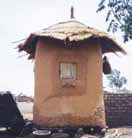
Source: [59]. Figure 2: Basket mudded wall storage structure
Metal Silos
The metal silo technology is an effective method of reducing grains post-harvest losses for small and medium scale farmers. This technology provides grains protection for both short and long time storage against pathogen damage, animal and insect pest [60]. Generally, metal silos are made of galvanized steel sheet of varying thickness and fabricated in different sizes as cylindrical, square or rectangular prism in shape. The Galvanized-steel is steel that has been coated with thin layers of zinc to prevent it from corrosion or rusting. Zinc act as a barrier against the environment and sacrificially corrode to provide cathodic protection [61]. Moreover, metal silos can be aluminum painted for additional protection of the sheet against corrosion and improves silo’s appearance.
Grain is loaded through a hatch in the top and can be emptied through a spout in the side at the bottom of the bin. Metal bins can provide maximum protection and security when padlocks are fitted to the filling hatch and emptying spout. Metal bins should be placed on platforms or legs to allow air to circulate around the base in order to prevent corrosion from ground moisture. They should be placed under a roof to provide shade and to help reduce moisture migration and heating of the grain inside. Large metal bins are more difficult and expensive to transport to rural areas and are easily damaged in transit over rural roads. Facilities for construction of large bins on site are rare. As grain must
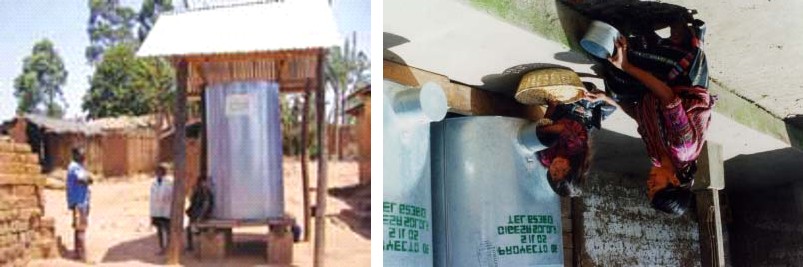
be very dry for storage in metal bins, the system is more suited to areas where drying facilities are available or where the crop is harvested and stored in a distinct long dry season. With proper maintenance and careful use, metal silos have an expected life of 25 to 40 years; with good protection against insect pests [62]. Maintenance includes cleaning out residues at the beginning of every season, protecting against corrosion and ensuring that the roof shelter is kept in good repair. A well-made and well-sealed metal bin will provide good protection against insects, mould, rodents and birds. Before storage, maize grain must be very well dried (14% moisture or below), threshed or shelled and then sieved or winnowed.
Source: [63]. Figure 3: Metal storage bin/silos storage structure.
Jute Bag with inner plastic lining storage
Bag storage is a convenient way of keeping threshed grain and pulses. The commodity can easily be removed for consumption, inspection or sun drying and is immediately available for sale. The need to thresh or shell grain may deter farmers from using bags if labour is in short supply at harvest time. These difficulties may be overcome by the use of shellers or threshers. Bags are usually made from jute or woven polypropylene, but hemp, sisal, grass and polythene sacks are also available. Sometimes plastic bags (old fertilizer bags) may be used for the storage of grain. The storage capacity is limited only by the number of bags available and the size of the storeroom. Small numbers of bags may be kept in the farmer’s house or in a separate store. This might include a room attached to the house, a simple pole and thatch shelter or a separate building made from traditional or non-traditional materials (bricks and cement). Ideally, one room or store should be kept for use entirely as a grain store. It is important that bags of grain are never placed directly on the floor. They should be stored on small storage platforms made from wooden poles (dunnage). This will allow air to flow under the stacks and will stop the bags getting wet from the uptake of moisture from the ground. If no wood is available the bags should be stacked on a plastic sheet. The area around the stack should be kept clear of household items that might provide hiding places for insects and rodents. The stack should be well constructed to prevent collapse and kept away from the walls of the store if possible. In the house the stack should be kept away from the kitchen and fireplace.
Successful bag storage depends on the adoption of good storage management rather than the construction and operation of a special storage structure. Bags provide little protection against rodents and insects; if the risk of insect attack is high, the grain must be treated with an appropriate insecticide dust [64]. Sacks should be brushed clean and dipped in boiling water to kill any insects present at the start of each season. The bags are used to store a wide variety of agricultural commodity products including maize effectively for three months by protecting well from insect pest infestation [58].
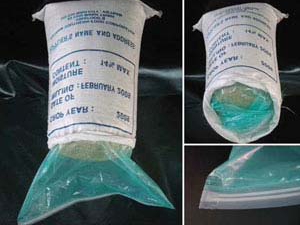
Source: [58] Figure 4: Inner plastic enveloped jute bag storage structures.
Gurinto P [64] has done the study by selecting four different modified storage structures (storage treatments) having 10 kg capacity of each such as bamboo mat with mud plastering, jute bag with inner plastic lining, metal bin, and kuniyu (storage check/control treatment) and he was evaluated for their suitability for maize seed storage for six months. All the storage structures were sealed with an appropriate means except the storage structure kuniyu. It is because the losses are largely associated with poor storage condition. He was assess germination percent, moisture content percentage, percent of bored grains, and final weight of maize after six months of storage as indicated table below.
| Storage structures | Six Months After Storage | |||
|---|---|---|---|---|
| Germination % | moisture % | bored grain % | final weight in kg | |
| Bamboo mat | 73.50 b | 16.30 a | 3.55 a | 7.36 b |
| Jute bag Metal bin | 88.00 a | 15.36 b 14.47 c | 2.85 ab 1.95 b | 7.74 ab 8.05 a |
| 91.00 a | ||||
Means in the columns followed by the same letter do not differ significantly (P>0.05) Source: [58]. Table: 4 Effect of Storage Structures on Germination %, Moisture %, Bored Grain % and Final Weight of Maize Grain At Six Months after Storage.
There was no effect of storage structures on the germination percent of maize up to three months of storage. The germination percent of maize differed significantly among storage structures after six months of storage. Metal bin was found superior in terms of saving seeds from insect boring which has resulted 91.00% germination of maize seeds after six months of storage followed by jute bag (88.00%) while bamboo mat was worse resulting into only 73.50% germination The possible reasons might be due to air tight situation in the later containers than the former one where there were no losses of the chemical constituents of the plant materials and chemical pesticides in metal bin. In contrast, other structure allows higher chances of losing such compounds. Similar was found by Tefera T [59], where low population of weevil and lower grain infestation may be due to the low seed moisture absorption and free air circulation because higher the seed moisture, higher the insect population.
Moisture percent of maize varied significantly among the storage structures three and six months after storage. In all dates of observations, maize stored in metal bins had the lowest moisture percent followed by jute bag while bamboo mat had the highest moisture percent Similar findings were reported by Haque NMM [65], where moisture content of the shelled corn increased from 14% to 15.8% in jute and polythene linig bags at 90 days of observation when the RH was 90% and temperature 26.70C. Percent of bored grains was significantly different among storage structures six months after storage. In the date of observation, metal bin was found superior having the lowest percent of bored grains followed by jute bag while bamboo mat resulted the highest percent of bored grains.
The final weight of maize differed significantly among different storage structures. Final weight of maize stored in metal bin was the highest (8.04 kg) which differed significantly with the final weight of maize stored in jute bag (7.56 kg) and bamboo mat (7.55 gm). Final weight of maize stored in jute bag and bamboo mat was at par with each other. Chitwan Y [66] also reported the similar findings that the increased level of temperature at 370C caused the highest weight loss, which could be one of the factors in this study. Generally based on the quality of the seed, metal bin is the best storage structure followed by jute bag with inner plastic lining for the storing of maize in safe condition for long time (Table 4). Bamboo mat with mud plastering could not help much in improving the post-harvest quality of maize [67, 68, 69, 70, 71, 72].
Summary and Conclusion
Maize is the highest production cereal grown worldwide. It has become particularly important in developing countries and will play an important role in meeting food security needs. As with all agricultural crops, storage is a central issue in food security. One of the major challenges in cereal storage or maize in particular is conditioning the grain to remove excess moisture and storing the grain in a dry environment protected from insect pests. Insect pests jeopardize food security throughout the developing world. Small-scale maize farmers, who generally store their grain as whole ears in slatted bins, in adobe rooms, among the rafters of their huts, or even in the field, are especially affected. Farmers are often forced to sell extra grain right after harvest, when the market is glutted and prices are lowest. The use of local knowledge in controlling post-harvest insect pest of maize during storage to enhance food security is increasingly becoming an important issue. Many households do mulch their crops using local materials and use locally concocted pesticides to control pest both in the field and in the store- house. The use of these practices and technologies is, however, largely limited by lack of their documentations. There is, therefore, a need to build strong awareness programs to appreciate indigenous knowledge systems and its role in enhancing household food security; document, and disseminate detailed information about indigenous knowledge; promote and transfer indigenous practices and technologies to areas with similar characteristics. Maize farmers were using indigenous storage practices such as storing maize by mixing with different substances and common cultural storage controls that they perform easily and also using improved storage structures to improve their storage problems. The other improved storage structure is that hermetic storage which a sustainable, cost effective, user-friendly and environmentally benign technology that makes the use of pesticide and fumigants in post-harvest and seed storage unnecessary Based on the quality of the seed and weevil infestation, admixing with locally available botanical materials and using hermetic bag and metal bin storage structure are the best choices of the farmer’s technology to ascertain storage problems.
Recommendation
Post-harvest losses of agricultural commodities in general and maize in particular have been considered as a major problem area where research could have meaningful impact. Effective indigenous knowledge should be scientifically proved with practical research on its role and encouraged to be used as the method of insect pest control during storage to minimize farmer’s problem. The various insect pest control methods (cultural, physical, biological, resistant varieties, chemical etc.) should be combined in an integrated pest management strategy, taking into account costs and feasibility of the control methods. The need for demonstrations and relevant training on the use of effective non-chemical pest control methods, the appropriate construction use and maintenance of traditional storage structures and on the use of appropriate pesticides to protect farm-stored maize should be given for the farmers as training. Post-harvest pest management research on more promising non-chemical methods should be strengthened through cooperation with various international organizations. The farmers should be facilitated in order to adopt improved agricultural practices by providing them with soft loans, which they can use to buy farm inputs. Efforts should be made by the government to encourage farmers to adopt improved maize storage practices in order to reduce losses emanating from storage. The educational level of the farmers should be considered when coming up with extension packages and methods to ensure maximum adoption. concerning to this effort should be made to increase the literacy level of the IK, through adult education programmes with a view to documenting IK; and development stakeholders should encourage and support the farmers to confidently use their Indigenous knowledge by ensuring their participation in the development process. Concerning to the effectiveness of hermetic storage and its resulting modified atmosphere, many countries like Ethiopia, that have not yet benefited from this process, will undoubtedly do so in the near future. Moreover, still newer forms and applications of hermetic storage are being continuously developed.
References
-
Anderson PK, Cunningham AA, Patel NG, Morales FJ, Epstein PR, et al. (2004) Emerging infectious diseases of plants: pathogen pollution, climate change and agrotechnology drivers. Trends Ecol Evol. (10): 535-544.
-
Emily TN, Sherry AT (2010) Maize: A paramount staple crop in the context of global nutrition. Comprehensive reviews in food science and food safety 9: 417-436.
-
FAO/WB (2010) FAO/World Bank workshop on reducing post-harvest losses in grain supply chains in Africa. FAO Headquarters Rome Italy pp: 18-19.
-
Langyintuo AS, Mwangi W, Diallo AO, MacRobert J, Dixon J, et. al (2010) Challenges of the Maize Seed Industry in Eastern and Southern Africa: A Compelling Case for Private-Public Intervention to Promote Growth. Journal of Food Policy 35(4): 323-331.
-
Food and Agricultural Organization of the United Nations (FAO) (1977) Analysis of an FAO survey of post-harvest crop losses in developing countries. AGPP MISC/27. Rome: FAO.
-
Central Statistical Agency (CSA) (2007) Report on area and production of crops (Private Peasant Holdings, Meher Season). The Federal Democratic Republic of Ethiopia Central Statistical Agency Agricultural Sample Survey Statistical Bulletin 388.
-
Wekesa E, Mwangi W, Verkuijl H, Danda K, De Groote H (2003) Adoption of Maize Technologies in the Coastal Lowlands of Kenya. Mexico, DF CIMMYT.
-
Echezona BC, Iloba BC (2005) Maize earthworm attack as influences by varying maize spatial arrangement and population in maize soybean mixture. Agroscience Journal 4(1): 60-65.
-
Grant IF, Tingle CCD (2002) Ecological monitoring methods for the assessment of pesticides impact in the tropics. National Resource Institute, Chatham, UK: 266.
-
Collinson M (2001) Institutional and professional obstacles to a more effective research process for small holder agriculture. Agricultural Systems 69 (12): 27-36.
-
Babu TR, Reddy VS, Hussaini SH (2003) Effect of Edible and Non-Edible Oils on the Development of The Pulse Beetle (Callosobruchus chinensis L.) and on Viability and Yield of Mungbean (Vigna radiata [L.] Wilczek) Tropical Sci 29: 215-220.
-
Ishii T, Matsuzawa H, Vairappan CS, (2010) Repellent activity of common spices against the rice weevil, Sitophilus zeamais Mostsch (Coleoptera, Curculionidae). Journal Of Tropical Biology and Conservation 7: 75-80
-
Dakshinamurthy A (2005) Effect of Certain Plant Products on Storage Pest of Paddy. Tropical Sci. 28: 119- 122.
-
Golob P (2007) Current status and future perspectives for inert dusts for control of stored product insects. J Stored Products Res 33: 69-79.
-
Tadesse A (1996) Insects and other arthropods recorded from stored maize in western Ethiopia. African 4(3): 339-343.
-
Emana Getu (1993) Studies on the distribution and control of Angoumois grain moth (Sitotroga cerealella) in Sidamo Administrative Region. M.Sc. Thesis, Alemaya University of Agriculture, Alemaya.
-
Emana G, Assefa GA (1998) Arthropod pests of stored maize in Sidama Zone: Economic importance and management practices. Pest Mgt J Eth 2 (1&2): 26-35.
-
Mcfarlane JA, Dobie P (1972) The susceptibility of Tef (_Eragrostis abyssinica_ Schrad.) to infestation by some insect pests of stored grain. J Stored Prod Res 8: 177-182.
-
Navarro S and E J Donahaye (2005) Innovative environmentally friendly technologies to maintain quality of durable agricultural products 1st (Edn.), In: S. Ben Yehoshua, Editor, Environmentally Friendly Technologies for Agricultural Produce Quality, CRC Press, Boca Raton, FL, USA, pp: 204-260.
-
Mariam M (2002) Freelance Environmental Lawyer, Based in Johannesburg South Africa, Securing Sustainable Livelihoods: Imperatives Underpinning the Development Of An Appropriate Regime to Protect Community Rights to Biodiversity.
-
Obeng Ofori D (2011) Protecting Grains from Insect Infestations in Africa: Producer Perceptions Andpractices. Stewart Postharvest Review 3(10): 1-8.
-
Mekuria T (1995) Botanical Insecticides to Control Stored Grain Insects with Special Reference to Weevils (_Sitophilus_ Spp.) on Maize. Proceedings of the Annual Conference of the Crop Protection Society of Ethiopia. Addis Abeba, Ethiopia.
-
Abraham T, Tadesse GM, Mengistu H (1995) Evaluation of insecticide dusts for the control of the maize weevil, Sitophilus zeamais Motsch. (Coleoptera: Curculionidae) on stored maize in the laboratory (Abstract) Proceeding of the Second Annual Conference of the Crop Protection Society of Ethiopia, CPSE.
-
Firdissa E, Abraham T (1999) Effect of some botanicals and other materials against the maize weevil (_Sitophilus_ _zeamais_ Motsch.) on stored maize. In: Maize Production Technology for the Future: Proceedings of the Sixth Eastern and Southern Africa Regional Maize Conference. Addis Ababa, Ethiopia: CIMMYT and EARO: 101-104.
-
Fentahun Mengistu (1995) Polyethylene sheets as a solar heat collecting devices to disinfest grains from storage pests. Proceedings of the Second Annual Conference of the CPSE. Addis Abeba Ethiopia 1994: 26-27.
-
Boxall R, Golob P, Taylor R (1997) Pest management in farm granaries. Chatham, UK, Natural Resources Institute, University of Greenwich.
-
Tadesse A (1991) The biology, significance and control of the maize weevil, Sitophilus zeamais Motsch., on stored maize. M.Sc. Thesis. Alemaya University of Agriculture (AUA), Alemaya, Ethiopia, pp: 250.
-
Tadesse A (1997) Arthropods associated with stored maize and farmers’ management practices in the Bako area. Pest Management J Eth 1(1&2): 19-27.
-
Mohammed Dawd (1996) Heat Treatment for the Control of Corn Weevil, _Sitophilus Zeamais_ Motsch. in Stored Corn. Paper presented at the Fourth Crop Protection Society of Ethiopia. Addis Abeba, Ethiopia.
-
Kassa A, Aysheshim S, Mengistu F (1996) Evaluation of polyethylene sheet as solar heat collector for disinfestation of cereals: part I. Paper presented at the Third Cycle Local Research Grant Workshop organized by the Ethiopian Science and Technology Commission, ESTC, pp: 28-29.
-
Fekadu G, Dante R, Waktole S (2013) Laboratory Evaluation of Cotton (_Gossypium hirsutum_) and Ethiopian Mustard (_Brassica cariata_) Seed Oils as Grain Protectants against Maize Weevil, _Sitophilus zeamais_ M. (Coleoptera: Curculionidae) Molecular Entomology 8(32): 4377.
-
Cooping LG, Menn JJ (2000) Biopesticides: A review of their action, application and efficacy. Pest Manag Sci 56(8): 651-676.
-
Wolfson JL, Shade RE, Mentzer PE, Murdock LL (1991) Efficacy of ash for controlling infestations of _sitophilus_ _zeamais (L_.) (Coleoptera: Curculionidae) in stored grains. Journal of Stored Products Research 27(4): 239-243.
-
Girma D, Tadele T, Abraham T (2008) Importance of Husk Covering on Field Infestation of Maize by _Sitophilus_ _Zeamais_ Motsch (Coleoptera: Curculionidea) at Bako, Western Ethiopia. African Journal of Biotechnology 7(20): 3777-3782.
-
Nipkay A (2006) Diatomaceous Earths as Alternatives to Chemical Insecticides in Stored Grain. Insect Science 13(6): 421-429.
-
Vayias BJ, Athanassiou CG, Kavallieratos NG, Buchelos CTh (2006) Susceptibility of different European populations of _Tribolium castaneum_ (Coleoptera: Tenebrionidae) to five diatomaceous earth formulations. Journal of Economic Entomology 99(5): 1899-1904.
-
Mital S, Wrightman JA (1989) An inert dust protects stored groundnuts from insects pest. London: ICRISAT, pp: 21-22.
-
Arthur FH (1996) Grains protectants current status and prospects for the future. Journal of Stored Products Research 32(3): 293-302.
-
Subramanyam B, Roesli R (2000) Inert Dust. In: Subramanyam B, Hagstrum DW (Eds.), Alternatives to pesticide in stored-products IPM. Massachusetts: Kluwer Academic Publishers Norwell, pp: 321-380.
-
Law-Ogbomo K E and Enobakhare D A (2007) The Use of Leaf Powders of _Ocimum Gratissimum_ and _Vernonia_ _Amygladina_ for the Management of _Sitophilus Oryzae_ (Lin.) in Stored Rice. J Entomol 4(3): 253-257.
-
Tadesse A (2008) Increasing crop production through improved plant protection. Volume 1 Plant Protection Society of Ethiopia (PPSE), PPSE and EIAR, Addis Ababa, pp: 588.
-
Assefa GA Ferdu A (1999) Insecticidal activity of chinaberry, endod and pepper tree against the maize stalk borer (Lepidoptera: Noctuidae) in southern Ethiopia. International Journal of Pest Management 45(1): 9-13.
-
Mekuria Tadesse (1995) Maize storage insect pest status in southwestern Ethiopia (Abstract) Proceedings of the Second Annual Conference of the Crop Protection Society of Ethiopia, 26-27 April 1994, Addis Ababa, Ethiopia, CPSE, Addis Ababa, pp. 24.
-
Adane K, Dave M, Archer SA (1998) Potential of Phytolacca dodecandra for the control of Maize Weevil and Bean Beetle in the Laboratory. Pest Mgt J Eth 2(1&2): 56-65.
-
Emana Getu (1999) Use of botanical plants in the control of stored maize grain insect pests in Ethiopia. In: Maize Production Technology for the Future: Proceedings of the Sixth Eastern and Southern Africa Regional Maize Conference. Addis Ababa, Ethiopia: CIMMYT and EARO, pp. 105- 108.
-
EARO (Ethiopia Agricultural Research Organization) (1999) EARO Annual Report 1997/98. EARO, Addis Ababa, Ethiopia.
-
Selase AG, Getu E (2009) Evaluation of botanical plants powders against Zabrotes subfasciatus (Boheman) (Coleoptera: Bruchidae) in stored haricot beans under laboratory condition. Afr J Agric Res 4(10): 1073-1079.
-
Bamaiyi LJ, Ndams IS, Toro WA, Odekina S (2007) Laboratory evaluation of mahogany (Khaya senegalensis (Desv.) seed oil and seed powder for the control of Callosobruchus maculatus (Fab.) (Coleoptera: Bruchidae) on stored cowpea J Entomol 4: 237-242.
-
Mulungu LS, Lupenza G, Reuben SOWM, Misangu RN (2007) Evaluation of Botanical Products as Stored Grain Protectant against Maize Weevil, _Sitophilus Zeamais_. Journal of Entomology 4(3): 258-262.
-
Paranagama P, Abeysekera T, Nugaliyadde L, Abeywickrawa K (2003) Effects of the Essential Oils of _Cymbopogon Citratus_, _C. Nardus_ and _Cinnamonum_ _Zeylancium_ on Pest Incidence and Grain Quality of Rough Rice (paddy) Stored in an Enclosed Seed Box. Food, Agriculture & Environment 1(2): 134-136.
-
Dejen A (2002) Evaluation of some botanicals against maize weevil, Sitophilus zeamais motsch. (Coleoptera: Cruculionidae) on stored sorghum under laboratory condition at Sirinka, Pest Manag. J Ethiopia (6): 73-78.
-
Fekadu G, Waktole S, Dante R (2012) Evaluation of Plant Powders and Cooking Oils against Maize Weevil, _Sitophilus zeamais_ M (Coleopteran: Curculionidae) under Laboratory Conditions. Molecular Entomology 3(2): 4-14.
-
Demissie G, Tefera T, Tadesse A (2008) Importance of husk covering on field infestation of maize by SitophiluszeamaisMotsch (Coleoptera: Curculionidea) at Bako, Western Ethiopia. Afr J Biotechnol 7: 3777-3782.
-
Odeyemi OO (1993) Insecticidal properties of certain indigenous plant oils against _Sitophilus zeamais._ Mots Appl Eng Phytopathol 60:19-27.
-
Ahn YJ, Lee SB, Lee HS, Kim GH (1998) Insecticidal and acaricidal activity of caravacrol and ß-thujaplicine derived from Thujopsis dolabrata var. hondai sawdust J Chem Ecol 24(1): 81-90.
-
Anankware JP, Obeng Ofori D, Afreh Nuamah K, Oluwole FA, Ansah FA (2013) Use of the Triple-Layer Hermetic Bag against the Maize Weevil, _Sitophilus Zeamais_ (Mots) in Three Varieties of Maize. Journal of Biology Agriculture and Healthcare 3(12): 67-71.
-
Villers P, De Bruin T, Navarro S (2006) Development and applications of the hermetic storage technology. Proceedings of the 9th International Working Conference on Stored Products Protections (IWCSPP), Sao Paulo, Brazil, pp: 33-45.
-
Panthee DR (1997) Identification of a suitable indigenous storage structure for wheat seed storage. J Inst Agric Anim Sci 17-18: 55-62.
-
Tefera T, Kanampiu F, De Groote H, Hellin J, Mugo S, et al. (2011) The metal silo: an effective grain storage technology for reducing postharvest insect and pathogen losses in maize while improving smallholder farmers’ food security in developing countries. Crop Protection 30(3): 240-245.
-
Simões AMP, Carbonari RO, Di Sarli AR, del Amo B, Romagnoli R (2011) An environmentally acceptable primer for galvanized steel: Formulation and evaluation by SVET. Corr Sci 53(1): 464-472.
-
Hans S (1999) Postcosecha report on the postharvest workshop in Migori district, Kenya from 3.3-11.3. Swiss Agency for Development and Cooperation. Managua, Nicaragua.
-
SDC (2013) Agriculture and food security.
-
GC YD (2006) Efficacy of Indigenous Plant Materials and Modified Storage Structures to Insect Pests of Maize Seed during On-Farm Storage. J Inst Agric Anim Sci 27: 69-76.
-
Gurinto P, Haque E, Chung DS (1991) Moisture absorption of stored grain under tropical conditions. Transaction of the ASAE 34: 2131-2134
-
Haque NMM, Karim ANMR, Alam MZ, Hossain T, Chaudhary DAM (1996) Effects of grain moisture and temperature on rice weevil, _Sitophilus oryzae_ (L.) on unhusked- unparaboiled rice. Ann. Bangladesh Agric 6: 125-131.
-
Chitwan Y, Nepal D, Rampur C (2006) Efficacy of Indigenous Plant Materials and Modified Storage Structures to Insect Pests of Maize Seed during On- Farm Storage. Journal of the Institute of Agriculture and Animal Science (27): 45-60.
-
Demissie G, Teshome A, Abakemal D, Tadesse A (2008) Cooking oils and “Triplex” in the control of Sitophilus zeamais Motschulsky (Coleoptera: Curculionidae) in farm-stored maize. J Stored Prod Res 44(2): 173-178.
-
FAO (2006) Maize: international market profile. Grains team food and agriculture organization of the United Nations economic and social department trade and markets division.
-
Food and Agricultural Organization of the United Nations (FAO) (2009) How to Feed the World in 2050. Rome: FAO.
-
Hodges R, Buzby J and Bennett B (2010) Post-Harvest Losses and Waste in Developed and Less Developed Countries: Opportunities to Improve Resource Use. Journal of Agricultural Science, Cambridge University Press, pp: 1-9.
-
Stathers T, Mvumi B, Chigariro C, Mudiwa M, Golob P (2000) Grain storage pest management using inert dusts. DFID Crop post-harvest programme final technical report. Chatham, UK, Natural Resources Institute, University of Greenwich.
-
Tapondjou LA, Adler C, Bouda H, Fontem DA (2002) Efficacy of powder and essential oil from _Chenopodium_ _ambrosioides_ leaves as post-harvest grain protectants against six-stored product beetles, Journal of Stored Products Research 38(4): 395-402.
- The Role of Podocyte Apoptosis and the Involvement of SIRT1 in Diabetic Nephropathy
- Dealcoholization of Beer by Osmotic Distillation for the Beverage Industry
- Biopolymer-Based Edible Packaging- Biomaterials, Methods, and Applications in Food Industry: An Updated Review
- Influence of Bioprocessing Methods on 'China Rice' (Gawal R1), and Soyabean Supplementation on the Quality of Complementary Food
- Cassava (Manihot esculenta) Varietal Growth, Yield and Cyanide Content Performance in Three Sites in the South- Eastern Semi Arid Regions of Kenya
- Food Waste Treatment, Recycling, Management and Production of Value-Products-An Update on Methodologies and Current Trends