
Circular Economy Solutions: Converting Common Waste into Useful Products for a Sustainable Future
We currently live in a world where the depletion of resources is beyond our control. The demand for achieving sustainable development, both financially and ecologically, is communicated effectively and unambiguously. As a result, current and future generations must guarantee that all resources are maintained, fully utilized, and responsibly managed. Waste generation has always been a component of humanity’s quest for progress, whether in social or economic activity. The general meaning of “waste” is useless or in other words futile but nowadays waste is useful to create wealth and employment also but in the present scenario handling and treatment of “waste” is a big challenge. There is a lot of technology around us which solves the handling and treatment of waste as well as these methods creates wealth also. Plastics have become an integral and unmistakable part of our daily lives. Because of its high tensile strength, durability, lightweight, high elasticity, resistance to corrosion, and ease of transport, plastic is used to make a wide range of products, including carry bags, pet bottles, pouches, electric switches, computer accessories, automobile accessories, and many more. The present chapter deals with trending topics of waste-to-wealth conversion like plastic waste to granular for use in the construction of roads, municipal waste to methane production, and use energy as a side product in thermal power plants, biomass to biodiesel. The chapter also deals with a very important aspect of carbon dioxide storage and utilization which is the conversion of CO2 to useful Chemicals.
Chapter 1: Plastic Waste to Granular For Use in the Construction of Roads
Introduction
According to the Europe 2018 report [1], global plastic manufacturing climbed from 1.7 million tons to 350 million tons in 2017. The COVID-19 pandemic has further hampered efforts to reduce plastic pollution, as the disposal of spent PPE kits, gloves, masks, sanitizer dispensers, etc. has produced a situation of “plastic pollution pandemic.” Inger Andersen, executive director of the United Nations Environment Programme (UNEP), said: “By 2050, we will have nearly a billion metric tons of plastic in our landfills.
A large portion, around 80%, of the plastic waste we generate ends up in landfills. Sadly, this waste doesn’t stay put [2]. When it rains or when water flows through these landfills, it carries the plastic with it, eventually making its way into rivers and streams, and eventually finding its way to the vast oceans. In the open waters, the plastic gathers in swirling patches called gyres, like the well-known Great Pacific Garbage Patch. These garbage patches are full of plastic debris that seriously harms marine life. Animals get tangled in plastic nets, consume tiny bits of plastic, or mistake it for food. This causes a lot of damage and can disrupt the delicate balance of our marine ecosystems, leading to the collapse of important species and habitats. It’s crucial that we take action now to break the cycle of the linear economy and transition to a circular economy. This means recycling, reusing, and finding new purposes for plastic, so we can protect our oceans and ensure a better future for our planet.
Waste plastic can be utilized or recycled in a variety of industries for use as building materials, fuel, household items, textiles and apparel, shoe bottoms, and other products. The current study’s objective is to provide a concise overview of the use of plastic waste as a construction material. Road construction utilizing discarded plastic is a relatively new concept. When a modest amount (approximately 5–10% by weight) of plastic is added to bituminous mixtures (asphalt), it improves the stability, strength, and durability of the pavement, according to laboratory testing [3]. However, there is very little international field experience with using plastics in actual road construction. In this review, we identified a few case studies from Europe, India, and South Africa that demonstrate the usage of waste plastics in building roads. These case studies are compiled in this study in successive discussions.
Process of Making Granular Plastic
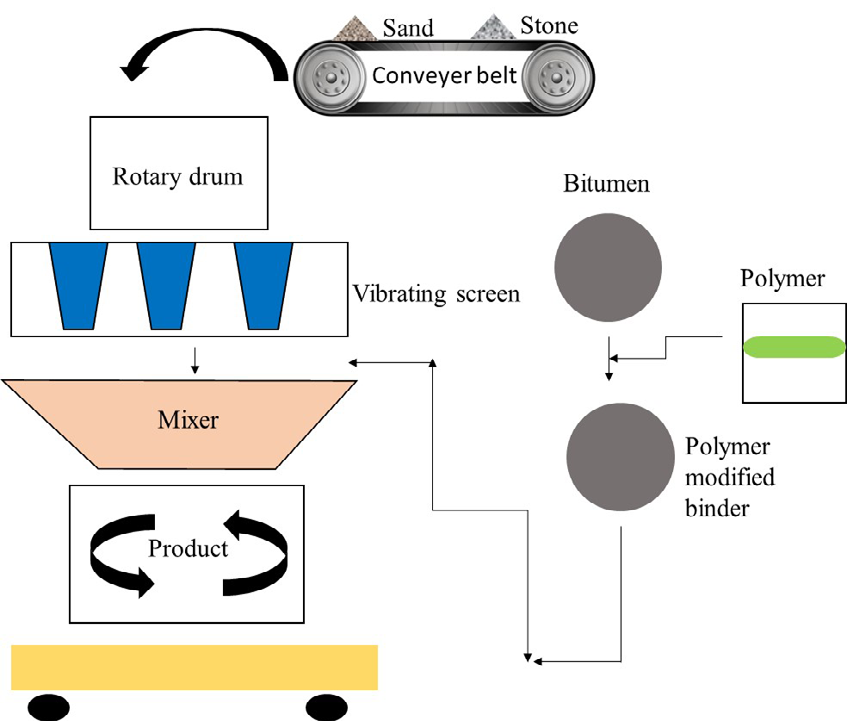
Roads have not yet been built entirely from waste plastic, although the notion is relatively new. Using waste plastic in bituminous mixes increases durability and results in higher resistance to deformation and water-induced damage, according to laboratory and field performance studies by the Indian Road Congress, which indirectly contributes to user satisfaction and accident reduction [4]. By incorporating waste plastic into the bituminous mixture, bitumen usage is decreased, which lowers expenses [5, 6, 7]. But bituminous hot mixes made using waste plastic for building roads are either created using a “dry” or a “wet” procedure. The dry method is thought to be easy, affordable, and environmentally benign, whereas the wet process needs more capital and equipment and is hence less popular. The schematic of dry process is shown in Figure 1. However, both methodologies are interesting, although the wet method is more resistant and requires more capital.
In the dry process, the heated aggregate is combined with shreds of processed waste plastic (Figure 1). For optimum spreading and coating on the aggregate, the Indian Road Congress and National Rural Roads Development Agency recommend that the size of the shred waste plastic be 2-3 mm. No more than 1% of dust or other contaminants should be present [4]. The aggregates are then heated to 170 °C before the waste plastic is shredded. Waste plastic that has been shredded becomes softer and melts, coating the particles. The plastic-coated aggregates are combined with bitumen after being heated to 160 °C and the mixture is used to build roads. In comparison to the results of the wet method, Mishra and Gupta [8] observed a significant improvement in several indices, including Marshall Stability and indirect tensile strength. This demonstrates the greater ability to withstand greater loads and to sustain deformation.
Case study-Europe
Instead of using conventional bitumen, Durham County Council in the UK used MacRebur’s recycled waste plastic to create asphalt, which was then used to resurface a part of the A689 at Sedgefield and the runways and taxiways at Carlisle Airport. In addition to building South Africa’s first plastic road, MacRebur was also involved in building plastic roads in Australia and the United States. The only waste plastic road construction technique that has reached widespread commercial use is MacRebur products. Following the implementation of field trials in eight local authorities (Buckinghamshire, Bedfordshire, Cumbria, Staffordshire, Kent, Reading, Suffolk, Solihull, and Birmingham), the UK government recently announced the commitment of USD31 million towards plastic road innovations. Approximately USD 2.1 million of these funds will be used to extend a road in Cumbria that is made of recycled plastic mixed with asphalt.
Case study-India
The nation has the most apparent experience with waste plastics in road construction in India. India has pushed the use of waste plastic in bituminous mixes for the building of its national highways and rural roads, and has approved it as a default option of periodic renewal using hot mixes for roads within 50 km peripheral of urban centers with more than 500,000 people [9]. The National Rural Roads Development Agency offers rules on the use of waste plastic specifically for the construction of rural roads, while the Indian Road Congress has issued standards for the use of waste plastic in hot bituminous mixes.
More than 2500 km of roads have been built with waste plastic since 2002, and ten years later, they are still running well without potholes, raveling, or rutting [4]. One of the causes of these flaws in conventional road construction is inadequate binding between the aggregates and bitumen, however in contrast to conventional construction methods, the binding between bitumen and plastic-coated aggregate is stronger.
Challenges
- Formation of hazardous chlorine gas during road construction.
- All kinds of plastic cannot be used for making road construction material.
- Plastic film of thickness up to 60 microns is used.
- Collection and Segregation of waste plastic.
- No availability of established and proven methods.
- No health and safety training facility is available for the worker.
- No legal support from government agencies.
Conclusion
Both the problem of how to dispose of solid waste and the lack of structural applications for raw materials will be solved by using plastic trash. The circular economy’s trend toward recycling is further supported by the usage of plastic waste in a variety of construction applications. Recycling and reuse of plastic trash can be used as a strategic response to the growing volume of plastic waste in our ecosystem. One of the most efficient ways to use waste plastic is to make concrete, bricks, blocks, tiles, and other building materials for roads. There are excellent opportunities for using plastic garbage if science and technology are adequately applied despite severe limits on its use in construction applications.
Chapter 2: Municipal Waste to Methane Production and Use Energy as a Side Product in Thermal Power Plants
Introduction
Municipal waste (MS) has become an emerging waste due to rapid development in India with the rise of population. The Ministry of Rural Development of India reports that India produces 1,300,000-1,500,000 metric tonnes (MT) of municipal solid waste daily, or about 330-550 grams per urban resident [1].The above said, amounts to about 50 million MT annually; at the current rate, it will increase to about 125 million MT annually by 2031. In addition, the fact that the composition of waste is shifting, with a higher percentage of non-biodegradable items and a decreasing percentage of biodegradable items, is also cause for concern. Therefore, the waste management approach relies on thoroughly understanding the waste’s characteristics. And there’s the issue of garbage from the past piling up in landfills outside various urban centers.
Municipal waste generation has a profound impact on both the environment and human health. The sheer volume of waste produced by cities and towns overwhelms landfills, leading to pollution of soil, water, and air. As organic waste decomposes, it releases harmful greenhouse gases like methane, contributing to climate change. Improper waste management practices, such as open dumping and inadequate disposal facilities, exacerbate these issues, posing significant health risks to nearby communities. The leaching of hazardous substances from landfills contaminates groundwater, posing long-term threats to drinking water sources. Furthermore, the incineration of waste releases toxic pollutants into the air, compromising air quality and increasing respiratory problems [2]. It is imperative that municipalities adopt sustainable waste management practices, such as recycling, composting, and waste-to-energy initiatives, to mitigate these adverse impacts and safeguard the well-being of both the environment and their residents.
The wastes (MS) can be categorized as dry, wet, and C&D waste, leading to landfilling based on the guidelines for Swachh Bharat Mission (Urban) [SBM 2.0] published in 2021. The waste management guidelines emphasize the importance of a guaranteed daily input of at least 150–200 tonnes of non-recyclable, high calorific value, segregated non-biodegradable waste for waste-to-energy projects to be economically and operationally viable. Unfortunately, this has also been our experience; waste-to-energy (WtE) plants aren’t the miracle cures they’re often portrayed as being. Similarly, we’ve realized that waste-to-energy (WtE) plants aren’t the miracle cures they’re cracked up to be. Without this, the plants can’t function at their full potential and will eventually shut down.
The importance of plastic management is emphasized in SBM 2.0. Therefore includes efforts to reduce the amount of plastic used for single-use items and to make recycling and reusing plastic a reality. There is a need for more research into this area because it is evident that efficient methods of identifying single-use and non-recyclable plastic are necessary to combat the epidemic of plastic waste. Based on the above facts, disposal options for municipal waste and how they are managed are shown pictorially in Figure 2.
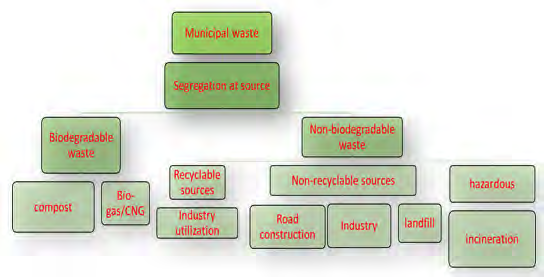
In most of the cases, it is evident that landfilling is the best option. But, if the waste (MS) is not adequately managed at the landfilling site, it threatens the environment, such as greenhouse gas emission (GHGE) and soil, air, and water pollution [3, 4]. The literature shows that landfill gases consist primarily of methane (55%) and the rest of carbon dioxide and other chemical compounds like aromatics, chlorinated organics, and traceable amounts of sulphur. In India, methane emission accounts for 29% of the total GHGE from MS landfill sites, higher than the average methane production (15%) worldwide [6, 7, 8, 9].
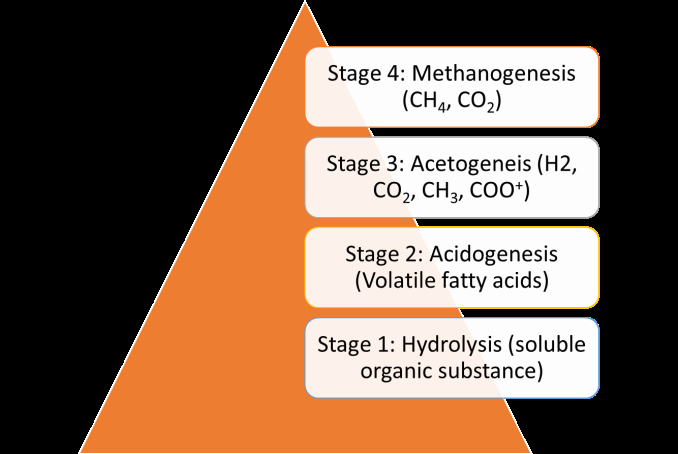
The main reason for methane emission has been linked to the generation of (MS) waste due to the rapid growth in the population and improper disposal of MS waste [5]. Now the need has come to move ahead with the waste-to- energy (WtE) technology to manage the landfill sites and increase recovery with proper waste recycling. Various WtE technologies treat MS, like gasification, pyrolysis, anaerobic digestion (AD), and incineration [9, 10, 11]. Amongst all the techniques, it is observed that anaerobic digestion proved to be the best due to the higher yield of organic fractions and water content [12]. Therefore, resulting methane production with no effect on the surrounding environment. The process consists of four pivotal stages [13, 14]. The process involves four critical stages: converting complex organic molecules to simpler monomers, acidogenesis, acetogenesis, and methanogenesis into the atmosphere [13, 15, 16]. Therefore, this is considered a recent trend to utilize waste as methane gas shown in Figure 3.
Chapter 3: Utilization of Methane in Thermal Power Plants
Introduction
Coal-based or diesel-based thermal power plants have significant detrimental effects on ecosystems. The burning of coal or diesel releases large quantities of greenhouse gases, including carbon dioxide, sulfur dioxide, nitrogen oxides, and particulate matter, into the atmosphere. These emissions contribute to air pollution and climate change, leading to adverse effects on both terrestrial and aquatic ecosystems. Acid rain, caused by sulfur dioxide emissions, can acidify soils and bodies of water, harming plants, animals, and aquatic life. The deposition of particulate matter can coat vegetation, inhibiting photosynthesis and impacting plant growth. Additionally, thermal power plants often require large amounts of water for cooling purposes, leading to the extraction and consumption of freshwater resources, which can deplete local water sources and disrupt aquatic ecosystems. To safeguard the environment, it is crucial to transition towards cleaner and renewable energy sources, minimizing the negative impact of thermal power plants on ecosystems [1, 2].
One of the current problems facing thermal power plants is the growing concern over their significant greenhouse gas emissions and contribution to climate change. As the global focus on reducing carbon emissions intensifies, thermal power plants, especially those relying on fossil fuels like coal and diesel, face increasing scrutiny and pressure to transition towards cleaner energy alternatives. Additionally, stricter environmental regulations and emission standards pose challenges for existing thermal power plants, as they require costly upgrades or retrofitting to meet the new requirements. The need for more sustainable and environmentally friendly energy sources, coupled with the rising demand for renewable energy, further highlights the challenges faced by thermal power plants in adapting to the evolving energy landscape [3].
An effective way to generate electricity in thermal power plants is by using methane, a strong greenhouse gas and the main element of natural gas. Methane is burned in this process to create heat, which is subsequently transformed into mechanical energy to produce electricity. Thermal power plants can lessen their environmental effect and help to create a more sustainable energy future by using methane as a fuel source.
Production Process
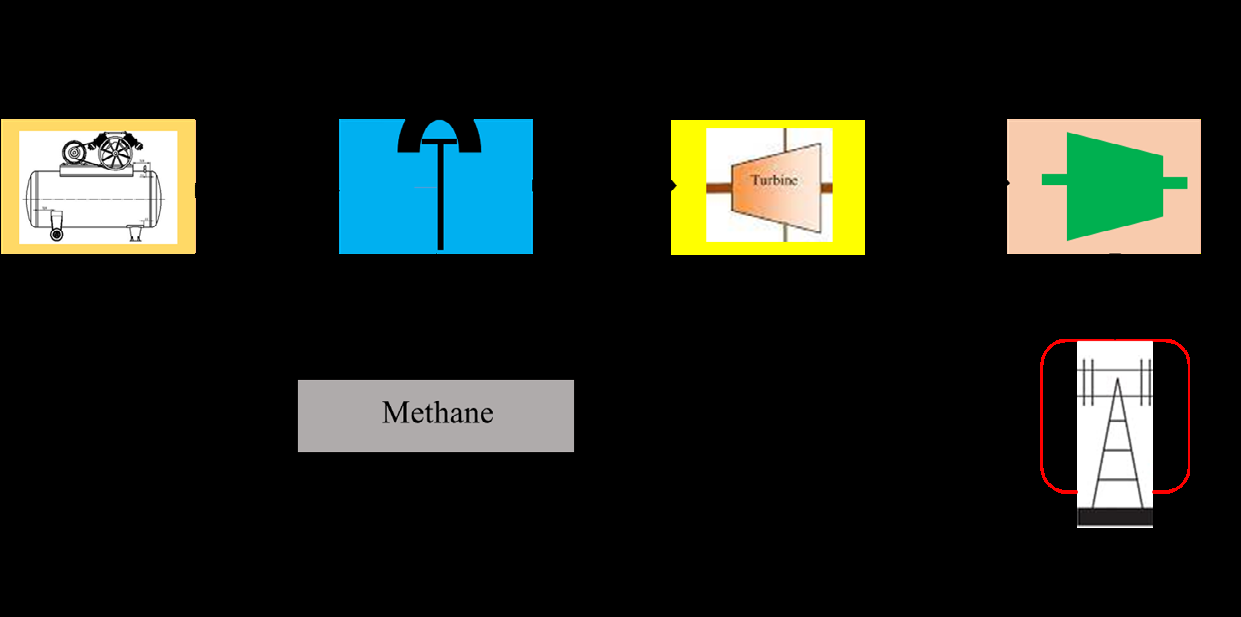
Power production from methane gas involves capturing methane, a potent greenhouse gas emitted from various sources such as landfills, wastewater treatment plants, and agricultural operations. The captured methane is then used as a fuel to generate electricity or heat, reducing greenhouse gas emissions and utilizing a valuable energy resource in an environmentally sustainable manner. Figure 4 shows the schematic of power generation using methane gas. The production process of utilizing methane in thermal power plants involves several key steps.
• Methane Extraction Methane is generated from municipality waste. The details about the methane generation from municipality waste are explained in the above section. However, the quality of the methane and its purity depends upon the types of waste. Hence, after the generation of the methane gas, methane may be required for purification before transferring it into thermal power plant. [4, 5, 6].
• Purification Methane is extracted, and then it goes through purification to get rid of pollutants and impurities. To achieve the requirements for combustion, purification is necessary. The following steps are commonly included in the purifying process:
Water Removal: Methane is frequently saturated with water vapor. The water is eliminated using procedures such as condensation or adsorption to avoid corrosion and increase combustion efficiency.
Impurity removal: To avoid corrosion, lower emissions, and safeguard downstream equipment, impurities such sulfur compounds (hydrogen sulfide), nitrogen compounds (ammonia), and trace elements are eliminated. Impurity removal methods include adsorption, absorption, and chemical reactions.
Compression: Methane is compressed to make it more energy dense, which makes it easier to transport and store.
• Combustion After being cleaned, methane is injected into the combustion chamber of a thermal power plant and combined with oxygen or air. The following phases make up the combustion process:
Mixing: To guarantee effective burning, methane is mixed with air or oxygen in the proper proportion. The stoichiometric ratio, which is the optimal air-to-fuel ratio, guarantees full combustion without extra oxygen or unburned fuel.
Ignition: A spark or pilot flame is used to ignite the mixture of methane and air/oxygen. Heat energy is released as the combustion reaction gets going. Flame stabilization: Within the combustion chamber, the ignited mixture creates a stable flame. To maintain a reliable and steady combustion process, the flame is carefully managed.
• Heat Conversion Steam is produced in a boiler using the heat produced when methane is burned. The following are the steps in heat conversion:
Boiler: After passing through a boiler, the hot combustion gases give their heat energy to the water that is moving in the tubes. Under conditions of high pressure and temperature, the water turns into steam.
Superheating: To raise the steam’s temperature over the boiling point, extra heat may be applied. High-efficiency power plants use superheated steam because it has more energy.
• Electricity Generation The following processes are used to transform the mechanical energy of the steam into electrical energy:
Steam turbine: A steam turbine receives high-pressure steam. The turbine blades rotate as a result of the steam expanding past them, transforming the thermal energy into mechanical energy.
Generator: A generator, which comprises a rotor and stator, is attached to the revolving turbine shaft. Electric current is created in the stator while the turbine rotates the rotor, generating electrical energy.
Power Distribution: To fulfill consumer demand, the generated electricity is distributed across the power grid after being fed into a transformer to boost its voltage for effective transmission.
Challenges
Methane is a potent greenhouse gas, and any leakage during extraction, transportation, or combustion can contribute to climate change. Therefore, it is crucial to minimize methane emissions throughout the entire production process. Utilizing methane from municipal waste for power production offers a circular economy solution that reduces greenhouse gas emissions. While challenges and further research are needed to minimize impacts, it is a sustainable option with environmental benefits. Some of the challenges associate with the process is given below.
• Environmental Impact: While methane combustion produces fewer greenhouse gas emissions compared to other fossil fuels, it still releases carbon dioxide (CO2) into the atmosphere. The CO2 emissions contribute to global warming, necessitating the implementation of emission reduction strategies and carbon capture technologies.
• Infrastructure Upgrades: Retrofitting existing thermal power plants to utilize methane as a fuel source may require significant infrastructure modifications and investments. Upgrades are necessary to ensure compatibility with the specific requirements of methane combustion.
• Safety Concerns: Methane is highly flammable and requires careful handling to prevent accidents. Adequate safety measures, including monitoring systems, emergency response plans, and personnel training, must be in place to mitigate the risks associated with methane utilization.
Conclusion
The use of methane in thermal power plants provides a workable way to lower greenhouse gas emissions and encourage the use of a more sustainable energy mix. Methane is extracted, cleaned, burned to produce heat, and then transformed into electricity as part of the production process. Even if there are difficulties, such as methane leaks, environmental effects, infrastructure upgrades, and safety worries, these problems can be solved by strict laws, technical advancements, and industry partnerships. Methane use in thermal power plants can aid in the transition to a cleaner and greener energy future when combined with efficient emission reduction methods.
Chapter 4: CO2 to Useful Chemicals
Introduction
Carbon dioxide (CO2) is a greenhouse gas that has gained significant attention due to its role in climate change. However, recent advancements in science and technology have sparked interest in exploring the potential of CO2 as a valuable resource for the production of useful chemicals. Recently, the so-called environmental pollutant, CO2 is now being seen as a potential feedstock for sustainable and economically viable chemical synthesis. As CO2 is readily available from various industrial processes, including power generation, cement production, and other combustion processes. The attention of the researchers focuses on CO2 to convert into various value-added chemicals, reducing dependence on fossil fuels and contributing to a circular economy. The conversion of CO2 into useful chemicals offers the potential for carbon capture and utilization, a process that can help mitigate greenhouse gas emissions. By capturing and utilizing CO2, it is possible to reduce its atmospheric concentration, contributing to global efforts to combat climate change. Various approaches and technologies are being explored to convert CO2 into useful chemicals. These include chemical, electrochemical, and biological processes that can transform CO2 into fuels, polymers, plastics, and other high-value products. Moreover, advancements in catalysts, reaction engineering, and process optimization are key areas of research that aim to improve the efficiency and viability of CO2 conversion processes.
This section discusses the most recent techniques based on the chemical engineering approach in terms of both materials and process design for the conversion of CO2 into useful products. Some of the most promising studies are conferred below, concluding with the necessity of subsidizing more research on CO2 conversion technologies considering the growing global concerns on carbon management.
Several studies have explored the conversion of CO2 in applications such as enhanced oil recovery, construction materials, copolymerization, supercritical fluid use, crop greenhouses, and algae and protein utilization. Each of the process aforementioned is explained below in details.
Enhanced Oil Recovery
In order to extract more oil from reservoirs that have already through primary and secondary oil recovery processes, enhanced oil recovery (EOR) techniques are applied [1, 2]. These techniques are used to boost overall oil recovery from reservoirs and increase production efficiency. Thermal techniques (such as steam injection or in-situ combustion), chemical techniques (such as polymer flooding or surfactant flooding), and miscible gas injection techniques (such as carbon dioxide or nitrogen injection) are a few of the often used EOR techniques [3]. These methods aid in the mobilization and displacement of the remaining oil, enabling its extraction and increasing the potential recovery of the reservoirs [4].
The petroleum industry has paid a lot of attention to enhanced oil recovery (EOR) methods, which include injecting carbon dioxide (CO2), as a way to boost oil production from mature reservoirs. Injecting CO2 into oil reservoirs to increase oil displacement and recovery rates is known as CO2-enhanced oil recovery (CO2-EOR). Some laboratory tests have seen encouraging results using this technique [5]. Since the CO2 utilized in EOR activities is frequently supplied from anthropogenic sources like industrial facilities or power plants, it may be employed as a tool for carbon capture and storage (CCS). By using the CO2 that has been captured to improve oil recovery, greenhouse gas emissions are effectively decreased. A few lab tests conducted to understand the potential of CO2-EOR methods are described.
The possibility of CO2-EOR was studied by Fern, et al. [6] utilizing fracture core plugs. To assess how different operating factors affect oil recovery, the researchers used laboratory tests and computer simulations. Their research demonstrated that CO2 injection boosted oil recovery by reducing oil viscosity and increasing sweep effectiveness. Saini conducted a similar analysis on CO2-EOR in conventional reservoirs to comprehend the heterogeneity sensitivity [7]. The success of the CO2-EOR process was examined concerning reservoir heterogeneity, geological characteristics, and operational parameters. The aforementioned analysis demonstrated the method’s ability to release significant oil reserves. These studies support the idea that using CO2 to recover oil from conventional reservoirs can be effective.
Building Materials
Adding biochar to building materials has been found to improve their properties and durability. The qualities and durability of construction materials may benefit from the use of biochar. To achieve these gains, the amount of biochar used is essential. Building materials that contain biochar can be just as excellent as or even superior to those do not. Additionally, using biochar in construction materials helps lessen greenhouse gas emissions and slow down global warming. When added to construction materials, biochar can store carbon in a stable form and directly absorb CO2 from the atmosphere [8]. Even though there is little available research on this subject, it deserves additional attention. It may be said that construction materials containing biochar have a lot of potential for lowering carbon footprints and preventing climate change. To provide more precise and certain results, a more thorough investigation is necessary.
Copolymerization
Typically, petrochemicals are used to create polymers. However, in the 1960s, scientists discovered a method to utilize epoxides and carbon dioxide (CO2) to produce aliphatic polycarbonates, a class of polymer. These polymers can now be produced on a massive scale using this approach. Aliphatic polycarbonate synthesis has been made possible because of the 1960s discovery of the ring- opening copolymerization of CO2 with epoxides. Epoxides, which are cyclic compounds having reactive oxygen atoms, and CO2 molecules react using this technique. This method lessens dependency on petrochemicals as the main source of polymers by incorporating CO2 into the polymer structure.
There are various benefits to the ring-opening copolymerization of CO2 and epoxides. As CO2 is a renewable and abundant resource, it first offers a sustainable alternative to conventional petrochemical-based polymers. This technique minimizes the reliance on fossil fuels and the environmental effect connected with the manufacturing of polymers by using CO2 as a feedstock. Aliphatic polycarbonates made from CO2 and epoxides also have desired qualities for a variety of applications. These polymers are well suited for usage in a variety of industries, including packaging, automotive, electronics, and biomedicine, because of their superior mechanical strength, thermal stability, and biodegradability [9].
Significant progress has been achieved in scaling up the manufacture of polycarbonates made using CO2 over time. The cost-effectiveness and efficiency of the synthesis procedure have been increased because of better catalysts, reaction conditions, and process optimization. As a result, commercial production and usage of CO2-based polymers have increased, expanding their range of useful applications. In addition to providing the possibility of producing sustainable materials, the use of CO2 in polymer synthesis lowers greenhouse gas emissions. The procedure efficiently collects and stores carbon by turning CO2 into useful polymers, aiding in the fight against climate change [9].
Application as Supercritical Fluid
When a substance is at or above its critical temperature and pressure, it transitions between the qualities of a gas and a liquid, known as a supercritical fluid. In this state, the fluid resembles a liquid in density but resembles a gas in diffusivity and viscosity. Due to their distinct characteristics, supercritical fluids have wide applications. Some uses of supercritical fluid CO2 are listed below [10].
- A technique for extracting substances from solid or liquid matrices is called supercritical fluid extraction. In this technique, supercritical fluids like carbon dioxide (CO2) are frequently employed. Natural flavors, essential oils, active medicinal substances, and other important chemicals are extracted using supercritical fluid extraction in sectors like food, medicine, and cosmetics.
- Supercritical fluids (SCF) are used as the mobile phase in supercritical fluid chromatography, a separation method. Thermally labile or non-volatile compound separation and analysis make use of it particularly well. Environmental, pharmaceutical, and food testing all use supercritical fluid chromatography because it offers effective separations with faster analytical times and better resolution.
- Supercritical CO2 has been used in the production of nanoparticles, polymerization, and catalysis, among other chemical processes. These reactions frequently provide faster response times, better selectivity, and simpler product separation.
- With the use of supercritical CO2 as a solvent, clothes can be dyed effectively and sustainably using this technique. It improves dye penetration and color fastness, uses less water, and requires no auxiliary chemicals.
- In applications demanding precision cleaning, SCF-CO2 is utilized as a cleaning agent. SCF-CO2 is useful for cleaning electronics, optical parts, medical devices, and other delicate equipment because it can remove impurities from delicate surfaces without leaving behind residues.
Crop Greenhouses
Crop greenhouses are distinctive buildings made for the climate-controlled growing of plants. To optimize plant growth, these greenhouses offer a secure environment where temperature, humidity, light, and other environmental conditions may be controlled. Typically, crop greenhouses are constructed of translucent materials like glass or plastic that let sunlight inside and retain heat. As a result, the temperature within the building rises due to the greenhouse effect. A variety of technologies, such as ventilation systems, heating and cooling systems, irrigation systems, and artificial lighting, can be used in greenhouses to regulate the inside climate. In areas with harsh climates or short growing seasons, greenhouses enable year-round production by protecting from harmful weather, pests, and diseases by fostering the perfect environment for plant growth. However, constructing and running greenhouses may be expensive, and maintaining ideal growing conditions requires careful management to maximize resource utilization. In the ensuing provinces, CO2 is crucial [11].
• Enhancing Photosynthesis: Photosynthesis, the process by which plants turn sunlight into energy and create carbohydrates, depends on CO2. Increasing the rate of photosynthesis in greenhouses can result in better plant growth, higher yields, and quicker crop development.
• Yield enhancement: It has been demonstrated that increased CO2 levels in greenhouses promote plant growth and boost agricultural yields. This is especially advantageous for crops with high market value like tomatoes, cucumbers, and peppers. Larger fruits, more plentiful harvests, and increased commercial yields are all produced as a result of higher CO2 concentrations, which also encourage the creation of carbohydrates.
• Quality of crop: Crops produced in greenhouses can benefit from CO2 enrichment in terms of quality. It frequently produces larger, more vivid, and tastier fruits and vegetables. The increased availability of CO2 can also affect secondary metabolites, like tastes and essential oils, enhancing the taste and scent of the produce.
• All-season growth: Operators of greenhouses can lengthen the growing season and increase production by supplying CO2. This is particularly crucial in areas with brief or erratic growing seasons. CO2 augmentation enables year-round agriculture, allowing farmers to constantly satisfy market demands.
• Improve Efficiency: By lowering the requirement for ventilation, raising CO2 levels in greenhouses can increase energy efficiency. Operators of greenhouses can maintain greater temperature differences between the interior and outside when CO2 is provided at high levels, which minimizes heat loss through ventilation. As a result, energy is saved during the colder months.
Algae and Proteins
Research and development are ongoing in the use of carbon dioxide (CO2) in the production of proteins and algae. Here are a few of the kinds of how CO2 is used to promote the development of algae and the synthesis of proteins.
- CO2 is an essential ingredient in the growth of microalgae. Through photosynthesis, algae can absorb CO2 and use it to create organic compounds, including proteins. This is crucial for applications including the production of biofuels, the purification of wastewater, and the manufacture of high-value biochemical from algae [12].
- Algae are a promising source of protein and a viable substitute for more conventional protein sources like those derived from animals and plants. Animal feed, food goods, and nutritional supplements are just a few uses for protein derived from algae.
- Also, algae can absorb and store CO2, hence lowering the atmospheric concentration of the gas.
Challenges
These considerations provide readers with a comprehensive understanding of the difficulties involved in utilization of CO2 for various useful processes. Additionally, this emphasize that these challenges can be minimized and improved upon through further research, innovation, and optimization.
- Because CO2 is a molecule with a high degree of stability, it is chemically inert and difficult to react with other substances. The creation of effective catalysts is necessary because CO2 conversion into useful chemicals demands high activation energy.
- Energy input is frequently needed for converting CO2 into useful compounds. To achieve widespread adoption, energy- and money-efficient CO2 usage techniques must be developed.
- It can be difficult to achieve high selectivity and yield in CO2 conversion processes. Multiple reactions are frequently necessary for the conversion of CO2 into the desired product; hence, it is important to maximize the selectivity for the intended chemical.
- A crucial stage in CO2 use is capturing and concentrating CO2 from ambient air or industrial emissions.
- The scaling up of CO2 conversion technologies for commercial production faces considerable obstacles, including optimization, cost-effectiveness, reactor design, etc., even though several promising CO2 conversion methods exist at the laboratory scale.
- It is vital to develop effective methods of collection and purification to get high-quality CO2 feedstock because the level of CO2 from industrial emissions varies.
- To guarantee the security, sustainability, and environmental advantages of CO2 conversion operations, clear norms and criteria are required.
Conclusion
CO2 utilization refers to the process of capturing carbon dioxide emissions and converting them into valuable products or incorporating them into industrial processes. This approach offers a promising solution to mitigate greenhouse gas emissions and combat climate change. Cities facing high degrees of pollution, such as Beijing in China, Delhi in India, Mexico City in Mexico, Los Angeles in the USA, and Sao Paulo in Brazil, could greatly benefit from the implementation of CO2 utilization technologies. By adopting these innovative approaches as a requirement for waste reduction and embracing circular economy principles, these cities can address air pollution challenges and reduce greenhouse gas emissions. The following points help understand the efficacy of the various processes for CO2 utilization.
- The conversion of carbon dioxide (CO2) into useful chemicals holds immense promise in addressing environmental challenges and advancing sustainable development.
- The utilization of CO2 as a feedstock for chemical synthesis not only offers the potential for creating high- value products but also contributes to mitigating climate change.
- The field of CO2 utilization is rapidly evolving, with diverse approaches and technologies being explored. However, challenges remain. Cost-effectiveness, scalability, and the development of sustainable and efficient conversion technologies are areas that require continued research and innovation.
- Collaborative efforts among researchers, industry, and policymakers are crucial for creating an enabling environment that fosters the deployment of CO2 conversion technologies on a larger scale.
Chapter 5: Biomass to Biodiesel
Introduction
A sustainable, environmentally friendly substitute for conventional diesel fuel that is made from natural resources is biodiesel. It is a type of biofuel produced from many feedstocks, including recycled cooking oil, animal fats, and vegetable oils [1, 2]. Without modifying the engine, biodiesel may be used in diesel engines and is regarded as a competitive alternative to diesel derived from fossil fuels. The unique qualities of lubricants present in biodiesel offer significant advantages in terms of engine longevity and reduced maintenance requirements, all while minimizing environmental impact. The lubricity of biodiesel can provide enhanced protection and lubrication to engine components, leading to reduced wear and extended engine life [3].
Fossil fuels have disadvantages compared to biodiesel, including significant environmental impact through air pollution and greenhouse gas emissions, as well as being finite resources with limited supply. Transitioning to biodiesel offers cleaner emissions, reduced environmental impact, and a more sustainable energy future [4].
The fact that biodiesel is a renewable source of energy and is one of its many benefits. Biodiesel can be made from renewable feedstocks, such as plants and animal fats, which can be grown and harvested relatively fast, as opposed to fossil fuels, which are generated from limited resources over millions of years. Because of this, biodiesel is a viable and long-term way to lessen reliance on fossil fuels.
The potential for biodiesel to lower greenhouse gas emissions is another unique advantage. Because the plants used to create the feedstocks absorb carbon dioxide (CO2) from the environment as they develop, biodiesel has a lower carbon footprint than regular diesel fuel. Even though biodiesel combustion still produces CO2, the CO2 absorbed during feedstock cultivation balances out the overall emissions, making it a more environmentally benign choice. In addition, biodiesel has the benefit of being non-toxic and biodegradable, which lessens the environmental impact of spills or leaks. Additionally, it has good lubricating qualities, which can help diesel engines last longer and require less maintenance [5]. Despite its advantages, biodiesel has certain drawbacks as well. Compared to petroleum diesel, it can have a little less energy, which could lead to less fuel efficiency. The cost and availability of feedstocks, as well as the infrastructure needed for extensive production and distribution, can also be obstacles to the widespread adoption of biodiesel. Nevertheless, biodiesel keeps gaining popularity and recognition as a substitute fuel that can help lower greenhouse gas emissions and reliance on limited fossil fuel supplies. To make biodiesel an even more appealing alternative for the future, ongoing research and development are concentrated on enhancing the production efficiency, feedstock accessibility, and overall sustainability of the fuel.
Feedstock for Biodiesel
The most commonly used feedstocks for biodiesel from biomass are vegetable oils, animal fats, and recycled cooking oil.
Biodiesel Production Process
Transesterification, a chemical procedure used in the manufacturing of biodiesel, transforms the triglycerides present in the feedstock into fatty acid methyl esters (FAME). Usually, a catalyst and an alcohol, such as methanol, are used in this process. The generated biodiesel is compatible with current diesel engines and infrastructure since it shares characteristics with petroleum derivative diesel. One of the most important processes in the production of biodiesel is the transesterification reaction. Triglycerides, which make up the majority of vegetable or animal fats, are converted into fatty acid methyl esters (FAME), which are the key ingredients in biodiesel [6]. Usually, a catalyst and an alcohol, like methanol or ethanol, are used in the process.
Alcohol + Triglyceride ⇌ FAME + Glycerol
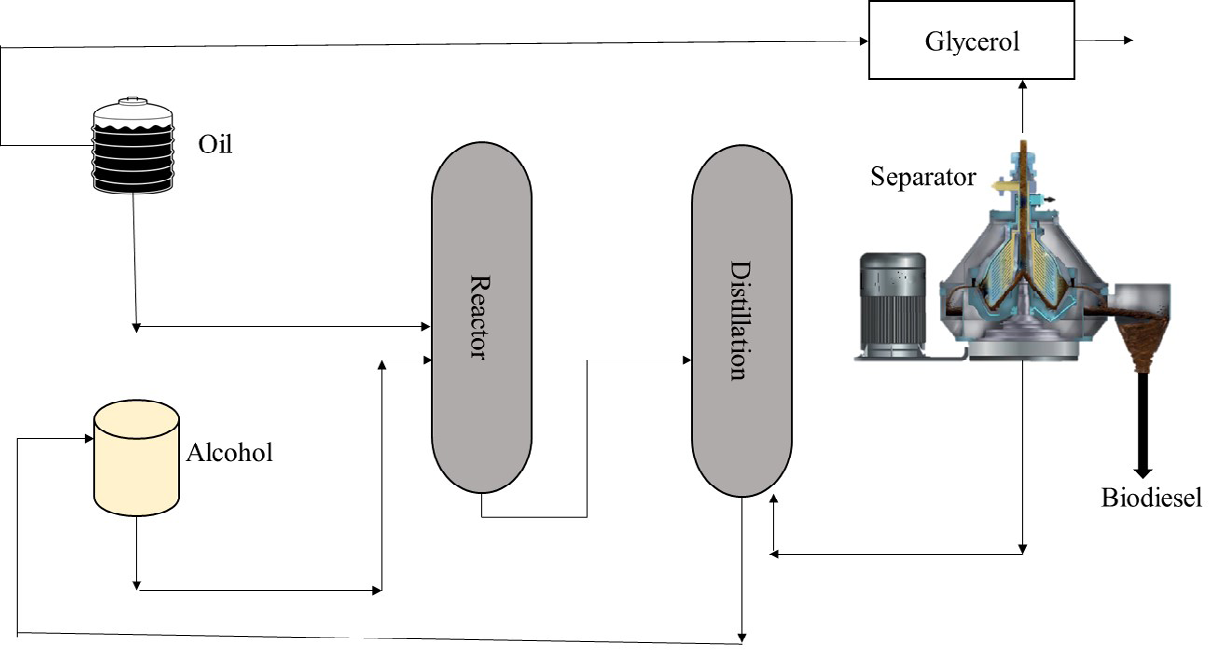
The reaction is reversible, and by eliminating the glycerol produced as a byproduct, the equilibrium can be changed so that biodiesel is produced instead. Usually, either an acid catalyst, such as sulfuric acid (H2SO4), or an alkaline catalyst, such as sodium hydroxide (NaOH) or potassium hydroxide (KOH), will catalyze the process. Figure 5 represents the flow diagram of biodiesel production. The transesterification process involves the following steps:
- Pre-treatment: To eliminate impurities such as water, free fatty acids, and solid particles, the feedstock, which can be a vegetable oil, animal fats, or recycled cooking oil, is often first pre-treated. The effectiveness of the transesterification reaction is increased by this step.
- Mixing: Oil, alcohol, and catalyst are mixed in a reactor [7], and stirred there for about an hour at 60 °C [8]. In the presence of the catalyst, the pre-treated feedstock is combined with the alcohol (methanol or ethanol). Alcohol and triglycerides normally have a molar ratio of 3:1 to 6:1, depending on the circumstances and requirements.
- Reaction: The transesterification reaction is aided by heating and stirring the liquid. The catalyst aids in accelerating the process and boosting biodiesel production. The reaction normally takes place between 50 and 70 °C, though the precise circumstances can change.
- Separation: A two-phase system is created once the reaction is finished and the mixture is given time to settle. Glycerol and other byproducts are found in the lower layer, whereas the upper layer is made of biodiesel (FAME). Gravity or other separation techniques are used to separate the glycerol from the biodiesel.
- Purification: After the separation procedure, the biodiesel is purified because it could still have some contaminants, including catalyst residues. Washing with water to remove water-soluble contaminants and filtering to remove any remaining solid particles are common purification techniques.
- Final processing: Additional processing stages, such as drying to eliminate any remaining water and testing to make sure it satisfies quality requirements and specifications, may be applied to the purified biodiesel.
It’s vital to remember that, depending on the individual feedstock and desired qualities of the biodiesel, the transesterification reaction can be carried out using several variations of catalysts (alkaline or acid) and reaction conditions. Enzymatic transesterification is one alternative method of biodiesel generation that uses enzymes as catalysts rather than conventional chemical catalysts.
Catalyst Use in Biodiesel Production
The effectiveness, reaction rate, yield, and quality of biodiesel can all be affected by the catalyst used in its manufacturing. Alkaline and acid catalysts are the two major types of catalysts used in transesterification reactions to produce biodiesel.
Alkaline Catalysts (e.g., Sodium Hydroxide, Potassium Hydroxide)
- When compared to acid catalysts, alkaline catalysts often offer a higher rate of reaction. As a result, reaction times speed up, and output is increased.
- Alkaline catalysts can convert a considerable part of triglycerides into biodiesel thanks to their high conversion efficiency.
- Alkaline catalysts are efficient at producing biodiesel from feedstocks containing large levels of free fatty acids (FFA), such as used cooking oil or animal fats.
- Alkaline catalysts have the potential to create soap when they interact with leftover FFA and other contaminants. These soaps may need further purifying procedures and may result in emulsions or separation issues.
- Alkaline catalysts are corrosive, so the manufacture of biodiesel requires the use of corrosion-resistant materials.
Acid Catalysts (e.g., Sulfuric Acid, Hydrochloric Acid)
- Compared to alkaline catalysts, acid catalysts often have slower reaction rates, which can increase reaction times and decrease productivity.
- Acid catalysts can work in milder reaction environments, such as those with lower temperatures, which lower the energy requirements of the process.
- Acid catalysts are less successful at producing biodiesel from feedstocks with a high FFA level. They are frequently used in feedstocks with low FFA concentrations.
- Acid catalysts simplify the separation process by minimizing the amount of soap produced during the reaction, which lowers the risk of emulsion formation.
- Acid catalysts need corrosion to be carefully controlled using materials that are resistant to acid or corrosion inhibitors.
It’s important to note that additional catalysts, such as enzyme catalysts, are employed in the manufacture of biodiesel. Biocatalysts called enzymes can come from either plants or microbes. They are more expensive than conventional catalysts but have some benefits, such as specificity and kinder reaction conditions. The properties of the feedstock, the intended reaction conditions, and the scale of the process, the economics, and the desired biodiesel quality all have a role in the catalyst choice. Every catalyst has advantages and disadvantages, therefore it’s crucial to choose the right one based on your particular production needs.
Market Value of Biodiesel
Increasing energy demand worldwide made researchers look for an alternative renewable energy source that gave birth to biomass conversion to biodiesel. However, the demand for biodiesel has grown rapidly over the last two decades. Moreover, before and after COVID-19, potential growth was noticed across the globe. Figure 5.2 shows the global market value from 2019-2025 (predicted). From the graph (Figure 6), it can be seen that in 2019, the production was 41 billion liters. However, in the year 2020, a slight fall in production was observed due to the global pandemic situation. A linear increase in production is predicted till 2025 by the International Energy Agency [9]. However, several variables, including governmental policies, energy prices, environmental restrictions, and the general demand for renewable fuels, might affect the market value of biodiesel. These variables might fluctuate between geographical areas and have an ongoing effect on the market value of biodiesel.
![Figure 6: Production of biodiesel in 2019 and predicted value till 2025. Data are extracted from [9].](/fulltextimages/10482/fig_6.png)
Challenges
While biodiesel production offers numerous benefits, several challenges are associated with its production. Here are some critical challenges in biodiesel production are listed.
- Regional differences can exist in the cost and accessibility of suitable feedstocks for the manufacture of biodiesel. Conflicts over the production of food may result from divergent needs for agricultural commodities that affect the availability and cost of feedstock. For biodiesel to be widely used, a sustainable and consistent supply of feedstocks must be provided.
- The content and quality of different feedstocks can have an impact on how effectively biodiesel is produced. There may be high impurity concentrations in some feedstocks, such as used cooking oil or animal fats, necessitating additional processing stages or catalyst changes. The variety of feedstocks also presents logistical issues for processing and storage.
- Selecting a catalyst and optimizing it for efficient and economical biodiesel synthesis is a difficult challenge. The selection of a catalyst will rely on the composition of the feedstock, the required reaction conditions, and the scale of the operation. Different catalysts have different performance characteristics. Important factors to take into account are catalyst recovery, efficiency, and process compatibility.
- It is crucial for market adoption and compatibility with current diesel engines to guarantee consistent quality and adherence to biodiesel requirements. The integrity of biodiesel as a dependable and high-quality fuel is maintained through the use of quality control systems, certification programs, and standardized testing procedures.
- The biodiesel sector is significantly shaped by regulatory frameworks and policies. Market expansion and financial investment in the production of biodiesel can be facilitated by supportive policies including mandates, subsidies, and incentives. The growth of the biodiesel industry, however, can be hampered by inconsistent rules or a lack of long-term.
Conclusion
Since biodiesel is a renewable fuel source, the feedstocks used can be grown and harvested more quickly. It has a lower carbon footprint than diesel made from fossil sources. Because of its high lubricating, non-toxic, and biodegradable characteristics, biodiesel can improve engine performance while requiring less upkeep. Because biodiesel has a lower energy content than regular diesel, it may have an impact on fuel efficiency. The availability of feedstocks, production effectiveness, and overall sustainability of biodiesel might be enhanced via research and development, though. Overall, the production of biodiesel is promising as a clean and renewable fuel source, reducing greenhouse gas emissions, supporting energy diversification, and fostering a more sustainable energy future.
References
-
Plastics Europe’s Market Research and Statistics Group (PEMRG) (2019) Plastics-the Facts.
-
Ritchie H, Roser M (2018) Plastic Pollution. Our World in Data.
-
Huang Y, Bird RN, Heidrich O (2007) A review of the use of recycled solid waste materials in asphalt pavements. Resources Conservation and Recycling 52(1): 58-73.
-
Indian Road Congress (2013) Guidelines for the Use of Waste Plastic in Hot Bituminous Mixes (Dry Process) In Wearing Courses. Indian Roads Congress.
-
Behl A, Jain PK, Sharma G (2012) Study on waste polyvinyl chloride modified bitumen for paving applications. ARRB Conference.
-
Manju R, Sathya S, Sheema K (2017) Use of plastic waste in bituminous pavement. Int J ChemTech Res 10(8): 804- 811.
-
Sojobi AO, Nwobodo SE, Aladegboye OJ (2016) Recycling of polyethylene terephthalate (PET) plastic bottle wastes in bituminous asphaltic concrete. Cogent engineering 3(1): 1133480
-
Mishra B, Gupta MK (2018) Use of plastic waste in bituminous mixes by wet and dry methods. Proceedings of the Institution of Civil Engineers-Municipal Engineer, pp: 1-11.
-
Biswas A, Chaudhary K, Singh R, Tewari S, Singh S, et al. (2021) WASTE-WISE CITIES Best Practices in municipal solid waste management. NITI Aayog, pp: 246.
- Genetic Improvement of Nile Tilapia (Oreochromis niloticus): Advances in Selective Breeding and Genomic Approaches for Sustainable Aquaculture
- Microplastics, Contaminants, and Waste Hotspots: Divergences and Faults in Prioritizing Control Efforts
- Creating a Healthier, More Vibrant Open and Closed Aquatic Environment. A Submersible, Centrifugal Magnetically Affixed Current Changing Aquarium Pump
- An Attempt to Assess Alpha Diversity and Sample Size: Using the Ostracod Assemblages off Kumamoto Port, Japan
- Assessment of the Efficiency of Common Fishing Gears and Crafts Used at Mohananda River of Chapai Nawabganj, Bangladesh
- Fish Productivity and Biodiversity Status of Sundarban Mangrove in Bangladesh