
Investigate the Uses of Goats and Socioeconomic Impact of Peste des Petits Ruminant on Farmers Engaged in Diamond Mining in Tongo Field
Background: There is a paradigm shift in the uses of goats during the twenty-first century. In time past, people raise goats for prestige and festivals. Today, people rear goat for financial, spiritual, cultural, religious, mental and sacrificial purposes. Goat rearing has become a major source of income in Africa and Sierra Leone in particular. Goats are primary and immediate source of cash when it becomes herculean to get diamonds during mining. The illicit miners sacrifice brown goats before and during extraction to appease the spirits. Goat rearing becomes the industrial life -supporting machine for vast majority of illicit diamond miners and other business people in Tongo Field. Peste des Petits Ruminant is the major disease affecting most of the goats in Tongo Field. The study investigates the socioeconomic impact of Peste des Petits ruminant on goat farmers engaged in diamond mining in Tongo Field. The Objective: The objective of the research is to investigate the uses and measure the socio-economic impact of PPR disease on goat farmers in six sections in Tongo field Method: A semi-structured questionnaire was administered to 10 randomly selected household heads in each of the six sections. A blind ballot selector dips into a bag and select a number designated to receive questionnaire for interview. The selected person receive one questionnaire and complete or assisted by the interviewee. Informal discussion, desktop review and observational techniques were used to obtain additional information. Data collected was analyzed using SPSS and presented in form of tables, charts and graphs for proper interpretation. Result: Goat farmers in Tongo field six sections practice free-range 65%, and tethering 35%. The primary purpose of rearing goats is for income 100% and rituals 35%. The main challenge of goat rearing is PPR disease 100%, and the mortality ranges between 1-5 animals per family household at 53.3%. Conclusion: In conclusion, goat production is an important source of income to address both socio-economic, cultural issues, and emergencies, thereby reducing the harsh economic risk incurred from diamond mining.
Introduction
Goat (Capra hircus) was the first animal domesticated by man 10,000 years ago for consumption in the Fertile Crescent, Nomura, et al. [1]. The goat spread from western Asia to the rest of the world during the Neolithic agricultural revolution, playing an essential role in human civilization. They exist in most ecologies of the world, such as humid tropical rainforest, hot, desert, and cold hypoxic higher altitude regions [2].
The current world global goat population stands at One billion, Miller, et al. [3]. Asia holds the first position for the highest number of goats produced in the world, 579,151,616 (59.38%), followed by Africa 315,978,256 (35%) [2]. China, India, Pakistan, and Bangladesh have the largest goat population in Asia, while Nigeria, Sudan, and Kenya have the highest goat population on the African continent. The majority of goat owners in the developing world rear them solely for meat consumption, Dhanda, et al. [4]. The meat of goat is a good source of protein. It has health benefits such as low B12 and folate content, low-fat content, high calcium, magnesium and potassium, and low amount of saturated fatty acid and cholesterol compared to red meat. Goat milk plays a vital role in human nutrition in some developing countries, excluding Sierra Leone but consumed in Eastern Europe, the middle east, and South American. Goatskin is used in many countries to make gloves, bags, shoes, belts, caps, but mostly consumed in Sierra Leone. The small size of goat makes it easier to handle, manage and keep, but are more prolific than large ruminants [5]. The critical role of goats is grossly underexploited. Their contributions to the economy, food security, and livelihood, education, and communities go unnoticed.
The 2015 household census reveals 732,461 agricultural households, of which 539,304 (73.6%) rear animal. The livestock reared in Sierra Leone includes cattle, sheep, goat, chicken, pigs, ducks, rabbits, and Guinea fowl. A free-range management system is practiced in Sierra Leone to rear majority of these animals. Livestock survey conducted by F.A.O. in 2016 placed Chicken as the highest number of animals in Sierra Leone: chicken1, 956,630, goat 812,906, cattle 546,881, sheep 427,657, pigs 217,497 and duck 99,775.
The West African Dwarf goat is the most dominant species reared in Sierra Leone and is trypanotolerant. They are prolific and grow faster than most domesticated animals in the world [6]. In Tongo, goat enterprise contributes immensely to the socio-economic development and cultural lifestyle of people. Still, their production is mostly affected by Peste des Petits Ruminant (PPR), which in turn harms the livelihood of herders. Goats are used to pay school fees, and buy school materials at the beginning of each academic year. During emergencies in the home, where there is no immediate money, goats are captured and converted into readily available cash within a relatively short period with little or no consultations to settle these emergencies [7, 8, 9]. These emergencies may include; food for household consumption, bride prices, court or land disputes, unexpected medical bills, and sudden death of immediate relatives, friends, or family members (Roland Suluku personal observation, 2018). Goat owners sell their animals to buy simple tools for farming and mining operations, hire labor, buy planting materials, and sometimes food for work as well as support petty trading. The unique quality of getting readily available cash from sales of goat in communities where no commercial bank exist, gave goat the nickname “poor-man’s friend or mobile bank” [8].
People use goats to perform traditional ceremonies [10]. Tongo Field is a mining community; where people associate diamonds with underworld forces such as spirits and demons. As such, domesticated animals like goats are used in rituals to invoke spirits and demons to enable miners secure diamonds from their mining operations. This superstition has made goats luxurious in Tongo Field, thereby creating a lucrative source of income for rural people. Goats are among the most frequently used animals in funeral ceremonies in Sierra Leone. During the eleven years old civil war in the country, people held back most funerals because goats were all eaten and killed by rebels [11]. This cause people to delay funeral ceremonies until restocking of goats was done by the government and non- governmental organizations.
The actual value of goat is related to the socio-economic and cultural roles it plays in the fulfillment of individual, household, and community needs. For instance, in the Kpa- Mende land, all elderly men who are members of the Wonde Society must own goat, which the members use to pay fines when someone breaks the norms of the society. Goats are sometimes informally used as collaterals to secure credits and loans. The number of goats owned determines the social status and wealth of a person in the community. Also, goats are used during festive periods to welcome distinguished guests. They are used in worship and in invoking ancestral spirits in shrines and altars; and also offered as gifts to friends and loved ones as bride prices.
However, based on signs such as fever and unusual discharges from the eyes, nose, and mouth of animals, followed by lesions, diarrhea, and rapid death [7]. Pestes des Petit Ruminant (PPR) has hindered this enterprise by killing over 50-100% of these animals annually in different parts of the country and Tongo Field to be specific. This is in line with other research findings [7].
PPR is a highly contagious and generally fatal disease that causes high morbidity and mortality in goats than any animal species. Thus, the term “goat plague” was used to describe the condition [12]. PPR virus (P.P.R.V.), belongs to the genus Morbillivirus of the order Mononegavirales, Paramyxoviridae family, the same family as rinderpest virus of cattle and human Measles, Zahur, et al. [13]. The disease was first discovered in Côte d’Ivoire by Gargadennec, et al. [14]; it then progressed over time across Africa, the Middle East, and Asia Libeau, et al. [15]. The spread of the P.P.R.V. outbreaks has for a long time been related to social, cultural and economic activities such as conflicts, disasters, increased animal movement for commercial and trade purposes, cultural festivals, and change of husbandry practices, transhumance, and nomadic customs, seasonal climatic and environmental changes, Libeau, et al. [16]. In Sierra Leone, P.P.R.V. was first isolated in 2009 in an infected goat at Teko Central Veterinary Laboratory in Makeni in the Northern Province. PPR disease affected Animals in the country, which in turn, contracted the disease from the Republic of Guinea. Today the condition is present in almost all rural communities in Sierra Leone, including Tongo Field, based on blood samples analyzed using the Elisa technique.
The virus is transmitted through contact between infected animals and susceptible animals [17]. Large quantities of the virus shed through ocular-nasal discharges as well as watery diarrhea [18]. Sneezing and coughing from an infected animal can spread infection. Transmission can also occur through inhalation of droplets by animals in the vicinity of 10 meters. Also, fomites in contact with infected animals such as water, feed troughs, and bedding could serve as possible sources of infection.
The socio-economic impact associated with PPR disease is related mainly to the high mortality rate of the infection. Household income and food security is negatively affected by PPR. Diseased animals lose weight and by-product quality. These, in turn, lead to reduced market value. Farmers incur additional expenses in securing drugs and paying medical bills for treated animals. Farmers can also lose an animal or an entire herd, inflicting severe social disorder on affected households and communities. For food security, PPR can hinder cropping activities due to the lack of money to buy tools, planting materials, and to hire labor for the next cropping season, preventing animal herders from involving actively in crop production. The death of farm animals can also lead to a shortage of animal protein on the market, in communities and households. PPR impedes international trade, Elsawalhy, et al. [19]. That is why it is a prior urgency in global and regional livestock disease research and control programs [20, 21].
Aside from the nutritional contribution of milk and meat, goats provide sustainable sources of income in resource limited communities. They enable smallholder farmers to accumulate assets and invest in the education of their children, food production, and socio-economic and cultural wellbeing of their owners.
Materials and Methods
Study Area
The study was conducted in Tongo Field, which is located in Lower Bambara chiefdom, Kenema district, eastern Sierra Leone (Figure 1). Kenema district has an area of 6,053 km2 (2,337sqmiles), with a population of 609,873 comprising sixteen chiefdoms, including Lower Bambara. Tongo is twenty seven (27) miles from Kenema, the third capital city of Sierra Leone, and is eight miles from Panguma. It has an area of 60 sq miles (155.59 km2), with an estimated population of the size of 44,376. The district has the highest number of goats in the eastern province and fifth in the entire country.
Tongo field is subdivided into seven sections, namely, Kpandebu, Marvehun, Tongola, Sandeyama, Torgbobu, Bomie, and Boima. Mende is the predominant tribe in the town, with the other ethnic groups, including Temne, Limba, Mandigo, Fullah, and Kuranko, the majority of whom are Muslims, followed by Christians.
The primary economic activity in Tongo is diamond mining, followed by Agriculture. Crops cultivated include cash crops, such as cacao, and coffee, and subsistence rice cultivation and livestock production (goat, sheep chicken, and duck). It has one of the largest diamond fields in the country. Other informal sectors include petty trading, carpentry and blacksmithing accounts for good chunks of economic activities in the study area.
In Tongo, the dry season is hot and muggy and partly cloudy. The temperature varies from 66oF to 930F, with an annual rainfall of 9 months. Social services include schools (Primary and secondary), mosques and churches, and petrol/gas stations. There are a government health center and pharmacy and drug store, which makes Tongo the second largest town in the Kenema district.
Sample Size and Sample Selection
In this research, 60 respondents (goat rearing household herders) were randomly selected among those farmers that have experienced PPR outbreaks in the last three years. The survey took place in six sections (10 respondents per section) Kpandebu, Marvehun, Tongola, Sandeyama, Torgbobu, Bomie, and Boima in lower Bambara chiefdom in Kenema district. These interviewees actively participated in the survey of the socio-economic effects of Peste des Petits ruminant disease on goat farmers.
The research team selected all the six sections in Tongo Field and identified goat owners who have experienced PPR outbreaks in the last three years. Respondents per section were randomly selected [22].
Among goat rearers and household heads previously affected by PPR. A purposive, semi-structured random sampling method using a stratified questionnaire was developed to generate sufficient information tolerable to address the aims and objectives of the study.
Data Collection
A semi-structured questionnaire, informal interview, personal observation, and desktop survey were used to collect the research data.
The researcher used dissertations of a past student who have researched PPR, journals from the university library, and online utilizing an internet search engine and other reading materials relevant to the research.
Researcher engaged communities in focus group discussion, and used information generated to develop semi structured questionnaire. Three researchers administered the questioiare to goat rearers who have experienced PPR outbreaks in the past three years in the study area. Outspoken respondents identified during the focus group discussion were personally interviewed to get detailed information about the impact of PPR on goat owners. Researchers observed the animals, the behavior of community people, animal owners, and interviewees as they entered every community; these were documented and later incorporated into the research document. A desk survey conducted to review the relevant literature with the aim and objective of the study.
Data Analysis
Primary data collected from 60 respondents in 6 sections of Tongo Field in the lower Bambara chiefdom Kenema district were organized correctly and encoded into a Micro Soft Excel spreadsheet. Simple percentages, frequency distribution, and averages were done. Data from an excel spreadsheet was transferred into the Statistical Package for Social Scientists. Tables and graphs obtained were used to discuss data concerning the aims and objectives of the study. Qualitative data from focus group discussions and personal observation were incorporated into the quantitative data used in writing the final report.
Results
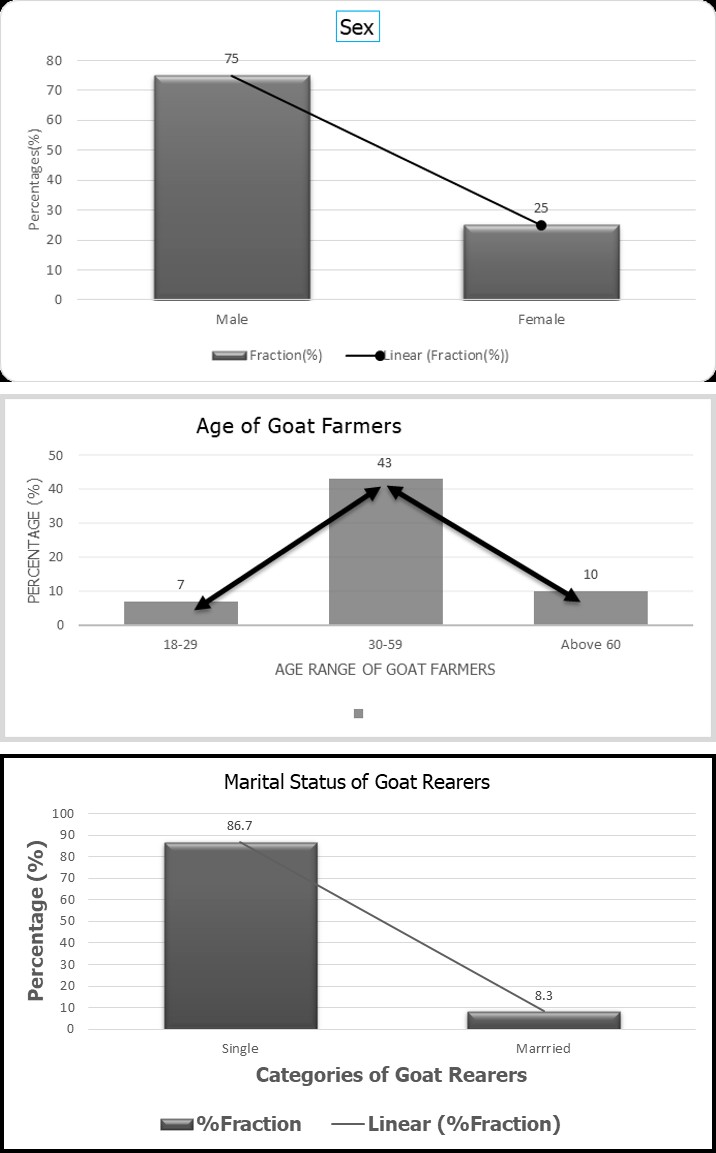
Figure 1a: Sex of Respondents.
Figure 1b: Age of Goat Farmers.
Figure 1c: Marital Status of Goat Rearers.
| Quantity | Fraction(%) | |
|---|---|---|
| Male | 45 | 75 |
| Female | 15 | 25 |
| TOTAL | 60 | 100 |
| 1b: Age Group | ||
| 18-29 | 7 | 11.7 |
| 30-59 | 43 | 71.7 |
| Above 60 | 10 | 16.6 |
| TOTAL | 60 | 100 |
| 1c: Marital Status | 3 | 5 |
| Single | 52 | 86.7 |
| Marrried | 5 | 8.3 |
| Others | 3 | 5 |
| Others | 60 | 100 |
| Household Size | ||
| 01-Apr | 4 | 6.7 |
| 05-Aug | 36 | 60 |
| 09-Dec | 12 | 20 |
| Above 13 | 8 | 13.3 |
| TOTAL | 60 | 100 |
| 1d: School Going Age | ||
| 01-Mar | 30 | 50 |
| 04-Jun | 21 | 35 |
| Above 6 | 7 | 11.7 |
| 2 | 3.3 | |
| TOTAL | 60 | 100 |
| Ethnicity | ||
| Mende | 33 | 55 |
| Temne | 5 | 8.3 |
| Fullah | 10 | 16.7 |
| Others | 12 | 20 |
| TOTAL | 60 | 100 |
Table 1: Showed Personal Attributes of Goat Rearers.
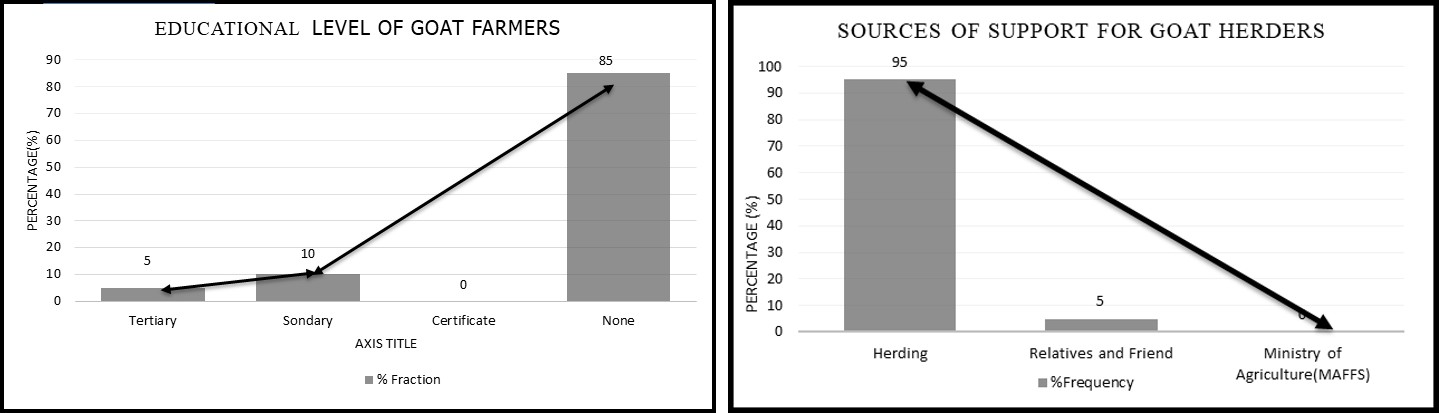
Figure 2a: Educational Level of Goat Herders.
Figure 2b: Sources of Support for Goat Herders.
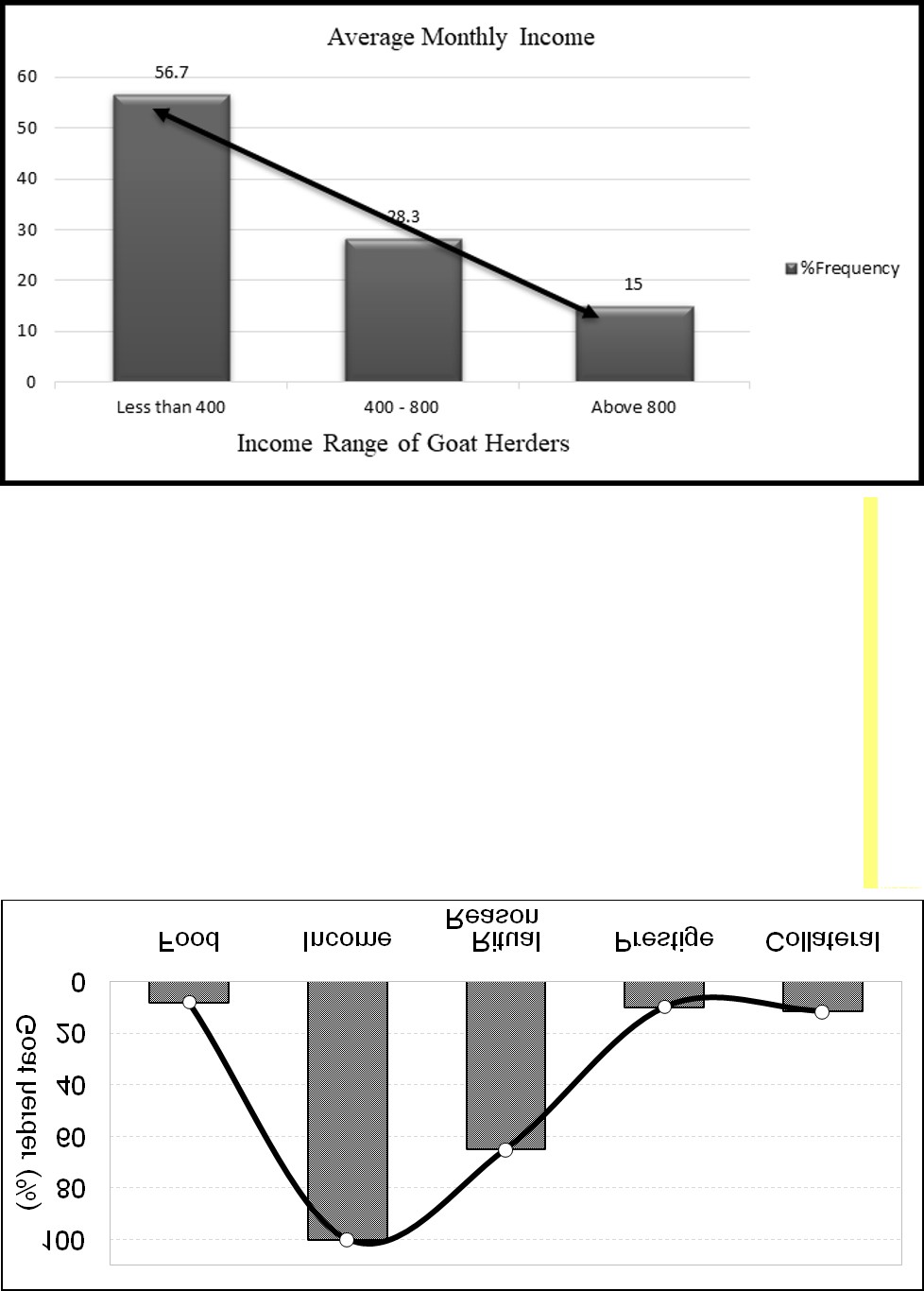
- Figure 2c: Average Monthly Income.
- 2a: Educational Level of Goat Herders
- Tertiary
- 3
- 5
- Sondary
- 6
- 10
- Certificate
- 0
- 0
- 51
- 85
- Total
- 60
- 100
- 2b: Sources of support to Goat Herders
- Quantity
- Fraction(%)
- Herding
- 57
- 95
- Relatives and Friend
- 3
- 5
- Ministry of Agriculture(MAFFS)
- 0
- 0
- TOTAL
- 60
- 100
- 2c: Avearge Monthly Income of Goat Herder
- Less than 400
- 34
- 56.7
- 400 - 800
- 17
- 28.3
- Above 800
- 9
- 15
- TOTAL
- 60
- 100
- 2d: Quantity of Goat Owned By Goat Herders
- 01-May
- 37
- 61.7
- 06-Oct
- 17
- 28.3
- Above 10
- 6
- 10
- TOTAL
- 60
- 100
Table 2: Reason for Rearing Goat, Management System and Major Challenges.
Figure 3a: Shows Reasons for Rearing Goats in Tongo Field.
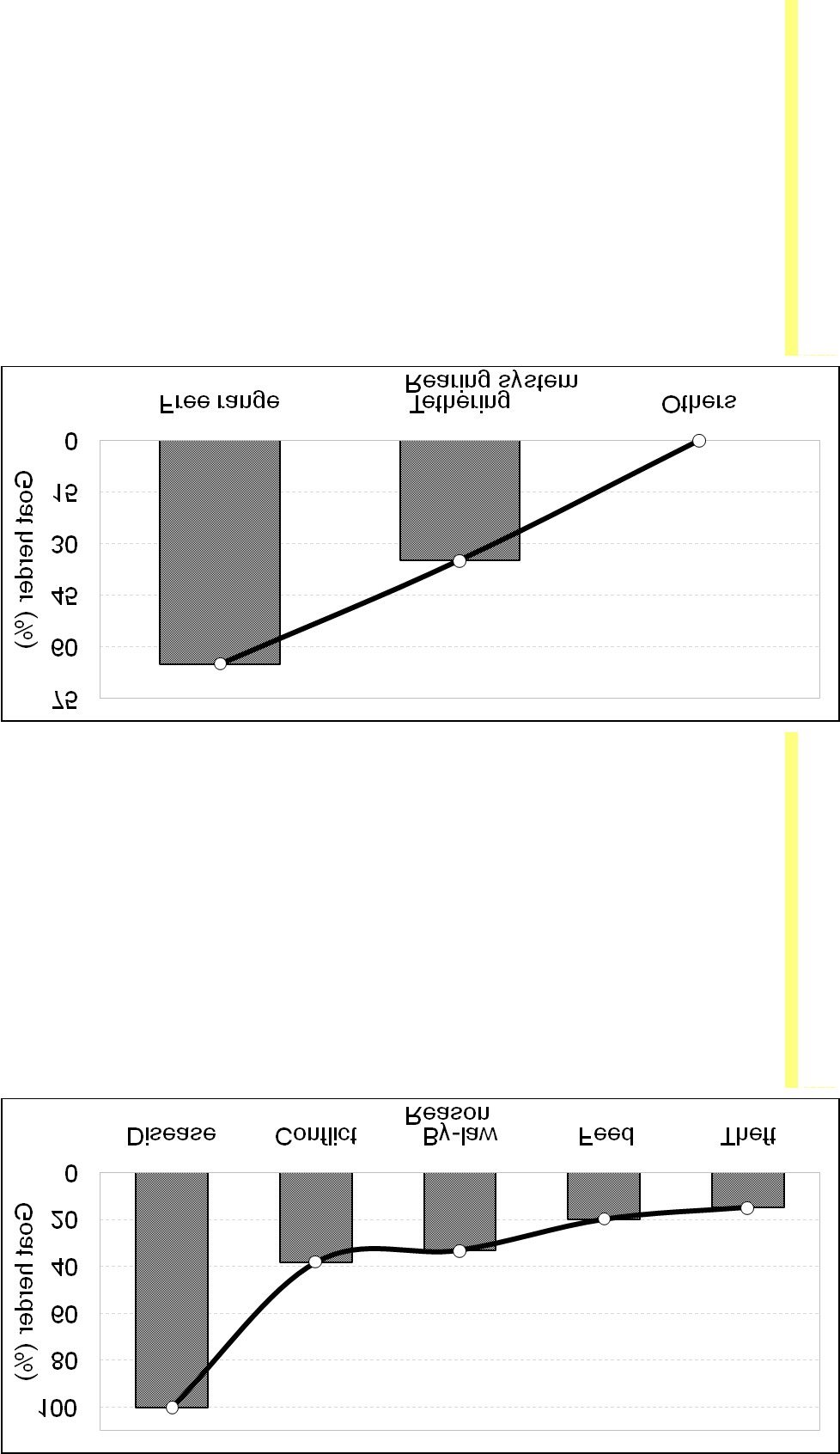
Figure 3b: Shows Systems of Rearing Goats in Tongo Fields.
Figure 3c: Shows Major Constraints and Challenges of Rearing Goats in Tongo Fields.
| Quantity | Fraction (%) | |
|---|---|---|
| Home Consumption | 2.56 | 4.27 |
| Raising Income | 30.77 | 51.28 |
| Rituals | 20 | 33.33 |
| Prestige | 3.08 | 5.13 |
| Collateral | 3.59 | 5.98 |
| TOTAL | 60 | 100.09 |
| 3b: System of Management | Quantity | Fraction (%) |
| Free range | 39 | 65 |
| Tethering | 21 | 35 |
| Others | 0 | 0 |
| Total | 60 | 100 |
| Measures to Control Disease | ||
| One Week Isolation of Foreign Goat | 6 | 10 |
| Three Days Separation of alien Goat | 15 | 25 |
| No Action | 39 | 65 |
| TOTAL | 60 | 100 |
| 3c:Majorn Challenges | ||
| Conflict | 11.13 | 18.55 |
| Disease | 29.03 | 48.38 |
| Theft | 4.35 | 7.25 |
| By-laws | 9.68 | 16.13 |
| Feed | 5.81 | 9.68 |
| TOTAL | 60 | 99.99 |
Table 3: Reason for Rearing Goat, Management System and Major Challenges.
Figures 4: Diseases Affecting Goat Farmers and Impact of PPRV Disease on Goat Herders.
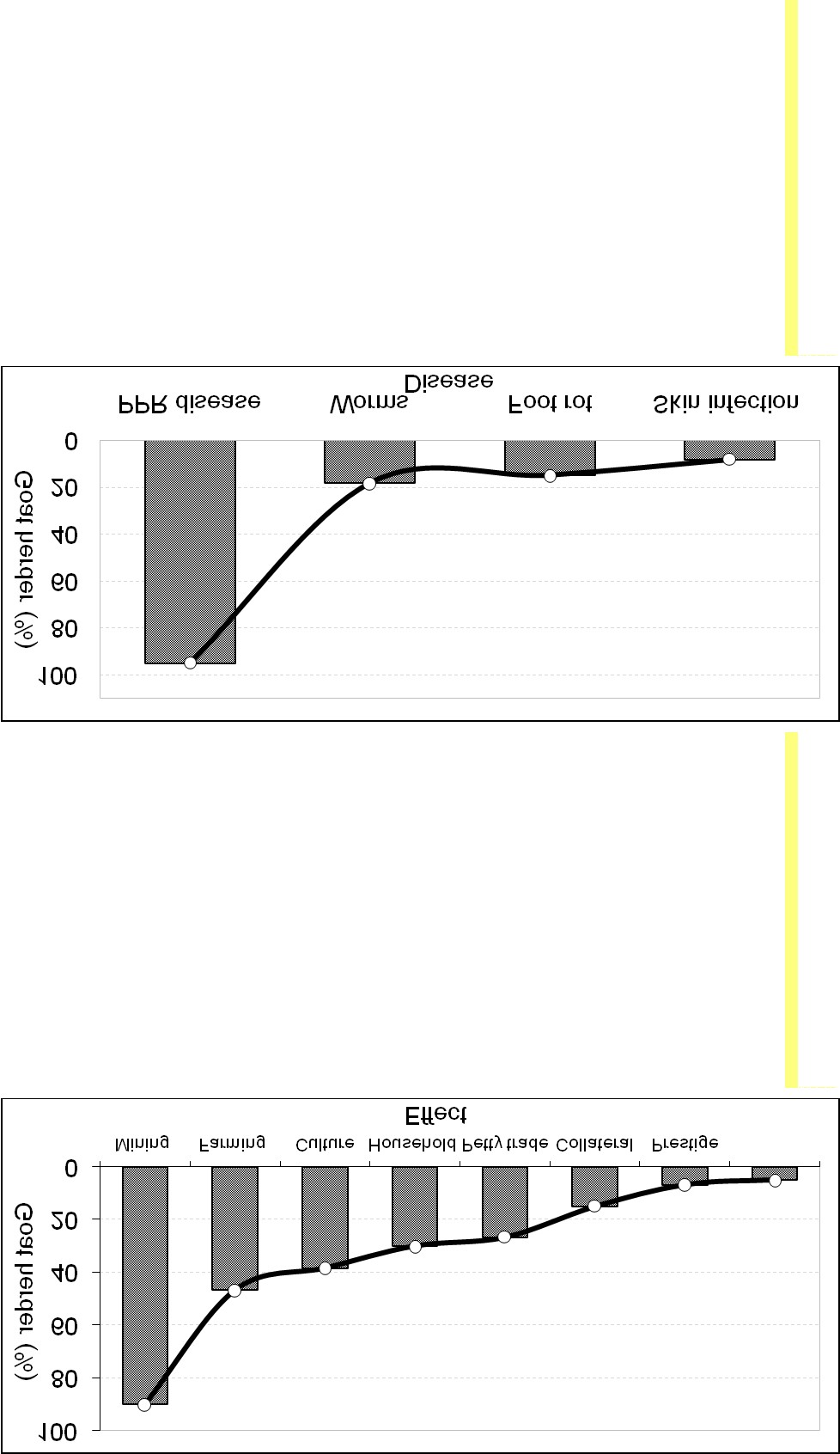
Figure4a: Shows Major Diseases Affecting Goats in Tongo Field.
Figure 4b: Impact of PPR disease outbreaks on goat herders in Tongo Field.
| 4a: Diseases That Affect Goats | Quantity | Fraction(%) |
|---|---|---|
| Skin Diseases | 5 | 8.3 |
| Peste Des Petits Ruminant | 40 | 66.7 |
| Foot Rot | 6 | 10 |
| Worms | 9 | 15 |
| TOTAL | 60 | 100 |
Table 4: Diseases Affecting Goat Farmers and Impact of PPRV on PPR Disease on Goat Herders.
- 4b:Impact of PPRV On Goat Herders
- Education
- 21
- 35
- Mining
- 11
- 18.3
- Farming
- 9
- 15
- Culture
- 7
- 11.67
- Household
- 6
- 10
- Petty Trader
- 4
- 6.67
- Collateral
- 1
- 1.67
- Prestige
- 1
- 1.67
- TOTAL
- 60
- 99.98
Table 5: Diseases Affecting Goat Farmers and Impact of PPRV on PPR Disease on Goat Herders.
Discussion
Personal Information on Goat Herders
The Majority of goat rearers in Tongo fields are men, 45(75%), and females, 15(25%). Most men buy and own the animals, but women and children take care of the animals. In a traditional home in Sierra Leone, everything belongs to the husband. Female goat owners are mostly widows who lost their men during the eleven-year-old civil war and Ebola. They have the right to own animals, but when they remarry, the animals belong to the husband. This is contrary to the Findings of Sow et al. 2021, which indicates that a greater proportion of goat farmers in the area of study in Senegal are females.
Goat rearers in the Tongo field lie between the ages of 30-59, represented by (71.7%). These active working groups engaged in Diamond mining as a significant source of employment and income. Tongo Field is the bread basket of Sierra Leone and witnesses a high influx of young people from every part of the country to earn quick cash in this diamond-rich community. From 1950 to 1980, people obtained diamonds through surface mining, but today people use excavator machines to get diamonds buried deep under the earth’s surface. Illicit miners find it challenging to obtain diamonds nowadays. People, therefore, invest in goat rearing as a fast way to get cash. As such, diamond miners invest in goat rearing when they get diamonds and sell their goats when they need money. Goats have now become the new saving bank in the diamond-rich town. Other categories aged above 60 years (16.6%) are mostly older people who are widows or widowers. They rear goats as a significant source of daily income for survival, while some do it as a hobby. Age range between18-29 (11.7%) also rear goats mainly for the family or relatives and few as a hobby.
Goat rearers in the Tongo field are primarily singles, represented by 52(86.7%), and married couples, 5(8.3%) and others 3(5%). The high numbers of singles involved in goat rearing are young men, widows, and divorcees. Most young men leave their homes with their friends and relatives, searching for diamonds for the rich diamond town of Tongo fields. Due to difficulty getting diamonds, they resort to investing the little money they earn in goats as a savings bank. Most women who lost their husbands during the war also engage in goat rearing as the goat is readily sold in Tongo. Diamond miners sacrifice goats (Brown) before mining and removing gravel to extract diamonds. They sacrifice goats before washing the gravel because they believe diamonds are spirits, and offering a goat will please the spirits, letting you have diamonds. The Majority of the miners believe in this philosophy, and as such, goat rearing is a lucrative business in this diamond-rich town. Divorce is common among married couples in the Tongo field. People marry and remarry when they obtain diamonds. Equally, women leave their husbands during difficult times and remarry to other men who have received diamonds. People have concluded that “Marriage in diamond mining communities is unreliable”; some young men invest in goat rearing rather than engage in temporal marriage. Married couples 5(8.3%) rear goats mainly for security reasons such as to pay school fees, buy uniforms and settle domestic emergency problems. The other 3(5%) represent goat traders or caretakers of goats owned by distant relatives.
Many families in Tongo Field have 5-8 (60%) and 9-12 (20%) dependents, mainly due to the extended family system, which sees diamond miners as the family’s breadwinners. As such, the entire family depends on the diamond miner for their survival, which dictates many dependents per family household. Others have more than 13 (13.3%) dependents.
In Africa, the extended family system is critical, and everyone tries hard to sustain their families. As such elderly sons who are the family’s breadwinners are sometimes sent by their families to look for diamonds to support their families in Tongo Field.
A total of 30(50%) goat herders have 1-3 school-going children, while 21(35%) have 4-6, and 7(11.7%) have above six school-going children. Since most diamond miners are the breadwinners of their families, they have many dependents from the extended family system to cater for their survival. Diamonds obtained from mining are used in education, farming, health, and emergencies in the family. When diamonds become scarce, the family head starves for funds to support the family. The majority invest in goat rearing as a means of sustaining the family. Goats and sheep become the immediately available means of earning money.
The main predominant ethnic tribes in Tongo Field comprise Mende 33(55%), Fullah 10(16.7%), Temne 5(8.3%), and others 12(20%). Tongo is located in the Mende land. Hence a high percentage of the people are Mendes. The Fullahs and Temnes are business people and therefore found throughout the country where business flourishes like Tongo Field. The other 20 percent represents the remaining 12 ethnic tribes in a combined percentage. There is no tribal or ethnic problem in Sierra Leone, and inter-tribal marriages do occur, preventing tribal conflict.
Personal Information of Goat Herders
The majority of goat farmers in Tongo Field had no formal education, represented by 51(85%), while those with secondary and tertiary education are represented by 6(10%) and 3(5%), respectively. Sow et al. 2021 also affirmed that majority of herders lack formal education in the study area. The lack of formal education in rearing goats creates a massive problem in their management. As a result, they cannot adequately plan increased production and expand their businesses. The problem is compounded by the lack of training of goat herders by the government and other organizations in the country, which has resulted in the death of many goats across the country, including Tongo. Goat farming will be a lucrative business in Tongo Field if the government can provide technical training for its members.
Goat herders used income from the sales of diamonds to start an animal-rearing business in the project area. Most goat herders don’t save their earnings in commercial banks but invest by buying and rearing goats. Diamond miners are constantly looking for diamonds in new locations and do not have investment or collateral security to obtain loans from the banks. Moreover, the high-interest rate prevents them from getting loans. Such a Weak financial position of herders makes it challenging to raise a large number of goats and even pay for their treatment. The uncertainty of obtaining diamonds makes it extremely difficult for the majority to engage in goat farming. However, those who rear goats do so through their efforts 57(95%) and relatives and friends 3(5%) [25, 26, 27, 28, 29, 30].
Goat herders earn less than Le 400,000.00 (USD$40) per month 34(56.7%), while 17(28.3%) and 9(15%) earn Le 400,000.00 and Le 800,000.00 respective. However, a few farmers, 9(15%), earn above Le 800,000.00 [31, 32]. A combined total of 85% of low-income earners underscore the difficulty in providing appropriate care (feeding, housing, medication) for the animals, hence the high animal disease incident in the region [33, 34, 35]. Goat rearing is a profitable enterprise in Tongo Field, and the possibility exists for increased production through appropriate education and financial support. However, most goat herders do not take goat rearing as a major activity 54(90%), and those that take it as a major activity 6(10%) [36]. It implies that most goat herders have other sources of income but use goats as an alternative source of income. Income generated from the sale of goats is used to pay school fees, enter a secret society, and hire farm labor, invest in diamond mining operations, cultural and traditional rites, and family household expenditures, thus enabling people to save money for other developmental projects [37, 38].
The table2 above shows that most goat herders owned 37(61.7%) household herds. The low number of household herds, with 17(28.3%) having 6-10 goats and 6(10%) having above ten goats per household herd. The low number of goats per household herd is due to the lethal effects of the PPRV disease outbreak in the last two years. The negative experience has put many people out of goat rearing, while those continue to keep only a small number of goats for fear of the PPRV outbreak. There is a need to restock and train goat farmers in sound animal husbandry practices and raise awareness in communities on PPRV disease.
Reasons for Rearing Goat
Table 3a shows reasons why people rear goats in Tongo Field. The main reason is to generate income, represented by 30.77(51.28%). Farmers here see goat farming as a “mobile bank” that could be readily converted into cash to meet emergencies and household expenses such as buying tools for diamond mining and paying for their food and salaries. While at the same time using such procedures to pay school fees. Goats are also sold to buy food during the lean period. Most farmers use the income from goat sales to hire farm labor and purchase simple farm tools and planting materials. Goat farmers in Tongo don’t believe in keeping their hard- earned income in commercial banks due to their level of education.
The sale of goats increases in November and December due to the initiation of boys and girls into Poro and Bondo secret societies. Funds from the sale of the goat are also used to start and continue petty trading when people lack the starting capital, or when a storm sets into the finances of the finances.
Another reason why people rear goats in Tongo Field is to perform rituals 20(33.33%), particularly when they want to start mining in a new location, and also when they want to wash gravels mined to obtain diamonds. Other uses include traditional ceremonies in marriage and naming children. Other people rear the goat for prestige and collateral 3.08(5.13%) and 3.59(5.98%) respectively, while those who raise the goat for consumption are represented by 2.5(4.27%). This implies that goat rearers do not eat goats as a significant source of protein but only do so during the festive season.
System f Management
Table 3b depicts the system of goat rearing by households in sampled areas. Some 39(65%) of 60 farmers used the Free-range management system, while 21 (35%) tethered their goats. This is in line with findings in other research [23]. Free range system is most apt for goat rearing because they travel 3-4 miles every day in search of food while eating a particular plant once in 3-4 weeks. Thus, goats thrive well under the free-range system. However, the increasing population has reduced the grazing areas of goats in most rural communities. The major disadvantage of the free- range system is theft and damage caused to crops. People have resorted to another system of management known as tethering. Here the goat is tied to a rope around a peg, pole, or post. Tethering is more secure than the free range but also prone to stealing, particularly when the animal is far removed from the owner’s vicinity. The two systems carry considerable risk, as both systems are prone to diseases. A single infected animal can transmit the disease to the rest of the community. However, people take specific measures to control the disease by separating newly brought animals into the community for a week 6(10%), some do it for three days 15(25%), and others take no action 39(65%). Isolation of newly brought goats from existing ones in the community for three weeks will help significantly prevent recently introduced animal from contracting or spreading diseases among the herds in the community.
Challenges
There are several challenges facing goat farmers in Tongo field; key among the lot are diseases 29.03(48.38%), the conflict between crop farmers 11.13(18.55%), lack of by- laws 9.68(16.13%), lack of feed, particularly during the dry season 5.81(9.18%) and theft 4.35(7.25%). Peste des Petits Ruminant Virus is a significant disease killing most goats in Tongo Field. Such disease has put many goat rearers out of business, their children drop out of school, diamond mining has collapsed, and petty trading has stopped. Conflicts frequently exists between goat and crop farmers, but this is often resolved between families, while by-laws are inactive and not enforced. There is an acute shortage of feed for goats during the dries, particularly tethered goats; this is not the case for free-range goats, while thieving is on the increase, mainly when miners go without diamonds for months.
Diseases that Affect Goats
Table 4a and Figure 4a show diseases that have affected goats in Tongo Field in the last two years (2015-2017). Figure 4a shows that 40(66.7%) of the 60 respondents say PPRV affect their goats. PPRV is the most singular disease that has killed almost 100% of goats in Tongo in the past two years; the situation was reported in other parts of the country with similar mortality rates. Farmers in Tongo Field do not know how to control and prevention PPRV, nor do they get any assistance from the Government or private institutions. PPRV has taken most goat farmers out of business in Tongo Field. Other diseases of importance after PPRV are worms 9(15%), Foot rot 6(10%) and mange (5(8.3%) respectively. People usually control and manage foot rot using local methods, but they cannot detect worms in goats. Although these are minor diseases, PPRV is a major killer and therefore requires intervention to help the people of Tongo Field and other communities in the countries.
Table 4b and Figure 4b shows the impact of PPRV on goat herders in the study area. About 32(53.3%) lost between 1 to 6 goats, while 19(31.7%) lost between 6-10 goats, and 6(10%) lost above ten goats. The relatively low losses show that herds’ size per Famer was relatively small, but the percentage of death per herd size (mortality) was very high. The number of respondents was small compared to the total number of goat rearers in the area.
Conclusion
Animals are primary protein sources for human consumption and play a critical role in our development process. Aside from these contributions, animals are valued as contributors to man’s spiritual, social, economic, cultural, and traditional lives in the 21st century. The study assesses uses and the socio-economic impact of Peste des Petits Ruminants (PPR) Disease on goat farmers in Tongo Field, Lower Bambara Chiefdom, and Kenema District in Eastern Province of Sierra Leone. The study covers 60 goat farmers in six goat-rearing communities in lower Barbara chiefdom in Kenema District.
The study shows that goat production is a critical enterprise that has immense socioeconomic benefit in the livelihood of the rural poor and affects every aspect of their lives. These include cleansing rituals before mining, farming, household expenses (school fees), petty trading, and traditional ceremonies to invoke ancestral spirits to bless them with more diamonds.
The benefit derived from goats is, in one way or the other, affected by the introduction of PPRV disease into the study area. The goat farmers are aware of the morbidity and mortality caused by PPRV but have no means to prevent, treat or eliminate the disease among goat herds. The risk factors identified were free-roaming goats in the dries, the introduction of foreign animals into the herds without quarantine measures, and limited knowledge about PPRV and management practices. There is, therefore, a need for intervention by relevant authorities such as the private sector, government agencies, Community based organizations, and Local and International Non -Governmental Organizations. The situation could be exacerbated if authorities fail to intervene, with negative repercussions on the livelihood of the rural poor, national development, and economic and social stability.
References
-
Nomura K, Yonezawa T, Mano S, Kawakami S, Shedlock AM, et al. (2013) Domestication process of the goat revealed by an analysis of the nearly complete mitochondrial protein-encoding genes. PloS one 8(8): e67775.
-
Faostat (2013) Goat population in the world.
-
Beth A, Miller, Christopher D (2019) Current status of global dairy goat production: an overview. Lu2 Asian- Australas. J Anim Sci 32(8): 1219-1232.
-
Dhanda JS, Taylor DG, Murray PJ (2003) Growth, carcass and meat quality parameters of male goats: effects of genotype and liveweight at slaughter. Small Ruminant Research 50(1-2): 57-66.
-
Kristina LC, Arbelado GS, Peggy GB (2017) Goat production in El Salvador: A focus on animal health, milking hygiene and raw milk quality. Journal of food quality.
-
Saliki JT (2016) Overview of Peste des Petits Ruminants Athens. Veterinary Diagnostic Laboratory, University of Georgia.
-
Suluku R, Macavoray M, Moiwo JP, Koroma BM (2018) The Effect of PPR disease on socio-economic characteristics of farmers in Moyamba District, Sierra Leone. Agricultural Science Research Journal.
-
Linderot de Cardona K, De Gracia Scannapieco A, Braun PG (2017) Goat Production in El Salvador A Focus on Animal Health, Milking Hygiene, and Raw Milk Quality. Journal of Food Quality. Article ID 8951509.
-
Imana CA (2008) Goat rearing as a livelihood strategy of Turkana Pastoralists in north-west Kenya. Master Thesis, The University of the Free State, Bloemfontein, South Africa.
-
Tadesse D, Urge M, Animut G, Mekasha Y (2014) Perception of households on purpose of keeping, trait preference, and production constraints for selected goats in Ethiopia. Tropical Animal Health and Production 46(2): 363-370.
-
Green and Green (1995) World Bank Review.
-
Berhe G (2006) Development of Dual Vaccines for the Control of Peste des Petits Ruminants and Capripox Infections of Small Ruminants. PhD thesis. Institut National Polytechnique de Toulouse, France.
-
Zahur AB, Ullah A, Irshad H, Farooq MS, Hussain M, et al. (2009) Epidemiological investigations of a Peste des petits ruminants (PPR) outbreak in Afghan sheep in Pakistan. Pakistan Vet J 29(4):174-178.
-
Gargadennec L, Lalanne A (1942) La peste des petits ruminants. Bull Serve Zoo tech Epi zoot Afr Occid pp: 16- 21.
-
Libeau G, Diallo A, Parida S (2014) Evolutionary genetics underlying the spread of Peste des Petit Ruminants virus. Animal Frontiers 4(1): 14-20.
-
Libeau G, Kwiatek O, Lancelot R, Albina E (2011) Peste des Petits Ruminants, growing incidence worldwide. The OIE and and its partners 2: 52-54.
-
Munir M, Zohari S Berg M (2013) Molecular Biology, and Pathogenesis of Peste des Petits Ruminants, Springer, Berlin pp: 1-152.
-
CFSPH (2008) Peste des Petits Ruminants-CFSPH Technical Disease Fact Sheets 26(1): 1-18.
-
Elsawalhy A, Mariner JC, Chibeu D, Wamwayi H, Wakhusama S, et al. (2010) Pan African strategy for the progressive control of Peste des Petits Ruminants (Pan African Strategy). Bulletin of Animal Health and Production in Africa 58(3): 185-195.
-
Domemech J (2013) Peste des Petits Ruminants Development of a global PPR control Strategy Introduction Workshop on PPR prevention and control in SADC Region 10=12 June 2013 Dar es Salam Tanzania.
-
Soumare B (2013) Pan African Program for the Control & Eradication of PPR: A Framework to Guide & Support the Control and Eradication of PPR in Africa AU-IBAR and AU-PANVAC Joint Proposal 5th Pan African CVOs Meeting, Abidjan.
-
Karidjo BY, Wang Z, Boubacar Y, Wei C (2018) Factors Influencing Farmers’ Adoption of Soil and Water Control Technology (SWCT) in Keita Valley, a Semi-Arid Area of Niger. Sustainability 10(2): 288.
-
Agossou DJ, Dougba TD, Koluman N (2017) Recent Developments in Goat Farming and Perspectives for a Sustainable Production in Western Africa. International Journal of Environment, Agriculture and Biotechnology 2(4): 2047-2051.
-
Bates B (1992) Bargaining for life: A social history of tuberculosis. 1st ed. Philadelphia: University of Pennsylvania Press.
-
Akréo D (2007) Evaluation Des Parametres De Reproduction Chez La Chevre Du Sahel Inseminee Artificiellement Dans La Region De F a t i c k . Thèse vétérinaire. Université Cheikh Anta DIOP, Dakar- Sénégal. Ecole Inter-Etats Des Sciences Et Medecine Veterinaires (E.I.S.M.V.) N°39 pp: 109.
-
Fountain H (2014) For Already Vulnerable Penguins, Study Finds Climate Change Is Another Danger. The New York Times.
-
Holst PJ (1999) Recording and on-farm evaluations and monitoring: breeding and selection,”Small Ruminant Research 34(3): 197-202.
-
Huynen MMTE, Martens P, Hilderlink HBM (2005) The health impacts of globalization: a conceptual framework. Global Health 1(4): 3-14.
-
Kihu SM, Gitao CG, Bebora LC, Njenga MJ, Wairire GG, et al. (2012) Participatory risk assessment of Peste des petit ruminants. Factor analysis of small ruminants’ pastoral management practices in Turkana district, Kenya. Research opinions in animal & veterinary sciences 2: 503-510.
-
Magott J, Skudlarski K (1989) Combining Generalized Stochastic Petri Nets and PERT Networks For The Performance Evaluation Of Concurrent Processes. Proceedings of the 3rd International Workshop on Petri Nets and Performance Models. IEEE Xplore Press, Japan pp: 249-256.
-
Milhour FD, Ronong TF (1998) Health and Nutrition. In: Leverve X., Cosnes J., Erny P., Hasselmann M., editors. Adult artificial nutrition. Paris, USA, pp: 415-432.
-
Multimedia (videos, movies, or T.V. shows).
-
Munir M (2014) Role of wild small ruminants in the epidemiology of Peste des Petits Ruminants. Transbound Emerg Dis 61(5): 411-424.
-
Niedermeyer S, Eiden M, Toumazos P, Papasavva- Stylianou P, Ioannou I, et al. (2016) Genetic, histochemical and biochemical studies on goat TSE cases from Cyprus. Veterinary Research 47: 99.
-
Rahman MS, Islam MS, Sultana MS, Kabir F (2015) Study on Prevalence of Peste Des Petits Ruminants (PPR) in Goats. Bangladesh Res Pub J 11(1): 54-58.
-
Singh RP, Saravanan P, Sreenivasa BP, Singh RK Bandyopadhyay SK (2004) Prevalence and distribution of Peste des Petits Ruminants virus infection in small ruminants in India. Rev Sci Tech 23(3): 807-819.
-
Sow F, Camara Y, Traore EH, Cabaraux J, Missohou A, et al. (2021) Characterisation of smallholders’ goat production systems in the Fatick area, Senegal. Pastoralism: Research, Policy and Practice 11: 12.
-
Wells A (1999) Exploring the development of the independent, electronic, scholarly journal. M.Sc. Thesis, the University of Sheffield.
- California Red-Legged Frog and Non-Listed Amphibians Response to Non-Native Fish Removal
- Industrial Standardization of the Bio-OS: Algorithmic Codification of Resilience Engineering Guidelines and Version V8 Architecture
- Climate Variability and the Sustainability of Snail Farming in Nigeria: Past Trends, Present Challenges and Potential Outlook
- The Evaluation of the Surveillance System of Anthrax in Gilgit-Baltistan, Pakistan, 2018
- Natural Decline to Extinction of A New Zealand Rabbit Population
- Mitochondrial Bio-Logistics: Steering Co-Enzyme Q10 and Lycopene Synergies within the Science 4.0 Bio-OS Framework