
Audiological Findings and Aided Performance in Individuals with Auditory Neuropathy Spectrum Disorder (ANSD) – A Retrospective Studys
Auditory neuropathy spectrum disorder (ANSD) is a neurologic disorder that is present with a variety of characteristics and one of the common management options include hearing aids however, in cases of advanced ANSD with severe to profound hearing loss they would require cochlear implants (CI) for better hearing although the literature is uncommon. Therefore, this study focuses on how CI is an option for children with ANSD. A total of 21 children who are diagnosed to have ANSD and after CI surgery were subjected to aided audiometry with the use of standardized Tamil sentences. Compared to data collected using hearing aids individuals indicate that CI performs lower than hearing aid but with lower consistency which can be attributed to the presence of multiple participants with lower degree of hearing losses. But the present study does shows that use of CI is in fact beneficial in patients of ANSD with severe to profound hearing loss.
Introduction
From the time auditory neuropathy spectrum disorder (ANSD) was discovered, researchers have explored its audiological characteristics and management. The term ANSD is used in line with a recommendation by a clinical review panel at the Consensus Conference on Auditory Neuropathy/Dyssynchrony, Como, Italy, in June 2008. Diversity in patients’ auditory perceptual ability and lesion site have led to difficulties in clinical management. Hearing aids as a rehabilitation option in individuals with ANSD have been criticized since they are designed to compensate for the loss of outer hair cells rather than temporal dyssynchrony resulting from neural dysfunction. Studies concerning the effect of hearing aids on outer hair cell function have shown variable results. Although a few studies have reported outer hair cell disruption in children using high-gain hearing aids, there are other reports of normal outer hair cell function even after long term hearing aid use. Furthermore, the presence or absence of otoacoustic emissions as an indicator of outer hair cell integrity has not been found to be related to hearing thresholds or speech perception abilities. Despite contradictions regarding the utility of hearing aids for individuals with ANSD, several studies have reported benefits from hearing aids in a few cases that involved elevated thresholds, leading to recommendations that ANSD patients should be fitted with hearing aids [1].
The presence and the use of cochlear implants has been around for many years and studies done by Colleti et al 2004 have shown benefit from the use of cochlear implants. The use of CI in ANSD patients have been found. However, these studies were carried out with small groups each having less than 5 participants, underlining how the utility of hearing aids needs to be established on a larger sample size [2, 3, 4, 5, 6].
Starr A, et al. [7] carried out a study on a larger sample of 10 subjects noted that 8 had associated peripheral neuropathy and all patients had progressive hearing impairment that probably resulted from the neuropathic condition. The progressive nature of late onset ANSD has also been noted to result in poor aided performance in adults. The current study focuses on how CI is an option for children with ANSD. In addition, the relation between audiological test findings (PTA, SIS under headphones, and SIS in a sound-field) and aided performance were also investigated.
Methods
Participants
The data of the participants were taken from the Department of Audiology at MERF Institute of Speech and Hearing Pvt Ltd, Chennai. A total of 21 children were selected after the administration of audiological test battery to diagnosis the presence of ANSD. The details are displayed in Table 1. The All patients had an ‘A’ type tympanogram and absence of acoustic reflexes bilaterally. Distortion Product evoked otoacoustic emissions (DPOAEs) were present in all participants. None had auditory brainstem responses (ABRs) in either ear. Otological examination revealed that all cases had normal middle ear function. Neurological examination indicated that most had no signs and symptoms of any peripheral neuropathy or space occupying lesion. Only 4 cases had symptoms of spinocerebellar ataxia. All cases had no earlier experience with the use of hearing aids. The age of the participants ranged from 7-16 years with a mean age of 13.7. They were enrolled in Auditory Verbal Therapy and were completed at least 6 months of therapy program. Aided responses were taken using a speaker in a free field setting and were asked to respond to a standardized word list [8].
Procedure
Initially, unaided performance was obtained for each participant using the phonemically balanced word test in Tamil. Stimuli were presented at 40 dB HL through a loudspeaker placed at 0° azimuth. The aided performance was obtained using a procedure similar to that of the unaided evaluation. Aided testing was done separately and in cases that showed no aided improvement were counselled regarding the use of communication strategies. The aided trial lasted 20–30 minutes, including determining speech perception and the patient’s preference [9].
| Number | Percentage | |
|---|---|---|
| Gender | ||
| Male | 14 | 66.6 |
| Female | 7 | 33.3 |
| Symmetrical/Asymmetrical | ||
| Symmetrical | 19 | 90.4 |
| Asymmetrical | 2 | 9.5 |
| Auditory Brainstem Response/ Acoustic Reflex | ||
| Present | - | |
| Absent | 21 | 100 |
Table 1: Audiological Details of the Participants.
Results
Aided Improvement
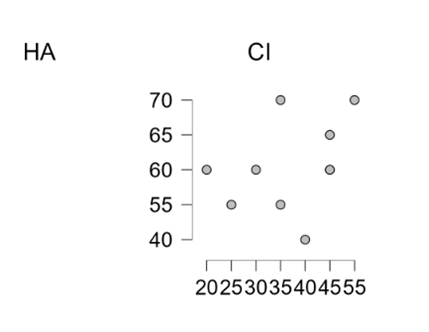
The difference between aided and unaided performance revealed that hearing aids gave improved perception in 21 participants. The aided improvement ranged from 4% to 52%, with a mean score of 19.1±14.0%. It should also be noted that with hearing aids, the device resulted in a mean improvement of 29% (±13.6%) while in those using body level hearing aids, it improved only by 16.5% (±9.3%) Jijo PM, et al. [10]. Unaided and Aided SIS performance The relation between SIS under unaided and aided performance was also investigated using Pearson’s product moment correlation. It was found that there was a significant positive correlation between the two variables (r=0.75, p<0.01). When this was compared with hearing aids however, Pearson’s product moment correlation revealed that there was a weak positive, though significant, correlation between the unaided sound field SIS and the aided improvement (r=0.25, p=0.47). This correlation might be attributed to the patient demographics since the data for the hearing aid was taken from a previous study done by Jijo PM, et al. [10] where mild to mininal hearing loss patients were taken in account compared to CI patients of this study. The lack of correlation between the devices can be tested and seen in Figure 1.
Discussion
The variation in findings could be attributed to the presence of associated neuropathy and the progressive nature of the condition. Starr, et al. reported that 80% (8/10) of their patients had associated peripheral neuropathy and the remaining 20% were considered not to show signs of peripheral neuropathy due to the early stage of the condition. They observed that hearing loss progressed gradually and none of their patients improved with amplification. Additionally, the majority of them reported stable hearing thresholds and speech perception over a period of time. Hence, it can be construed that the non-progressive nature of hearing abilities in these cases might have resulted in the aided speech perception improvement. Shivashankar et al linked the absence of any associated neurological condition with the presence of stable hearing thresholds. It should also be noted that while ABI is an option, the criteria of a good auditory nerve in these cases provide a contraindication and with ANSD being a functional issue than that of structure, there is a lack of patients with ANSD with ABI that needs to be investigate [11].
It was found that there was a significant high positive correlation between SIS under unaided and the aided improvement. But the same could not be said for hearing aid and cochlear implant. The findings of Deltenre et al on a 6-year-old child with ANSD substantiate that unaided performance at a higher presentation level (70 dB) when compared to a lower presentation level (55 dB) was a good indicator of low-level aided performance. At the higher presentation level, the child’s performance was almost equal to that in the low-level aided condition. Thus, it can be concluded that patients who obtained higher SIS at suprathreshold levels would show improvement using hearing aids. The correlation analysis showed that there was no relation between degree of hearing loss and aided performance. The lack of correlation between degree of hearing loss and aided performance could have been on account of the high variability in performance obtained from individuals who had profound loss. Furthermore, it was observed that all patients who improved with hearing aids had mild to moderate hearing loss, whereas none with severe to profound hearing loss showed any improvement. Lack of aided improvement in adults with severe to profound degrees of hearing loss might be due to the greater impact of dyssynchrony [12].
Conclusion
The present study shows that use of CI is in fact beneficial in patients of ANSD and can provide a good result will be comparable or inferior to the use of hearing aid in terms of speech perception and general usability of the device. These diverging findings could be due to the lack of associated neuropathy and non-progressive nature of ANSD in our patients. However, factors other than peripheral neuropathy might influence the aided improvement in individuals with ANSD. Additionally, speech perception scores in noise could provide information about how those ANSD cases who have adequate speech identification scores in quiet might perform in noisy situations.
References
-
Starr A, Picton TW, Sininger Y, Hood LJ, Berlin CI (1996) Auditory neuropathy. Brain 119(3): 741-53.
-
Berlin CI, Hood LJ, Hurley A, Wen H (1996) Hearing aids: Only for hearing impaired patients with abnormal otoacoustic emissions. In: Berlin CI (Ed.), Hair Cells and Hearing Aids. Singular Publishing Group, pp: 99-112.
-
Trautwein PG, Sininger YS, Nelson R (2000) Cochlear implantation of auditory neuropathy. J Am Acad Audiol 11(6): 309-315.
-
Sininger Y, Oba S (2001) Patients with auditory neuropathy: who are they and what can they hear? In: Sininger YS, Starr A, (eds.), Auditory Neuropathy: A New Perspective on Hearing Disorders. San Diego: Singular- Thomson Learning, pp: 15-35.
-
Katona G, Buki B, Farkas Z, Pytel J, Simon-Nagy E, et al. (1993) Transitory evoked otoacoustic emission (TEOAE) in a child with profound hearing loss. Int J Pediatr Otorhinolaryngology 26(3): 263-267.
-
Rance G, Beer DE, Cone-Wesson B, Shepherd RK, Dowell RC, et al. (1999) Clinical findings for a group of infants and young children with auditory neuropathy. Ear Hear 20(3): 238-252.
-
Starr A, Sininger YS, Pratt H (2000) The varieties of auditory neuropathy. J Basic Clin Physiol Pharmacol 11(3): 215-230.
-
Deltenre P, Mansbach AL, Bozet C, Christiaens F, Barthelemy P, et al. (1999) Auditory neuropathy with preserved cochlear microphonics and secondary loss of otoacoustic emissions. Audiology 38(4): 187-195.
-
Berlin CI, Hood LJ, Morlet T, Wilensky D, Li L, et al. (2010) Multi-site diagnosis and management of 260 patients with auditory neuropathy/dyssynchrony (auditory neuropathy spectrum disorder). Int J Audiol 49(1): 30- 43.
-
Jijo PM, Yathiraj A (2012) Audiological characteristics and duration of the disorder in individuals with auditory neuropathy spectrum disorder (ANSD) – a retrospective study. JISHA 26(1): 17-26.
-
Young ED, Sachs MB (1979) Representation of steady- state vowels in the temporal aspects of the discharge patterns of populations of auditory-nerve fibers. J Acoust Soc Am 66(5): 1381-1403.
-
Van Tassel DJ (1993) Hearing loss, speech and hearing aids. J Speech Hear Res 36(2): 228-244.
- 4th Branchial Cleft Sinus Anomaly Presenting as Recurrent Thyroid Abscess in A Child: A Case Report
- Parotid Duct Injury Repaired Using an Angiocatheter Stent: A Case Report
- Organization and Functionality of the Referral and Counter-Referral System for ENT Disorders in District Hospitals of N’Djamena, Chad: A Cross-Sectional Analytical Study
- Facial Metastases from a Gastrointestinal Stromal Tumor: A Case Report
- Panorama of Ent Cancers and Literature Review: Epidemiological Profile and Therapeutic Management
- Could Antimicrobial Resistance Prove to Be Both a Threat and an Opportunity for us?