
Carbonate and Sandstone Reservoirs in CO2 Sequestration: Assessing Porosity and Permeability for Enhanced Storage Potential
Geological sequestration of carbon dioxide is one of the most efficient mechanisms to reduce atmospheric greenhouse gases. The potential of carbonate and sandstone reservoirs, which predominate in almost every part of the world, will be determined by the respective geological properties. This paper mainly underlines the porosity and permeability-dependent storage capacity and injectivity and trapping mechanism but emphasizes the complexity of the carbonate reservoir and predictability of sandstones. High-resolution imaging, digital rock physics, and AI-driven models would mark the innovation of the characterization and storage efficiency at the reservoir level. Practical insights emanating from the Sleipner and Weyburn-Midale projects outline several problems, including perhaps permeability loss, risk of leakage, and cost concerns. New approaches in hybrid reservoir systems and advanced monitoring are suggested to overcome these problems. Thus, a potential route for safer and more efficient CO₂ storage matched to reservoir-specific characteristics would be presented.
Mohsin S¹* and Muhammad Raees Khan²
¹Department of Petroleum & Gas Engineering, Liaoning University of Petroleum and Chemical Technology, China ²Department of Petroleum & Gas Engineering, University of Engineering and Technology (UET), Lahore, Pakistan
Introduction
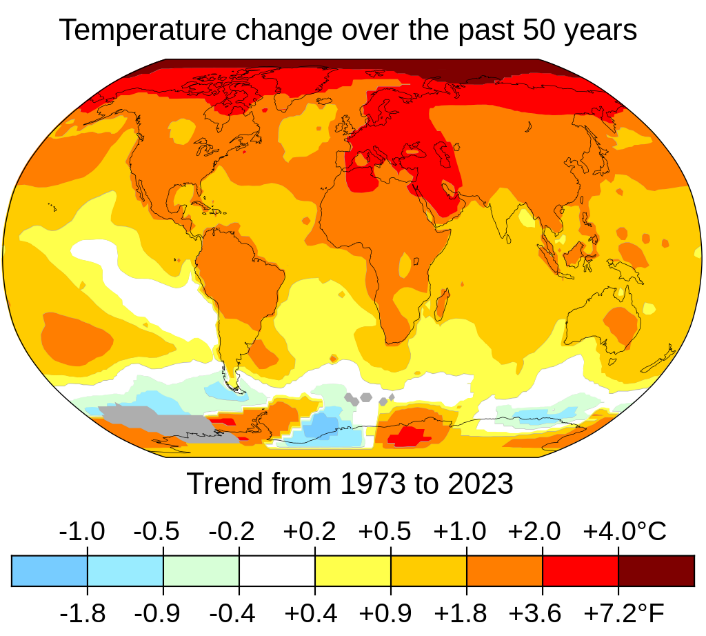
Today, some of the most pressing challenges of the 21st century are global warming and climate change (Figure 1), induced largely by the growth of carbon dioxide (CO₂) concentration in the atmosphere from fossil fuel combustion [1]. Carbon capture and storage (CCS) has been attracting attention as a key technology to mitigate industrial CO₂ emissions [2] as nations and industries compete to meet net zero carbon targets. In practice, CCS converts CO₂ emissions from sources including power plants, refineries, and industrial facilities into a technology that enables reduced CO₂ pollution released into the atmosphere, thereby limiting environmental impact [3].
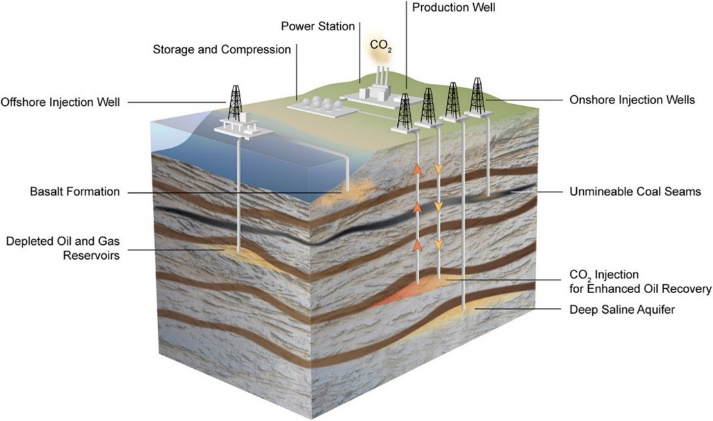
The CCS strategy involves the geological storage of CO₂ with injected captured CO₂ deep into subsurface formations (Figure 2). Among these formations are depleted oil and gas reservoirs, saline aquifers, and unmineable coal seams that can act as potential solutions for permanent storage of large volumes of CO₂ [4]. Carbonate and sandstone reservoirs have been among these, as they are highly abundant and relatively accessible, and geological conditions allow for such storage [5]. Yet effective CO₂ storage requires careful evaluation of each formation’s properties to ensure the security and economy of the storage procedure [6].
Near CO₂ sequestration, both porosity and permeability are key parameters that control the storage capacity and injectivity of a reservoir [2]. This determines how much CO₂ can be stored in a rock reservoir, called porosity: the percentage of volume in the rock that is void space. Higher porosity means a higher capacity of mustering into the available pore spaces and, accordingly, a greater volume of CO₂ fills a given volume of pore space [7]. It turns out that permeability, the ability for fluids to flow through the rock’s pore network, has more to do with the rock’s native structure than the stress environment or the presence of natural fractures. The ability of CO₂ to be injected depends on the permeability of the formation and how the injection rate and spatial distribution of the residual CO₂ are affected [8].
While both carbonate and sandstone contain reservoir potential as storage solutions, they differ in porosity and permeability due to differences in mineralogy, sedimentary processes, and diagenetic history [4]. Calcium carbonate (CaCO3) and magnesium carbonate (MgCO3) minerals are the chief constituents of carbonate formations, including limestones and dolostones. Since these minerals will react with CO₂ at subsurface conditions, this process is called mineral trapping. The mineral trapping method is a highly stable form of storage in which CO₂ chemically reacts with minerals to form solid carbonates, which minimizes the risk of CO₂ leakage continuously [6]. Nevertheless, carbonate reservoirs are usually represented by heterogeneous porosity and permeability, such that these properties are very different between wells on a single formation. Complex diagenetic processes that carbonate formations undergo including dissolution and recrystallization, which could produce a patchy distribution of pore spaces, and alter fluid flow paths within the reservoir [9] cause this heterogeneity of carbonate formations.
However, sandstone reservoirs which are composed largely of quartz and feldspar minerals tend to have more predictable flow behavior in terms of CO2 flow; their porosity and permeability distributions are more uniform [10]. High permeability values associated with sandstone reservoirs facilitate CO₂ injection and migration into the formation. Yet sandstones are less chemically reactive with CO₂, limiting mineral trapping extent relative to carbonate formations [8]. As sandstones primarily undergo structural and residual trapping, CO₂ is trapped within pore spaces of the rock by capillary forces, or physical confinement beneath cap rocks that are impermeable to CO₂ [11]. While these mechanisms are effective for CO₂ storage, such permanence as they offer depends on careful management [7].
The processes that drive CO₂ storage in carbonate versus sandstone reservoirs are different enough that understanding the nuances thereof is crucial to achieving maximum efficiency and security of CO₂ storage efforts. Mineral trapping may be desired, in which case carbonate formations may be better for CO₂ storage, while high injectivity and storage predictability may be desired, in which case sandstone formations may be better for a CO2 project [1]. Furthermore, the use of geological characterization techniques, including seismic imaging, core analysis, and petrophysical logging, is used to evaluate the reservoir suitability for CO₂ injection, providing better information for CO₂ injection strategy decisions [12].
This review will critically review the roles porosity and permeability play in the carbon dioxide storage potential of carbonate and sandstone reservoirs. We will use recent studies, field data, and modeling approaches to evaluate the ranges of (i) each reservoir type; (ii) interactions between CO₂ and mineral cage; and (iii) limitations concerning CO₂ injectivity, migration, and trapping. This review endeavors to provide insights into coalescing geological CO₂ sequestration formation optimization, accelerating CCS schemes, and generally advancing the effort to achieve sustainable climate change mitigation.
Mechanisms of CO2 Sequestration
Structural, residual, solubility, and mineral trapping mechanisms form the basis of CO₂ sequestration and collectively they lock the injected CO₂ in the geological structures at different time horizons. They all work under particular geochemical, physical, and geological conditions, which affect their performance. It elaborates on these mechanisms more intensively focusing on their processes, relevant factors, and examples from practice. Figure 3 shows the mechanism of structural trapping, Residual trapping, Solubility trapping, and Mineral trapping with time.
Structural Trapping
Mechanism: The first and naturally the most fundamental of the containment strategies that are applied to the CO₂ is structural trapping. It arises when, as a result of evolution, CO₂, being lighter than the formation water, pushes its way through the channels of a reservoir until it reaches a seal – the cap rock. This cap rock, which may be shale, claystone, or other low permeability lithology facies, mechanically contains the CO₂, thus, limiting its migration further upward [13, 14]. The CO₂ sometimes finds inhabitants in the structural traps, including the anticlines, fault-bounded closures, and stratigraphic traps.
Influencing Factors: • Cap Rock Integrity: The efficiency of structural trapping is therefore determined by the thickness and overall tightness of such a cap rock. Zoback MD, et al. [15] also state that if there are micro fractures, faults or the seal is insufficient the CO₂ will leak out. • Reservoir Geometry: The size and nature of the lateral transition affect the amount that the structure can store. For instance, dome-shaped anticline structures can store more CO₂ than stratigraphic pinch-outs according to Juanes R, et al. [16]. • Faults and Fractures: Based on available fault characteristics such as sealing quality and stress, these faults can either hinder or facilitate the migration of CO₂. Fault-bounded traps are possible if faults stay locked during injection pressures, they make sense [17]. • Example: The Sleipner project in the North Sea is a better example of Structural trapping. The CO₂ injected into the Utsira Sandstone Formation is trapped mostly by a cap rock that is made of thick shale. Long-term CCS monitoring through continuous seismic analysis has verified that the CO₂ plume is still confined within a trap with no leakage observed over the last twenty-two years of the pilot operation [18].
Residual Trapping
Mechanism: Residual trapping causes CO₂ to be fixed in the porosity of the reservoir as fluids move out of the region during migration and are replaced by water. A gas phase beneath the wetting phase holds capillary forces that allow for small droplets or ganglia of CO₂ to be retained in the pore throats but no further [16]. This process also improves storage security because the CO₂ is no longer reactive and immobile regardless of the instability of the trapping structures or solubility of the CO₂.
Influencing Factors: • Pore Size Distribution: Pore sizes that are smaller and in some cases more uniform improve the forces of capillarity and therefore the efficiency of the technique of residual trapping as noted by Kampman N, et al. [8]. • Wettability: Residual trapping dominates in water-wet systems where CO₂ is in the form of a non-wetting phase and gets trapped in the pore throat [10]. • Reservoir Permeability: High permeability enables more effective distribution of CO₂ improving the possibility of residual trapping. • Example: Residual trapping is also most efficient in sandstone reservoirs where there is a good connectivity of the pore network. For instance, investigations of the Cranfield CO2 sequestration in the United States showed that in residual trapping, large amounts of CO2 were immobilized; pore structure and wettability influence storage effectiveness [19].
CO₂ Interaction with Carbonate and Sandstone Reservoirs
Understanding how CO₂ will stay trapped over the long term in carbonate and sandstone reservoirs depends on how well CO₂ interacts with the mineral components of the reservoirs. Within these processes of fluid-rock interaction, processes such as mineral dissolution and precipitation affect the porosity, permeability, and stability of the stored CO₂ [8, 11]. Moreover, the geochemical stability of the reservoir under CO₂ rich conditions is strongly dependent upon the mineralogical differences between carbonate and sandstone formations [2, 4]. These interactions dictate the mechanisms of trapping CO₂ in particular, mineral trapping in carbonate formations that don’t play as much of a role in sandstones.
![Figure 3: Mechanisms of CO2 trapping with time [4].](/fulltextimages/13575/fig_3.png)
Solubility Trapping
Mechanism: CO₂ dissolves into the formation water to form a denser aqueous phase and CO₂ trapping is called solubility trapping. It starts almost right away after injection and extends through the long term. The denser CO₂ saturated water moves due to gravity segregation within the reservoir, reducing mobility and decreasing storage security [2].
Key Reaction:
CO2 (gas) + H2O→ H2CO3 (Carbonic Acid)
This carbonic acid dissociates partially into bicarbonate (HCO3 −) and carbonate ions (CO3 2−), further enhancing stability.
Influencing Factors: • Temperature and Pressure: CO₂ solubility in water is increased with higher pressures and lower temperatures [6]. • Salinity: CO₂ solubility decreases with increasing salinity, but is mitigated in reservoirs with moderate brine concentration [13]. • Mixing Efficiency: It enhances solubility trapping by increasing mixing between CO₂ and formation water. • Example: Effective solubility trapping was demonstrated in CO₂ injected into a deep saline aquifer in the In Salah project in Algeria. As the CO₂ plume was injected, over time, increasing portions of the CO₂ plume dissolved into the formation water, improving the security of the storage site [11].
Mineral Trapping
Mechanism: Among the CO₂ sequestration forms, mineral trapping is permanent and most geochemically stable. The process is one where dissolved CO2 reacts chemically with reservoir minerals, forming carbonate minerals including calcite (CaCO3) and dolomite (CaMg(CO3)2). It is slow, occurring over decades to centuries but results in long- term CO₂ immobilization [8].
Key Reactions:
Formation of carbonic acid: CO2+ H2 O→H2CO3
Reaction with calcium ions: H2CO3+ Ca{2+} →CaCO3+ 2H+
Influencing Factors: • Mineral Composition: Mineral trapping occurs well in high concentrations of carbonate-rich reservoirs such as calcite and dolomite. • Geochemical Conditions: The rate and reach of mineral reactions are influenced by temperature, pressure, and pH. For instance, carbonate precipitation [17] increases with higher temperatures. • Water Chemistry: Providing divalent cations such as Ca2+ and Mg2+ Effective mineralization [9] also relies on concentration in the formation of water. Example: Mineral trapping is highlighted through the Weyburn- Midale CO₂ sequestration project in Canada. Here, we report that injected CO₂ reacted with calcite and dolomite in the carbonate reservoir to form stable solid carbonates, which not only improved storage security but also reduced leakage risk [7, 8].
Summary of Mechanisms
Immediate containment is through structural trapping dependent on cap rock integrity. CO₂ is residual trapped within pore spaces which makes the caramelization occur for medium term duration. CO₂ solubility trapping decreases the mobility of CO₂ in formation water integrating it through longer scales of time. Although the mineral trapping of CO₂ into stable carbonate minerals serves as temporary storage, the mineral trapping ultimately leads to permanent sequestration of CO₂. While operating synergistically, each mechanism uniquely contributes to CO₂ storage security.
Fluid-Rock Interactions: Mineral Dissolution and Mineral Precipitation
When CO₂ is injected into a reservoir it dissolves in formation water to form carbonic acid (H₂CO₃). As with most acidic environments, minerals of the rock are liable to dissolve and reprecipitate reactions, as well as dissolution. Over time these processes can change porosity and permeability and enhance or reduce host reservoir capacity and injectivity [6, 10].
Mineral Dissolution
Carbonate Reservoirs: Highly reactive with acidic solutions are carbonate minerals such as calcite (CaCO₃) and dolomite (CaMg(CO₃)₂). The reaction of these minerals with carbonic acid dissolved when CO₂ dissolves in formation water is facile. Secondary porosity generated from this reaction can improve the reservoir’s CO₂ storage capacity [9, 10]. But carbonate dissolution can also create a nonsystematic pore structure and flow path, which may complicate the CO₂ injection and distribution. The advantages of the dissolution of carbonate minerals include enhanced storage and the additional disadvantages arising from unpredictable changes in permeability p [17, 11].
Sandstone Reservoirs: Therefore, quartz (SiO₂) rich sandstone is chemically stable and chemically reacts very little with carbonic acid, so dissolution is also minor. Despite this, Alfred [6] reports that sandstones often contain other minerals such as feldspars and clays which are more susceptible to dissolution. Thin sections reveal that when feldspar or clay minerals dissolve, secondary porosity can form, creating a higher storage potential and injectivity of the reservoir. Higher feldspar content sandstones may show some porosity enhancement but highly quartzose sandstones are relatively stable in CO₂ rich environments [4, 10].
Mineral Precipitation
Carbonate Reservoirs: Dissolved carbonate minerals precipitate as calcite or dolomite when the pressure or temperature changes, or when they are oversaturated. In this precipitation, pore spaces can be clogged [11]. Precipitation is good for keeping CO₂ from seeing the light of day, as it is converted into a solid carbonate form and trapped, making it difficult to inject and distribute. Mineral precipitation over time may form “self-sealing” zones that increase storage security at the expense of precise control of injection pressures [17].
Sandstone Reservoirs: The reason quartz is stable, and will not precipitate in response to CO2, is that quartz is stable, but other minerals in sandstone - calcite or clays, for example — could precipitate in the pore spaces. In formations with high clay content, CO₂ flow can be hindered by precipitation, which can reduce permeability and affect CO₂ flow, in particular in formations with swelling clays, which might plug pore throats. In general, precipitation is less extensive in sandstone formations because of the lower mobility of quartz [2, 6].
Geochemical Stability in CO₂-Rich Environments Comparison of Reactivity of Carbonate and Sandstone
Long-term CO₂ storage depends on the geological stability of the reservoir, a geochemical stability that dictates the reservoir durability and reliability of CO₂ retention [8, 12]. Carbonate Reservoirs: • Advantages: Mineral trapping (stable storage of CO₂ in carbonate minerals as solid carbonate minerals such as calcite), supported by the reactivity of carbonate minerals, is one of the forms through which CO₂ can be stored. This transformation fixes CO₂ into a mineralized form, stopping its migratory propensity out of the reservoir [9, 12]. • Challenges: Such rapid carbonate mineral dissolution can increase porosity and create unpredictable flow paths, resulting in a lack of CO₂ distribution control. Secondly, the continuous dissolution and precipitation cycles can lead to fragmentation of the rock matrix, which may implicate structural integrity [6, 17].
Sandstone Reservoirs: • Advantages: This stability of quartz in CO₂ rich environments means that sandstone reservoirs can maintain initial porosity and permeability much more efficiently than carbonates leading to more predictable and controllable CO₂ storage [4, 10]. • Challenges: The chemical stability of quartz limits changes to the reservoir structure, but it also limits the trap potential. Therefore, the main mode of CO₂ storage trapping in sandstone reservoirs relies on structural and residual trapping mechanisms of potential uncertainty compared to mineral trapping [5, 20].
CO₂ Sequestration Implications
CO₂ sequestration in carbonate and sandstone reservoirs implies fluid-rock interactions and the geochemical stability of these systems. However, carbonate reservoirs have the advantage of mineral trapping and a stable, long-term storage solution, while sandstone reservoirs have greater predictability and injectivity because they are inert quartz [1, 12]. The understanding of these interactions is particularly important for designing site selection and injection strategies to guarantee the operation and security of CO₂ sequestration projects [21].
Enhanced Storage Potential Analysis
The storage of CO₂ in geological formations demands a firm understanding of the different trapping mechanisms and their sensitivity to the environment. CO₂ sequestration in carbonate and sandstone reservoirs is characterized by unique consequences and difficulties dependent on the ability of these reservoirs to support different trapping mechanisms — structural, residual, solubility, and mineral trapping [4, 6]. Empirical data from recent technological advancements, as well as case studies are also essential to optimizing these formations for CO2 storage [5].
Factors that Control CO₂ Trapping Mechanisms
Both immediate and long-term CO₂ containment in geological formations requires CO₂ trapping mechanisms. The performance of each mechanism depends on the duration of time for which injection takes place, and on the properties of the reservoir’s physical and chemical makeup [2, 8].
Porosity and Permeability • Mechanisms: Porosity, which corresponds to the empty spaces of lack of matter within geological formations, determines the possible storage capacity for CO₂ [4]. The measure of rock’s ability to allow fluid movement would determine injectivity and ease of CO₂ distribution; it is called permeability [8]. • Processes: Increased pressure from CO₂ injection can influence the permeability of the reservoir through dissolution or precipitation, thus affecting the distribution of CO₂ in the reservoir [6]. It is known that interactions between CO₂ and brine in the reservoir affect residual trapping efficiency at the microscopic level [16]. • Example: The Sleipner Project in the North Sea highlighted the need for porosity levels of 35–40% and permeability for effective migration and storage of CO₂ [14]. In the case of the Cranfield Project, increased interconnectivity in sandstone pores enhanced residual trapping efficiency [19].
Cap Rock Integrity • Mechanisms: Cap rocks act as barriers, preventing the upward movement of CO₂, depending on their lithological structure, thickness, and structural stability [15]. • Procedures: Indeed, injection pressures could produce mechanical stresses that cause fractures compromising the cap rock [13]. For example, CO₂ can chemically interact with minerals in cap rock, either strengthening the seal by inducing mineral precipitation or weakening it through dissolution [11]. Examples: At Sleipner, the shale cap rock retained CO₂ containment more than two decades ago, according to seismic monitoring [18]. The In Salah Project in Algeria was challenged with problems prone to microfractures that compromised the structural strength of the cap rock, thus portraying one of the challenges of seal integrity in a high-pressure environment [17].
Trapping Mechanisms Trapping mechanisms immobilize CO₂ at different stages, which lead to secure storage over time:
Structural Trapping • Mechanism: Since it is buoyant, CO₂ buoyantly floats under the impermeable cap rocks [13]. • Example: The structural traps in the Utsira Formation at Sleipner have shown long-term CO₂ retention without leakage [14]. Residual Trapping • Mechanism: Capillary forces hold CO₂ in pore spaces when trapped in small droplets or ganglia [16]. The Cranfield Project observed high residual trapping in sandstones, where pore structures are highly connected [19]. Solubility Trapping • Mechanism: The CO2 dissolves in the formation of water, thus forming a denser, less mobile phase [11]. Solubility trapping in the In Salah Project resulted in increasing the long-term stability of the stored CO₂ by reducing its mobility [17]. Mineral sequestration • Mechanism: CO₂ reacts with the minerals of the reservoir to produce stable carbonate minerals, hence permanently stored [2]. At Weyburn-Midale, the carbon dioxide was in contact with calcite and dolomite; hence, mineral trapping increases the stability of storage [7].
New Horizons and Emerging Technologies
Hybrid Reservoir Systems • Concept: The combination of carbonate and sandstone reservoirs unlocks the injectivity of the sandstone and the mineral trapping capability in the carbonates [11]. • Benefits: Sandstone allows for efficient injection of carbon dioxide, and carbonate reservoirs provide long- term security through stable storage [2]. • Research Requirements: Modeling interactions between sandstone and carbonate strata in enhanced storage capacity [22]. • Field tests, probing interlayer connectivity and long- term performance [6].
Digital Rock Physics (DRP)
Technology: DRP uses high-resolution imaging, such as X-ray micro-computed tomography, to represent the rock properties [19]. Use: Analyzing the change of porosity and permeability with CO₂ injection [9]. Providing an analysis of different carbonate formations [8]. Research on DRP has revolutionized injection methods by creating representations of pore-scale heterogeneities in complex reservoirs [10].
Artificial Intelligence and Machine Learning • Influence: Models driven by artificial intelligence forecast reservoir characteristics and enhance storage methodologies [23]. • Use: Utilizing seismic and core data to predict distributions of porosity and permeability [24]. Dwindle ambiguities in reservoir evaluations [25]. This is through the identification of the best storage sites by machine learning algorithms and fine-tuning injection protocols [26].
Advanced Monitoring Techniques Technologies: 4D Seismic Imaging: Tracks CO₂ plume migration and identifies leakage pathways [18]. Pressure, temperature, and carbon dioxide saturation are monitored in real time by in- situ sensors [12]. Applications:
CO₂ Storage in Carbonate and Sandstone Formations – Case Studies and Empirical Data
The application of different trapping mechanisms to CO₂ sequestration field data and case studies from existing CO₂ sequestration projects bring important information.
The Sleipner Project (North Sea): The Sleipner project, which started operation in 1996, injects captured CO₂ into a sandstone reservoir (Utsira Formation), located under the seabed. CO₂ injection and migration in the Utsira Formation is allowed by its high porosity (35-40%) and permeability [14]. The fact that seismic monitoring has confirmed that CO₂ is effectively contained within the reservoir is dependent on structural and residual trapping mechanisms. The results of this project highlight the favorable attributes of sandstone reservoirs for concentrated CO₂ storage.
The Weyburn-Midale Project (Canada): The Weyburn- Midale project has injected CO2 into dolomite carbonate reservoirs that are complex pore networks, since 2000. Here, mineral trapping is important: CO₂ is reacted with calcite and dolomite to form stable carbonates [7]. Structural, residual, solubility, and mineral trapping have been demonstrated to work at this site [17] using seismic imaging and fluid sampling. The Acquisitor Project (Canada): CO₂ is injected into a deep, saline sandstone reservoir about 3,200 meters deep on the Acquisitor project. CO₂ migration and its containment through structural and solubility trapping are tracked with high-resolution monitoring tools such as pressure sensors and seismic imaging [6]. With high permeability, this project emphasizes the benefits of sandstone formations such as being highly CO₂ injectable and distributing the CO₂.
Assessing and Enhancing Storage Potential with Technological Advancements
Technology advancements have enabled improved assessment and improved CO₂ storage potential in geological formations, in carbonate and sandstone reservoirs [24, 27].
Seismic Monitoring: (3D and 4D seismic imaging) provide detailed visualization of CO₂ movement and distribution in the reservoir as well as provide a method to identify specific pathways that could be leaking CO₂ in 4D seismic, which can involve repeated imaging of the reservoir to see changes in CO₂ saturation and where the changes are taking place [18]. Seismic monitoring has been shown as critical to providing storage security [14] for Projects like Sleipner. In-Situ Sensors and Monitoring Wells: Real-time measures contained within the reservoir include pressure, temperature, and CO₂ saturation include real-time measures of pressure, temperature and CO₂ saturation. The devices also detect anomalies like pressure buildup, which may show where injectivity or containment could be affected [12]. In the Acquisitor project, downhole monitoring tools are used to improve understanding of CO₂ behavior in sandstone maturation [17]. Reservoir Simulation and Modelling: The advance of computational models enabled the prediction of CO₂ behavior on a range of reservoir conditions. CO₂ interactions with brine and minerals are simulated with reactive transport models to predict changes in porosity and permeability due to dissolution and precipitation [22]. These models are used to optimize injection strategies for both carbonate and sandstone reservoirs [13].
High-Resolution Imaging Techniques: Pore structures and fluid pathways are revealed by x-ray computed tomography (CT) scanning, nuclear magnetic resonance (NMR) logging, and core analysis. The 3D imaging of porosity and permeability distributions is possible through CT scanning, and effective porosity (crucial for CO₂ storage) can be identified through NMR logging [8, 9]. Advanced Geochemical Analysis: Geochemical tools, such as fluid sampling and isotopic analysis, offer insights into CO₂- brine-mineral reactions. Fluid sampling from monitoring wells validates predictions of mineral precipitation and dissolution, providing critical data for managing CO₂ storage [10, 27].
Challenges and Limitations
CO₂ sequestration in carbonate and sandstone reservoirs exhibits a vast opportunity for long-term CO₂ storage, but it also presents some challenges and limitations that can influence the efficiency, security, and economic viability of storage projects. Specifically, these challenges are linked mainly in the first instance to the heterogeneity of the reservoir, dissolution rates, leakage risks, mineral precipitation reduction of permeability, and decisions regarding critical sites and economic considerations. Optimizing CO₂ storage and its long-term sustainability as a climate mitigation solution is achieved by these challenges [2, 4, 6].
Heterogeneity, Dissolution rates, and Potential for leakage
Reservoir Heterogeneity: Most geological formations are not homogeneous, and carbonate as well as sandstone reservoirs are not uniform and may differ significantly in log porosity, log permeability, and mineral composition. Heterogeneity in carbonate reservoirs can be pronounced, caused by dissolved, recrystallized, and dolomitized irregular pore structures and unevenly distributed permeable; [8, 10]. CO₂ injection and migration in carbonate reservoirs are complicated by this variability and often uneven CO₂ distribution occurs, which bypasses low permeability zones and accumulates in high permeability thief zones [11]. Heterogeneity is typically less severe in sandstone reservoirs, but it may be caused by differences in grain size, sorting, and the presence of cementing minerals [5]. Detailed reservoir characterization is necessary to manage heterogeneity and [19] adaptive injection strategies are required to optimally distribute CO₂ throughout the formation. Dissolution Rates: The dissolution of reactive carbonate minerals (calcite and dolomite) is promoted when CO₂ dissolves into formation water, forming carbonic acid. Dissolution may increase porosity and introduce new storage space, but it also introduces risk. Dissolution over this can compromise CO₂ containment by destabilizing the reservoir structure creating unpredictable flow paths [9, 17]. Moreover, rapid dissolution may promote the formation of localized high-permeability channels, which may impair CO₂ flow and reduce trapping efficiency. In sandstone formations, dissolutions are mainly dissolutive of less stable minerals such as feldspar and clay rather than quartz, and thus, the dissolution rates are normally low [23]. Potential for Leakage: CO₂ leakage from the storage chain is a central concern related to the long-term containment of the CO₂, which is important for safety and the environment. CO₂ may leak through the cap rock fracturing, faulting, or through abandoned wells [15]. Due to their high reactivity and heterogeneity, carbonate reservoirs may pose increased leakage risk [28], with dissolution weakening the cap rock or creating new paths. Sandstone formations inherently provide more predictable containment, but leakage risk still exists where cap rock integrity is compromised. Leakage risks can be mitigated through careful site characterization [11]: cap rock assessment, and fault mapping. Mineral Precipitation Reduction of Permeability and Its Influence on CO₂ Injectivity Mineral Precipitation: During reservoir contact with CO₂ and formation water, calcite, dolomite, or iron carbonates may be precipitated. The relevance of this process is further enhanced in carbonate lithologies where CO₂ can react with dissolved Ca or Mg ions to form stable, filling carbonates [8]. Impact on Permeability and Injectivity: Pore throats can become clogged with precipitation preventing permeability from increasing and CO₂ injectivity. Consequently, increasing the injection pressure is required for CO₂ injection to be pumped into pore spaces that are filling with precipitated minerals. In extreme cases, mineral precipitation can form ‘self-sealing’ zones in the reservoir limiting CO₂ migration pathways and decreasing overall storage efficiency [17, 27]. Sandstone formations are fewer common places for precipitation to occur, but in sandstones with feldspar or clay, secondary mineral formation can close pore spaces [19]. Management of Permeability Reduction: External control of CO₂ induced reactions and therefore permeability reduction due to the mineral precipitation is paramount for the management of permeability reduction. Early detection of permeability reduction can be made by providing monitoring technologies such as downhole pressure sensors and flow meters for the detection of such signs and thereby adjusting injection strategies [29]. In very reactive formations, fluid mixtures containing additives to inhibit mineral precipitation can be injected to sustain permeability [22].
Economic Factors and Site Selection Considerations
Geological Considerations: Suitable reservoir and cap rock properties are necessary for an ideal site for CO₂ sequestration. High porosity and permeability are key geological criteria allowing maximizing storage capacity and injectivity, whilst also requiring a reliable cap rock [13]. Carbonate Formations: Diagenetic alterations pose a high degree of unpredictability to the carbonate reservoirs which makes the formation with low heterogeneity and with a stable cap rock desirable [2]. Moreover, soils with high percentages of reactive minerals at carbonate sites increase mineral trapping but these sites need to be managed carefully to limit excessive dissolution or precipitation [23]. Sandstone Formations: Generally, sandstone reservoirs are better suited to structural and residual trapping, and therefore sites with consistent permeability and effective cap rocks are desired. High porosity and low feldspar sandstone formations minimize reactivity and prevent geochemical instability [5, 28]. Economic Factors: Facts such as site accessibility, availability of infrastructures, and costs of reservoir monitoring and maintenance all matter to the economic feasibility of CO₂ storage projects [21]. In many cases, carbonate formations are so complex that they require more extensive characterization and more extensive monitoring, which means higher costs. However, some sandstone formations with their less variable properties may incur lower monitoring costs than the relatively unpredictable castling may be economic for large-scale projects, for instance. Reduced transportation costs could be further realized if proximity to industrial CO₂ sources is achieved [24]. Regulatory and Incentive Structures: Government policies and incentives also affect the economic viability. Subsidies for CCS, carbon tax credits, and emission reduction mandates can make a significant difference to project economics. Strong regulatory frameworks for CCS mean that those countries will be more attractive to investments because clear regulations will reduce legal and longevity risks from long-term storage and responsibility for the presumptive remedy in the event of leakage [30].
Future Directions and Research Needs
Research and cutting-edge approaches are needed to further enhance CO₂ sequestration effectiveness and overcome the current challenges. New technologies are just as potentially beneficial for improving storage security and efficiency as they are for combining carbonate and sandstone layers in hybrid reservoir systems.
Better Assessing Porosity and Permeability Using Emerging Technologies
The characterization of porosity and permeability is fundamental to estimating CO₂ storage capacity and injectivity. Imaging, data analysis, and monitoring innovations are adding to assessment precision. Digital Rock Physics (DRP): By observing rock samples at the pore scale, using high-resolution imaging such as X-ray micro-computed tomography (microCT), DRP can then create 3D models of rock, simulate pore porosity, and permeability, without actual physical experiments. Specifically, it is very useful to analyze heterogeneous carbonate formations [19]. Machine Learning and AI: By crunching a lot of data drawn from core samples, well logs and seismic surveys, AI and machine learning algorithms predict reservoir properties in larger areas. They are making it possible to reduce the need for extensive sampling, while simultaneously increasing accuracy [23]. Enhanced NMR Logging: Real-time data of effective porosity and permeability is obtained using Nuclear Magnetic Resonance (NMR) technology. Assessing CO₂ trapping behavior requires improving its ability to distinguish between movable and bound fluids and recent advancements have done that [29]. In-Situ Monitoring Networks: Continuous pressure, temperature, and CO₂ saturation records are recorded continually by real-time sensor networks in observation wells and help detect changes in permeability resulting from mineral reactions [24]. Hybrid Reservoir Complexity Potential; Combining Carbonate and Sandstone Layers Hybrid reservoir systems exploit the interplay of carbonate and sandstone formations to provide good storage potential of CO₂. Advantages: Carbonates supply long-term storage by trapping in minerals, whereas sandstone allows for high injectivity while structurally trapping. These layers are combined to give overall storage security [2, 11]. Layered Trapping Mechanisms: With hybrid systems, CO₂ can be firstly entrapped in sandstone as structural CO₂ trapping and then trapped in the carbonate layers as mineral trapping. It reduces leakage risks and increases data permanence [28]. Research Needs Modelling Interactions: Simulations of CO₂ migration across lithologies [22] are necessary to predict the interactions with sandstone and carbonate layers. Interlayer Connectivity: To ascertain that efficient CO2 migration and trapping occur, field tests are needed to assess the connectivity between layers [6]. Long-Term Stability: To better understand changes in properties of the reservoir, such as porosity and permeability shifts [21], experiments simulating CO₂ exposure over decades will be conducted.
Prospects and Conclusion
More efficient and secure CO₂ sequestration is being encouraged by emerging technologies and hybrid reservoir systems. By implementing newer and more effective storage capacity strategies such as combining carbonate and sandstone formations, as well as improving characterization methods, researchers can better mitigate climate change. Global CO₂ storage efforts will rely on continued investment in technology and interdisciplinary research.
Conclusion
The geological sequestration of CO₂ is a promising solution for mitigating climate change and understanding the characteristics of carbonate and sandstone reservoirs is essential for optimizing storage capacity, injectivity, and long-term security. This review has examined the unique properties of these reservoir types, including porosity, permeability, fluid-rock interactions, and the specific trapping mechanisms that each supports. By exploring the complexities of carbonate and sandstone formations, as well as advancements in assessment technologies and monitoring techniques, we gain insights into their respective advantages, challenges, and future potential for CO₂ storage.
Comparative Assessment of Reservoir Types
Carbonate reservoirs store carbon dioxide for long times through mineral trapping, which offers stability and permanence. However, their heterogeneity has been a challenge in the uniform distribution of CO₂ and injectivity. On the other hand, sandstone reservoirs offer predictable injectivity and structural trapping but lack chemical reactivity to facilitate mineral trapping.
Technological Innovations Enhancing Sequestration
Improved reservoir characterization and better CO₂ injection strategies have been facilitated by advances in digital rock physics, AI-driven reservoir modelling, and high- resolution monitoring techniques. It has also ensured long- term storage security.
Mitigating Risks and Challenges
Both types of reservoirs have challenges, such as a reduction in permeability due to mineral precipitation, heterogeneity in carbonate formations, and the risk of CO₂ leakage. These require specific injection strategies, advanced monitoring systems, and thorough site characterization.
Hybrid Reservoir Systems: Potential
It uses hybrid reservoir systems combining carbonate and sandstone formations for the best synergistic approach to maximize the injectivity of the sandstone and the trapping capability of the carbonate reservoir for the most efficient storage.
Environmental and Economic Considerations
Effective CO₂ storage contributes to global climate change mitigation efforts. The economic viability, however, is still one of the concerns, and cost-effective technologies plus relevant regulatory support are needed for its widespread use.
Future Research Directions
Further research should be concentrated on optimizing hybrid reservoir systems, understanding long-term geochemical stability, and enhancing site selection through predictive modeling. Technological development and large- scale field tests will be very important in the advancement of CO₂ sequestration. By integrating these insights with practical applications, safe, efficient, and sustainable CO₂ storage in carbonate and sandstone reservoirs may be maximized to achieve global climate goals and support sustainable development.
Funding Source
There is no funding source
Nomenclature and Units
Nomenclature
- CO₂: Carbon Dioxide
- CCS: Carbon Capture and Storage
- DRP: Digital Rock Physics
- ML: Machine Learning
- AI: Artificial Intelligence
- NMR: Nuclear Magnetic Resonance
- CT: Computed Tomography
- EOR: Enhanced Oil Recovery
Units
- %: Percent (used for porosity, CO₂ saturation)
- mD: Millidarcy (unit of permeability)
- m: Meter (used for reservoir depth, and thickness)
- °C: Degrees Celsius (used for temperature)
- atm: Atmosphere (used for pressure)
- kg/m³: Kilograms per cubic meter (density of CO₂ and brine)
- Pa: Pascal (pressure measurement in reservoir modeling)
- ppm: Parts per million (used for CO₂ concentration in fluids or reservoirs)
References
-
Metz B, Davidson O, de Coninck H, Loos M, Meyer L (2005) IPCC Special Report on Carbon Dioxide Capture and Storage. Cambridge University Press.
-
Bachu S (2008) CO₂ storage in geological media: Role, means, status, and barriers to deployment. Progress in Energy and Combustion Science 34(2): 254-273.
-
White CM, Strazisar BR, Granite EJ, Hoffman JS, Pennline HW (2003) Separation and capture of CO₂ from large stationary sources and sequestration in geological formations-Coalbeds and deep saline aquifers. Journal of the Air & Waste Management Association 53(6): 645- 715.
-
Benson SM, Cole DR (2008) CO₂ sequestration in deep sedimentary formations. Elements 4(5): 325-331.
-
Ringrose PS, Meckel TA (2019) Maturing global CO₂ storage resources on offshore continental margins to achieve 2DS emissions reductions. International Journal of Greenhouse Gas Control 88: 27-39.
-
Michael K, Golab A, Shulakova V, Ennis-King J, Allinson G, Sharma S, Aiken T (2010) Geological storage of CO₂ in saline aquifers-A review of the experience from existing storage operations. International Journal of Greenhouse Gas Control 4(4): 659-667.
-
Wilson M, Monea M (2004) IEA GHG Weyburn CO₂ monitoring and storage project summary report 2000– 2004. Petroleum Technology Research Centre, pp: 1-283.
-
Kampman N, Busch A, Bertier P, Snippe J, Hangx SJ (2014) Integrating pore-scale processes governing CO₂ trapping, migration, and reaction in heterogeneous sandstone reservoirs. Geochimica et Cosmochimica Acta 125: 523-542.
-
Bickle MJ (2009) Geological carbon storage. Nature Geoscience 2(12): 815-818.
-
Hosa A, Wood R, Bickle M (2011) CO₂ storage in saline aquifers. International Journal of Greenhouse Gas Control 5(1): 49-62.
-
Gislason SR, Oelkers EH (2014) Carbon storage in basalt. Science 344(6182): 373-374.
-
Siggins AF, Fabriol H (2011) Monitoring methods for CO₂ storage projects. Greenhouse Gases: Science and Technology 1(4): 336-348.
-
Meer LGH (1995) The conditions limiting CO₂ storage in aquifers. Energy Conversion and Management 36(6-9): 513-518.
-
Chadwick RA, Arts R, Eiken O (2005) 4D seismic quantification of a growing CO₂ plume at Sleipner, North Sea. Geological Society, London. Petroleum Geology Conference Series 6(1): 1385-1399.
-
Zoback MD, Gorelick SM (2012) Earthquake triggering and large-scale geologic storage of carbon dioxide. Proceedings of the National Academy of Sciences 109(26): 10164-10168.
-
Juanes R, Spiteri EJ, Orr FE, Blunt MJ (2006) Impact of relative permeability hysteresis on geological CO₂ storage. Water Resources Research 42(12).
-
Hovorka SD, Benson SM, Doughty C, Freifeld BM, Sakurai S, et al. (2006) Measuring permanence of CO₂ storage in saline formations: The Frio experiment. Environmental Geosciences 13(2): 105-121.
-
Cavanagh AJ, Haszeldine RS (2014) The Sleipner CO₂ storage project: Performing as predicted over 15 years. Greenhouse Gases: Science and Technology 4(5): 626- 644.
-
Wildenschild D, Sheppard AP (2013). X-ray imaging and analysis techniques for quantifying pore-scale structure and processes in subsurface porous medium systems. Advances in Water Resources, 51: 217-246.
-
Bachu S, Adams JJ (2003) Sequestration of CO₂ in geological media in response to climate change: Capacity of deep saline aquifers to sequester CO₂ in solution. Energy Conversion and Management 44(20): 3151- 3175.
-
Flude S, Johnson G, Gilfillan SMV, Haszeldine RS (2016) The inherent value of CCS for reducing emissions from industry. Nature Climate Change 6(11): 936-943.
-
Tavakoli R, Pope GA, Sepehrnoori K (2014) Reservoir modeling for CO₂ sequestration: What is needed and what is possible. Energy Procedia 63: 5040-5052.
-
Teng F, Tondeur D, Remy B (2017) CO₂ storage in carbonate reservoirs: Insight into injection-induced chemical effects. Applied Geochemistry 76: 92-102.
-
Jenkins C, Chadwick A, Hovorka SD (2015) The state of the art in monitoring and verification: Lessons learned from real storage projects. International Journal of Greenhouse Gas Control 40: 1-11.
-
Gholami R, Raza A (2022) CO₂ sequestration in sandstone reservoirs: How does reactive flow alter trapping mechanisms? Fuel 320: 124781.
-
Christopoulou MA, Koutsovitis P, Kostoglou N, Paraskevopoulou C, Sideridis A, et al. (2022) Evaluation of the CO₂ storage capacity in sandstone formations from the Southeast Mesohellenic Trough (Greece). Energies 15(10): 3491.
-
Gislason SR, Wolff-Boenisch D, Stefansson A, Oelkers EH, Gunnlaugsson E, et al. (2010) Mineral carbon dioxide sequestration in basalt: A pre-injection overview of the CarbFix project. International Journal of Greenhouse Gas Control 4(3): 537-545.
-
Matter JM, Stute M, Snaebjornsdottir SO, Oelkers EH, Gislason SR, et al. (2016) Rapid carbon mineralization for permanent disposal of anthropogenic carbon dioxide emissions. Science 352(6291): 1312-1314.
-
Celia MA, Nordbotten JM, Court B, Dobossy M, Bachu S (2015) Field-scale application of a semi-analytical model for estimating CO₂ and brine leakage along old wells. International Journal of Greenhouse Gas Control 4(2): 272-282.
-
Holloway S (2005) Underground sequestration of carbon dioxide: A viable greenhouse gas mitigation option. Energy 30(11-12): 2318-2333.
- Nigeria’s Vulnerability in the Face of Global Energy Policy
- A Simulation Study of Investigation of Optimum Oil Production Performance by Applying Various Gas Injection Methods in Oil Reservoir
- Characterization of Permo-Triassic Reservoirs through Thermal Maturity Assessment of Westphalian Source Rocks in the Cheshire Basin
- Influence of Microwax on the Rheological and Thermal Behaviour of a Wax Crude Oil
- Real-Time Monitoring and Performance Optimization of Steam Injection in Heavy Oil Reservoirs Using Fiber Optic Sensing and Integrated Predictive Simulation Models
- Rapid On-Site Determination of the Total Petroleum Hydrocarbon Content of Soils by Handheld Fourier Transform Near-Infrared Spectroscopy: Development of a Global, Site- and Scanner- Independent Calibration Model