
Innovations in Molecular Biology-Cutting-Edge Breakthroughs in Molecular Genetics
The field of molecular biology has experienced significant breakthroughs in recent years, driven by cutting-edge technologies and innovative research strategies. This abstract provides a concise overview of some key advancement that has shaped the landscape of molecular biology. One prominent area of progress involves the CRISPR-Cas9 gene editing system, which has revolutionized genetic manipulation. Researchers have refined and expanded its applications, enabling precise modifications to the genome for therapeutic purposes, functional genomics, and the development of genetically modified organisms. In the realm of nucleic acid sequencing, the advent of third-generation sequencing technologies has enhanced the accuracy and efficiency of deciphering complex genomes. Single-cell sequencing techniques have provided unprecedented insights into cellular heterogeneity, unraveling diverse cell populations within tissues and shedding light on the intricacies of developmental processes and disease progression. The integration of omics technologies, such as genomics, transcriptomics, proteomics, and metabolomics, has propelled systems biology to new heights. This holistic approach allows for a comprehensive understanding of biological systems, unveiling intricate molecular networks and signaling pathways. Advanced computational methods and artificial intelligence applications have played a pivotal role in processing and interpreting the vast amounts of data generated by these high-throughput techniques. Furthermore, the exploration of the microbiome's role in health and disease has gained momentum. Advances in metagenomics have enabled a deeper understanding of microbial communities, their interactions, and their impact on host physiology. The identification of specific microbial signatures associated with various diseases has opened avenues for novel therapeutic interventions and personalized medicine. Conclusion: Recent advances in molecular biology have transformed the field, offering unprecedented opportunities for scientific discovery and medical applications. The integration of cutting-edge technologies and interdisciplinary approaches continues to propel molecular biology forward, paving the way for new insights into the complexities of life at the molecular level.
Introduction
The field of molecular biology is at the forefront of scientific inquiry, driving advancements that have profound implications for various facets of human life, ranging from healthcare to agriculture and beyond. Recent years have witnessed an unprecedented surge in research efforts aimed at unraveling the intricacies of molecular processes underlying life. This surge has been fueled by groundbreaking technological innovations, collaborative interdisciplinary endeavors, and a deepening understanding of biological systems at the molecular level [1].
Genomics, the study of an organism’s entire DNA sequence, has been a focal point of recent advances in molecular biology. The advent of high-throughput sequencing technologies, such as next-generation sequencing (NGS), has revolutionized genomics research by enabling the rapid and cost-effective analysis of entire genomes. This has facilitated large-scale genomic studies, including genome- wide association studies (GWAS), comparative genomics, and metagenomics, leading to the discovery of novel genes, regulatory elements, and genetic variations associated with various traits and diseases [2].
Moreover, the integration of genomics with other omics disciplines, such as transcriptomics, proteomics, and metabolomics, has provided deeper insights into the molecular mechanisms governing cellular processes. Transcriptomics, for instance, focuses on the analysis of gene expression patterns, revealing the dynamic interplay between genes and their regulatory networks in response to internal and external cues. Proteomics, on the other hand, explores the complete set of proteins within a cell or organism, shedding light on protein-protein interactions, post-translational modifications, and signaling pathways essential for cellular function [3].
In addition to elucidating the complexities of biological systems, recent advances in molecular biology have spurred the development of transformative technologies for genome editing and manipulation. Clustered regularly interspaced short palindromic repeats (CRISPR)-based genome editing has emerged as a game-changing tool, offering unprecedented precision, efficiency, and versatility in targeted genome modifications. CRISPR-Cas systems have been harnessed for a myriad of applications, including gene knockout, gene correction, gene regulation, and epigenome editing, revolutionizing basic research, biotechnology, and therapeutic interventions [4].
Furthermore, the burgeoning field of synthetic biology has capitalized on our growing understanding of molecular biology to engineer biological systems with novel functions and capabilities. By leveraging principles of genetic engineering, systems biology, and computational modeling, synthetic biologists have designed synthetic gene circuits, metabolic pathways, and microbial chassis for a wide range of applications, from biosensing and biofuel production to drug synthesis and bioremediation [5].
In this review, we will explore these recent advances in molecular biology in greater detail, highlighting their significance, implications, and potential future directions. By synthesizing insights from diverse areas of research, we aim to provide a comprehensive overview of the current state-of- the-art in molecular biology and its transformative impact on science, medicine, and society.
CRISPR-Cas9 Genome Editing
The development of CRISPR-Cas9 technology has revolutionized genome editing by offering a precise, efficient, and versatile tool for targeted modifications of DNA sequences. Researchers have employed CRISPR-Cas9 for a myriad of applications, including gene knockout, gene correction, gene regulation, and epigenome editing. This technology has facilitated the generation of genetically modified organisms (GMOs) for research purposes, agricultural improvement, and potential therapeutic interventions. Moreover, CRISPR- based diagnostics, such as SHERLOCK and DETECTR, have been developed for rapid and sensitive detection of nucleic acids, with implications for infectious disease diagnosis, pathogen detection, and point-of-care testing [6].
In the context of genome editing, the CRISPR-Cas9 system typically comprises two main components: the Cas9 nuclease and a synthetic single guide RNA (sgRNA). The sgRNA is designed to complement a specific target sequence within the genome, directing Cas9 to the desired genomic location for cleavage. The Cas9 nuclease then generates a double-stranded break (DSB) in the DNA, which can trigger DNA repair mechanisms, such as non-homologous end joining (NHEJ) or homology-directed repair (HDR), resulting in targeted gene modifications [7].
Applications of CRISPR-Cas9 Genome Editing
Gene Knockout: CRISPR-Cas9 enables the efficient disruption of target genes by inducing frameshift mutations or large genomic deletions via error-prone NHEJ repair. Gene knockout studies have elucidated gene functions and pathways underlying various biological processes and diseases.
Gene Correction: CRISPR-Cas9 can facilitate the precise correction of disease-causing mutations by inducing DSBs at specific genomic loci, followed by HDR-mediated repair using a donor DNA template containing the desired sequence corrections. This approach holds promise for treating genetic disorders, such as cystic fibrosis and sickle cell anemia [8].
Single-Cell Omics Technologies
Recent advancements in single-cell omics technologies have enabled the comprehensive characterization of individual cells within complex biological systems. Single- cell RNA sequencing (scRNA-seq) has provided insights into cellular heterogeneity, cell lineage dynamics, and gene expression variability at unprecedented resolution. Other single-cell omics techniques, including single-cell ATAC- seq (scATAC-seq) and single-cell proteomics, have further expanded our understanding of cellular identity, epigenetic regulation, and protein expression profiles at the single- cell level. These technologies hold immense promise for deciphering developmental processes, elucidating disease mechanisms, and advancing personalized medicine approaches [9].
Structural Biology and Cryo-Electron Microscopy (Cryo-EM)
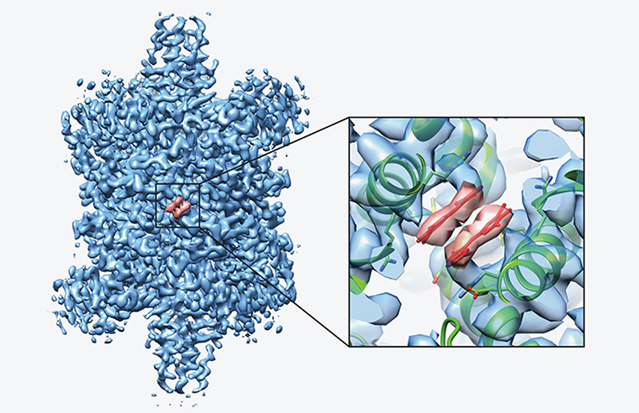
Recent advancements in structural biology, particularly cryo-electron microscopy (cryo-EM) (Figure 1), have facilitated the visualization of biomolecular structures with atomic-level resolution. Cryo-EM allows researchers to study the three-dimensional architecture of macromolecular complexes, membrane proteins, and viral particles, providing valuable insights into their functions and interactions. Structural elucidation of key biological molecules, such as the ribosome, spliceosome, and viral spike proteins, has informed drug discovery efforts and facilitated the design of therapeutics targeting various diseases, including cancer and infectious diseases [10].
Precision Medicine and Pharmacogenomics
The advent of precision medicine approaches, guided by genomic and molecular profiling, has transformed healthcare by enabling tailored treatment strategies based on individual genetic makeup and disease characteristics. Pharmacogenomics, the study of how genetic variations influence drug responses, has informed drug selection, dosing, and adverse event prediction, leading to improved therapeutic outcomes and reduced medication-related complications. Recent developments in high-throughput sequencing technologies, coupled with computational algorithms for variant interpretation, have facilitated the identification of clinically actionable genetic markers associated with drug efficacy and toxicity across diverse patient populations [11].
Metagenomics and Microbiome Research
Metagenomics, the study of genetic material recovered directly from environmental samples, has revolutionized our understanding of microbial communities and their roles in human health and disease. Advances in metagenomic sequencing technologies have enabled the comprehensive characterization of microbial diversity, functional potential and ecological interactions within complex ecosystems, such as the human gut microbiome [12]. Insights gleaned from microbiome research have implicated microbial dysbiosis in various diseases, including inflammatory bowel diseases, obesity, and neurodegenerative disorders, paving the way for microbiome-targeted therapeutics and personalized dietary interventions [13].
Conclusion
- Recent advances in molecular biology have propelled our understanding of life’s fundamental processes to unprecedented heights. From the elucidation of intricate cellular mechanisms to the development of innovative technologies, these breakthroughs have revolutionized various fields, including medicine, agriculture, and biotechnology.
- One notable achievement is the advent of CRISPR- Cas9 technology, which has revolutionized genome editing, allowing for precise modifications in a variety of organisms with unprecedented ease and efficiency. This breakthrough holds immense promise for treating genetic disorders, engineering crops for improved yields and resilience, and combating infectious diseases.
- Moreover, advancements in single-cell sequencing techniques have provided invaluable insights into cellular heterogeneity, unveiling the complexity of tissues and organs at unprecedented resolution. This
newfound understanding is reshaping our knowledge of developmental biology, disease progression, and personalized medicine.
- Furthermore, the emergence of high-throughput omics technologies, such as genomics, transcriptomics, proteomics, and metabolomics, has empowered researchers to comprehensively analyze biological systems on a global scale. These integrative approaches have led to the discovery of novel biomarkers, therapeutic targets, and biological pathways, accelerating drug discovery and personalized medicine.
- In addition, the convergence of molecular biology with artificial intelligence and machine learning has opened new frontiers in predictive modeling, drug design, and precision medicine. By harnessing the power of big data analytics, researchers can now uncover hidden patterns and correlations within complex biological datasets, facilitating the development of tailored therapeutic interventions.
- Overall, recent advances in molecular biology have not only deepened our understanding of life’s molecular intricacies but also hold tremendous promise for addressing pressing global challenges, ranging from disease eradication to sustainable agriculture. As we continue to push the boundaries of scientific exploration, these groundbreaking discoveries will undoubtedly shape the future of biomedicine and beyond, ushering in a new era of innovation and discovery.
References
-
Masters PS (2006) The molecular biology of coronaviruses. Advances in virus research 66: 193-292.
-
Lai MM, Cavanagh D (1997) The molecular biology of coronaviruses. Advances in virus research 48: 1-100.
-
Morange M (2000) A history of molecular biology. Harvard University Press, Cambridge, Massachusetts, United States, pp: 342.
-
St George-Hyslop PH, Petit A (2005) Molecular biology and genetics of Alzheimer’s disease. Comptes rendus biologies 328(2): 119-130.
-
Cleveland DW, Sullivan KF (1985) Molecular biology and genetics of tubulin. Annual Review of Biochemistry 54(1): 331-366.
-
Razin S (1985) Molecular biology and genetics of mycoplasmas (Mollicutes). Microbiology and Molecular reviews 49(4): 419.
-
Savic N, Schwank G (2016) Advances in therapeutic CRISPR/Cas9 genome editing. Translational Research 168: 15-21.
-
Zhang F, Wen Y, Guo X (2014) CRISPR/Cas9 for genome editing: progress, implications and challenges. Human molecular genetics 23(R1): R40-R46.
-
Chappell L, Russell AJ, Voet T (2018) Single-cell (multi) omics technologies. Annual review of genomics and human genetics 19: 15-41.
-
Bai XC, McMullan G, Scheres SH (2015) How cryo-EM is revolutionizing structural biology. Trends in biochemical sciences 40(1): 49-57.
-
Orlov I, Myasnikov AG, Andronov L, Natchiar SK, Khatter H, et al. (2017) The integrative role of cryo electron microscopy in molecular and cellular structural biology. Biology of the Cell 109(2): 81-93.
-
Martin R, Miquel S, Langella P, Bermudez-Humaran LG (2014) The role of metagenomics in understanding the human microbiome in health and disease. Virulence 5(3): 413-423.
-
Liu YX, Qin Y, Chen T, Lu M, Qia X, et al. (2021) A practical guide to amplicon and metagenomic analysis of microbiome data. Protein & cell 12(5): 315-330.
- Evaluation of Proximate and Mineral Compositions of Momordica charantia L. (Cucurbitaceae)
- Targeting Superbugs: Efficacy of Bacteriophage Therapy against Antibiotic-Resistant Pseudomonas Aeruginosa in Urinary Tract Infections
- Genetic Insights into Prepubertal Gynecomastia: A Comprehensive Analysis of a Rare 45,X[2]/ 46,X, + mar[28] Karyotype
- The Efficiency of Biological Treatment Plants in Some Private Hospitals in the City of Basra, Iraq
- Exploring the Combined Efficacy of Carvacrol and Friedelin against Multi-Drug Resistant Bacteria in Upper and Lower Respiratory Tract Infections
- Isolation, Identification and Comparative Analysis of Oral Microbial Communities in Smokers and Non-Smokers: A Scientific Investigation