
The Relation between Shape and Medium
This paper show direct relation between the shape adopted the species and his environmental where it development his life cycle. When the environmental require specially condition, the organism must to answer to it with a morphology adaptive and this adaptation can to be functional, morphological and reproductive too. The answers more fast and efficient like to be the morphology and this last one carry an answer physiology too, because the organ do the function. So the whole (morphology + function) playing a fundamental role for some species must to be development in environmental with multiples variation and lack of equilibrium. Here show some cases about it.
Introduction
Phylum Cnidaria have two main morphological type like polyp and medusae. Both of them are related with medium where they have developed.
Meanwhile the first one have developed on the benthos dominion, the second one developed in the open ocean like plankton community.
- The first question one can to do is why the polyp and medusae haven shapes like tube (polyp) and shape like disc (medusae)?.
- The answer to this question must to be looking for relation between forces such as hydrostatic pressure, flotation, distribution of radials forces.
Results
Hydrostatic Pressure
The continuous and constant weight of water column to do a benthos dominion to be establish, so this characteristic (homeostasis) to get a determinate animals have a simple morphological shape like a epithelium muscular sac, like sea anemone (Actiniaria), a gastrodermis skeletal calcareous sac like Scleractinia, monopodial or sympodial colonies (Hydrozoa) or specular skeletal colonies (Gorgonacea). [1].
So all these organisms must to be developed a strong adhesive disc or pedal disc for not to be broke when the movements of water is strong, especially during storm and when there are not storm, the oceanic currents are strong generally, so it can to broke the colonies or the individuals organism.
This hydrostatic pressure is too much less when different species are localized on rocks near coast, so this species only has hydrostatic pressure when there are high tides. This pressure has different answer such a:
- Polyp of Actiniaria (sea anemone).
- Polyp of Pennatulacea.
- Polyp of Hydrozoa.
- Polyp of Octocoralls.
- Polyp of Scleractinia.
Polyp of Actiniaria: This class of organisms are building like an epithelium muscular sac with a muscular system strong that let to specimen two main movement like elongation or contraction and this two movement let to polyp decrease hydrostatic pressure especially when polyp is elongated because it can do pendulum movements (Figures 1a & 1b). When polyp is in contraction there is a reduction of corporal volume because there is a contraction of muscular system so this apparent reduction of body let to polyp that weight of hydrostatic pressure do not break the corporal wall and the organism can to died [2].
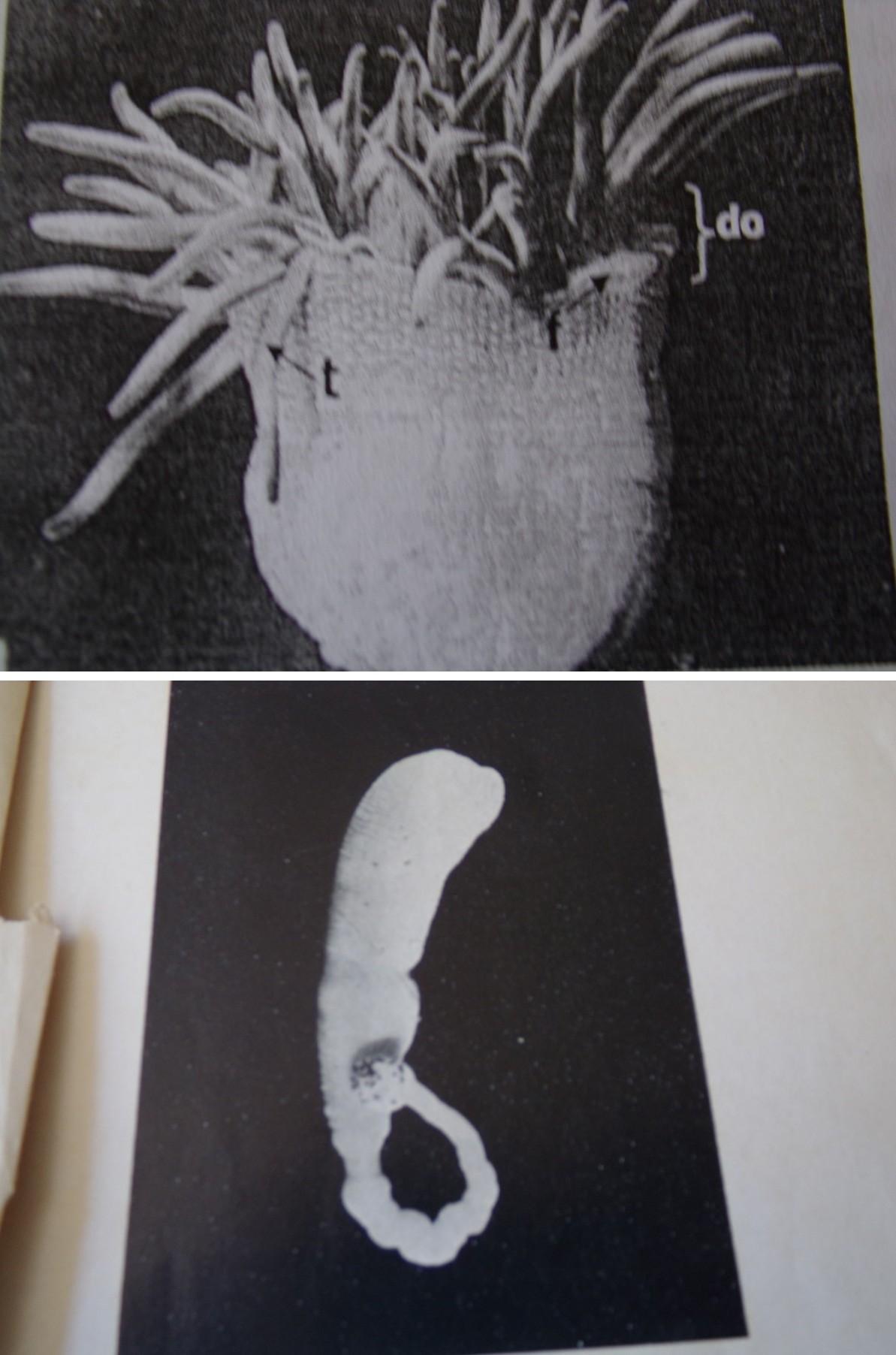
Figure 1a: Condylactis aurantica; tentacle (t), oral disc (do).
Figure 1b: Neoparacondylactis haraldoi [3].
Polyp of Pennatulacea: here the condition is similar to Actiniaria when there is an apparent reduction of body, especially for genus Renilla. It has a body with few thicknesses so hydrostatic pressure can not to break the corporal wall (Figures 2a & 2b).
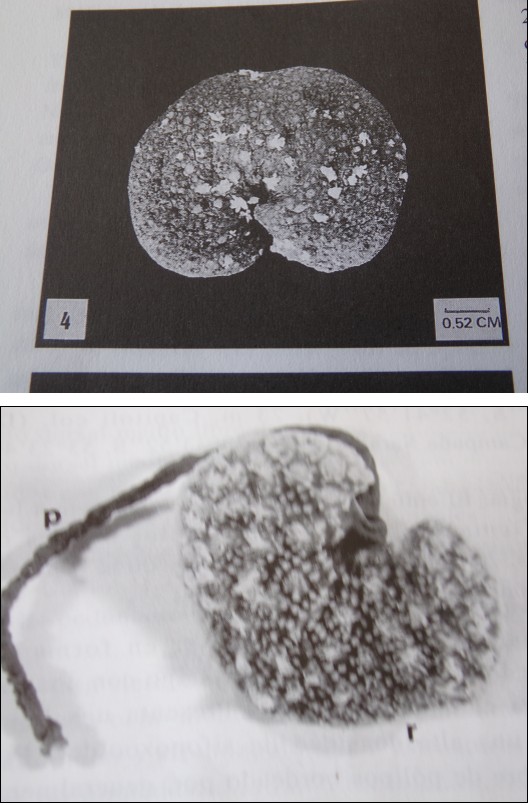
Figure 2a: Renilla muelleri [4].
Figure 2b: Renilla tentaculata; peduncle (P) [5].
Polyp of Hydrozoa: there are many example of species about like it adapted themselves to hydrostatic pressure. Here it will mention two cases: 1. species without articulation on the skeletal system and 2. Species with articulation on the skeletal system.
The first one present an elongated body and flexible too and this last condition let to polyp to do undulatory movements and this behavior let disappear the hydrostatic pressure on one focal point of polyp.
The second one present a body with annulus (= articulation zone) and it let to polyp to do movements and with this characteristic, the polyp can to move to a current water for caching food and disappear the hydrostatic pressure too (Figures 3a & 3b).
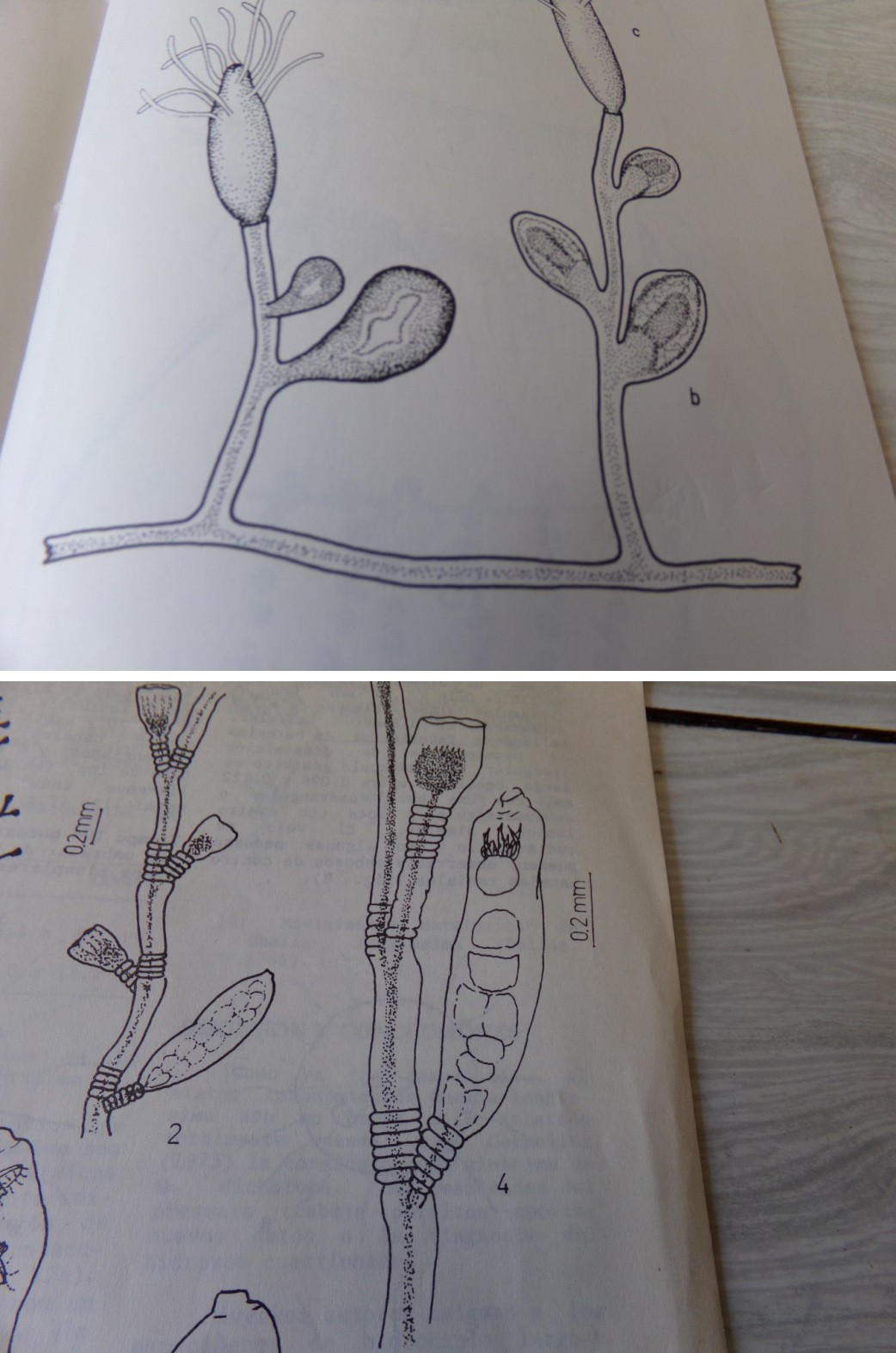
Figure 3a: Cordylophora neapolitana [6].
Figure 3b: Obelia longissima (hydrocaulus with annulus (the black lines like ring are annulus)) [7].
Polyp of Octocoralls: here the situation is similar to a hydrozoan polyp because the colony is branched.
On each branch there are sclerite and this last one give to polyp certain resistance to hydrostatic pressure, because the sclerite build a strong colony and the pressure cannot break the colony (Figure 4).
![Figure 4: _Thouarella koellikeri_ [8].](/fulltextimages/13385/fig_4.png)
Polyp of Scleractinia: we here found an example very special because the orden Scleractinia has a skeletal building with aragonite and this last build a strong skeletal resistant and it impede the pressure break the skeletal. Zamponi MO [9] explain how the aragonite is get from sea water (Figure 5).
![Figure 5: View of coral species and exsokeleton view by aragonite built [10].](/fulltextimages/13385/fig_5.png)
Flotation
On this section there are two cases must to be treated like flotation and distribution of radials forces because both of them are related to plankton community and both of them are flotation on epiplankton.
Notwithstanding here must to be treated the first one because the organisms relationship are highly specialized for living in the plankton and the organisms related to distribution of radials forces will be on the next section.
The organisms are the Orden Siphonophorae and they are polyps colonial organisms living floating because it haven two modified medusa like a gas filled blade (a) or float and when wind is constant in one direction these two blade are transformed in sailor to right or sailor to left and it can to move the colony to some of this address; these organisms are into zooplankton but to form a particular community called pleuston.
Under superficial water, the colonies are composed by polyps with different functions like polyps for catching foods (b, c), polyps for defense of colony (d, e).
On this type of organisms the hydrostatic pressure is null because the colony is living on superficial water and part of colony are living under water occupied the first centimeter of column water.
Here the hydrostatic pressure is substitute for the pressure of wind because it push the two gas filled blade for moving the colony, so the atmospheric condition play his role in this aspect (Figure 6).
![Figure 6: View of Colonial _Physalia physalia_ [1].](/fulltextimages/13385/fig_6.png)
Distribution of Radial Forces Here there are some factors play a role about distribution of forces and these are: a. diameter of disc; b. peristaltic movements of umbrella; c. number of radials canals; d. number of tentacles play a basic role. All this characters playing for holding an equilibrium and the disc (= umbrella) can to float. So the next step will be to analysis these characters: Diameter of Disc: the size of diameter has its importance because disc is small, the radials forces are not strong from centrum to peripheric, meanwhile disc is wide, these forces must to be strong and tense for holding the open umbrella.
Peristaltic Movements of Umbrella: the movements are doing for peristaltic waves from centrum to peripheric or vici versa. The centrum where is the mouth like peripheric zone where are sensitive organs like cordyli or statocysts playing a basic role for holding in equilibrium the radials forces. Number of Canals Radials: this factor is so important because it done radials forces to can distribute an equilibrium through the umbrella. To greater number of canals radials, better distribution of radials forces. Number of Tentacles: when there are numerous tentacles the umbrella has movements in equilibrium and only it done peristaltic movements when the medusa is swimming or catching food (Figure 7).
![Figure 7: General view of some species of Hydromedusae [11].](/fulltextimages/13385/fig_7.png)
Some species of medusa have a structure called velum (number 68, 75 and 78) in the picture); this structure is closing the umbrella around it. The velum doing pendulant movement and with this movement help to medusa to swing (Figure 8).
![Figure 8: General view of some species of Hydromedusae with velum (figs. 68,75,78 in image) [11].](/fulltextimages/13385/fig_8.png)
Some medusa have oral arms (like tentacles) holding from mouth and this oral arms are using for swimming doing pendulous movements and this movements are synchronized, so the movements of swimming is regular and the radials forces are regular distributed on upper superficial of umbrella (Figure 9).
![Figure 9: General view of some species of Scyphomedusae with oral arms [12].](/fulltextimages/13385/fig_9.png)
Discussion
From this analysis between medium and shape some interesting results can to get because there is a direct relation between them but the origin between shape and the medium where it must to be develop is some unknown because there is not proof for showing how it was made and the fossil register cannot show some data; so the analysis is speculative seeing the morphology and the medium where it developed.
The hydrostatic pressure, flotation and radials forces play a very important role because all this factors together are a strong force for holding in equilibrium with the medium, to species of gelatinous building like medusae, siphonophora and other like with dermic spicules building a flexible skeletal or sea anemone with a flexible muscular sac.
The equilibrium with the medium is very notable where the radials forces building a system where this forces playing a role for medusa holding his structure and form and do not collapse. This forces are distributed in all body from umbrella margin to radials canals and through it to gonads and mouth too.
This equilibrium too see in that species are floating on superficial sea and for can do it the specimens must developed like air sacs for can to float. Here is an example how the shape developed useful structure for getting beneficious from the atmospheric through the air sacs and from water with a polyps for catching foods.
It is evident the natural forces playing an important role and the species answer to this forces with morphological adaptation and adaptive behavior.
Through this study can to see the direct relation between shape and medium and how the first one show plasticity front a hard environmental.
References
-
Zamponi MO (2011) Dispersal of Cnidaria: Pleuston marine community and benthos marine community. Rev Real Acad Gal Cienc 30: 9-112.
-
Zamponi MO (2005) Study of sexual reproduction in sea anemones (actiniaria) and the poor man’s game. Rev Real Acad Gal Cienc 24: 5-28.
-
Zamponi MO (1974) Neoparacondylactis haraldoi, Gen. Et Sp. Nov. (Actiniaria, Actiniidae). Physis Secc A Buenos Aires 33(87): 543-547.
-
Zamponi MO, Perez CD (1995) Revision of the genus Renilla Lamarck, 1816 (Octocorallia, Pennatulacea), with descriptions of two new species from the Sub-Antarctic region. Misc Zool 18: 21-32.
-
Zamponi MO, Perez CD (1997) The genus Renilla Lamarck, 1816 (Anthozoa, Pennatulacea) in platform waters of the Brazilian south. Ann Museo Civico Storia Nat G Doria 91: 541-553.
-
Zamponi MO (1991) The cnidaria of the Argentine Republic: Freshwater fauna of the Argentine Republic. In: Castellano Z (Ed.), Conicet, Argentina, pp: 51.
-
Zamponi MO, Genzano GN (1990) Biological cycles of coastal celestials. IV. The validity of Obelia longissima (Pallas, 1766) (Leptomedusae: Campanulariidae). Spheniscus 8: 1-7.
-
Perez CD, Zamponi MO (2004) New records of octocorals (Cnidaria, Anthozoa) from the South Wester n Atlantic Ocean with zoogeographic consideration. Zootaxa 630(1): 1-12.
-
Zamponi MO (2024) Phylum Cnidaria (Medusae, Sea Anemone, Coral, etc): is a Phylum of low structuration. Dairy and Vet Sci J 16(4): 1-6.
-
Zamponi MO (2024) The littoral distribution of corals and their relationship of Zooxanthellae algae. Int J Zoo Animal Biol 7(4): 1-3.
-
Ramirez FC, Zamponi MO (1981) Hydromedusae. In: Boltovskoy D (Ed.), Atlas of the zooplankton of the southwestern Atlantic and methods of working with marine zooplankton, INIDEP, Argentina, pp: 442-469.
-
Zamponi MO (1996) Hydromedusae and Scyphomedusae. In: Gasca R, Suarez E, et al. (Eds.), Introduction to the Study of Marine Zooplankton, ECOSUR, pp: 37-70.
- California Red-Legged Frog and Non-Listed Amphibians Response to Non-Native Fish Removal
- Industrial Standardization of the Bio-OS: Algorithmic Codification of Resilience Engineering Guidelines and Version V8 Architecture
- Climate Variability and the Sustainability of Snail Farming in Nigeria: Past Trends, Present Challenges and Potential Outlook
- The Evaluation of the Surveillance System of Anthrax in Gilgit-Baltistan, Pakistan, 2018
- Natural Decline to Extinction of A New Zealand Rabbit Population
- Mitochondrial Bio-Logistics: Steering Co-Enzyme Q10 and Lycopene Synergies within the Science 4.0 Bio-OS Framework